

Stress is supposed to be helpful. It is your built-in alarm system. The problem is that modern life treats that alarm system like a subscription service: always on, always buzzing, and somehow your brain is expected to “just relax” while your calendar looks like a game of Tetris.
Your body’s stress response is not just a feeling, it is a full-body chemical event. Hormones shift, blood sugar changes, inflammation signals adjust, and your nervous system flips into high-alert mode. In short bursts, that can be useful. In long seasons, it can feel like your battery never quite charges to 100 percent.
Hydrogen-rich water has become part of the stress and resilience conversation because molecular hydrogen (H2) is studied for its potential role in oxidative balance and inflammation-related signaling pathways. Since oxidative stress can rise during chronic stress and poor sleep, some people use hydrogen water as a simple add-on to support recovery and resilience.
How The Body’s Stress Response Works
The stress response is your body preparing to handle a challenge. Historically, that challenge might have been physical danger. Now it is often social, mental, or emotional, but your biology responds in similar ways.
The Nervous System Switch: Go Mode And Restore Mode
Your autonomic nervous system has two broad modes:
- Sympathetic: the “go” mode associated with alertness and action.
- Parasympathetic: the “restore” mode associated with digestion, repair, and calm.
Healthy resilience means you can move between these modes smoothly. Chronic stress can trap you in “go mode,” where calm feels out of reach even when nothing urgent is happening.
Hormones: Cortisol And Friends
Cortisol is a major stress hormone. In the right context, it helps mobilize energy and keep you focused. But chronic cortisol elevation can affect sleep, appetite, cravings, and blood sugar patterns. It can also influence inflammation signaling over time.
Blood Sugar And Stress Snacking
Stress can raise blood sugar to prepare you for action. If you are not actually sprinting away from a tiger (or at least walking briskly), that extra energy can contribute to cravings and energy swings. This is part of why stress often leads to snacks that are “quick energy” rather than “nutrient-dense choices.”
Where Oxidative Stress Fits Into Chronic Stress
Oxidative stress is an imbalance between reactive molecules and the body’s defenses. Some reactive activity is normal, but chronic overload can strain recovery systems.
Stress, Poor Sleep, And Oxidative Load
Chronic psychological stress often disrupts sleep, and poor sleep can increase oxidative stress. Meanwhile, stress itself can influence inflammation signaling and metabolic strain. It can become a loop: stress harms sleep, poor sleep increases oxidative load, and higher oxidative load makes you feel more reactive and less resilient.
Why This Matters For How You Feel
When oxidative load is high, mitochondria (your cellular energy producers) can be strained. This can contribute to fatigue and that “everything feels harder than it should” experience. It is not just in your head, it is in your cells trying to do their jobs under pressure.
What Hydrogen Water Is And Why It Comes Up In Stress Support
Hydrogen water is drinking water with extra dissolved molecular hydrogen gas (H2). H2 is studied for its potential role in supporting oxidative balance and inflammation-related signaling. Because oxidative stress and inflammation are connected to recovery, some people include hydrogen water as a simple tool in a resilience-focused routine.
The “Selective Antioxidant” Idea
Hydrogen is often described as a selective antioxidant. In plain terms, it may help calm certain highly reactive species while leaving useful reactive signaling intact. That matters because your body needs signaling to adapt, heal, and regulate. The goal is balance, not shutdown.
Hydration Is Already A Stress Tool
Hydration supports circulation, digestion, and energy stability. Mild dehydration can increase perceived stress and fatigue. If hydrogen water helps you stay hydrated more consistently, you may feel more steady even before you consider the hydrogen component.
How To Use Hydrogen Water In A Stress-Resilience Routine
If you want to try hydrogen water for stress support, keep the routine simple. You do not need a perfect protocol, you need a repeatable one.
Morning Anchor: Start Calm Before The Day Starts Loud
Drinking hydrogen water in the morning can be a hydration reset after sleep. Many people like doing it before caffeine. It feels like a small act of self-respect, which is surprisingly powerful.
Midday Anchor: Interrupt The Stress Spiral
Midday is when stress and dehydration often collide. A hydrogen water break can be a reset cue: step away, drink, breathe, and return to your tasks with a slightly calmer baseline.
Workout Anchor: Stress Relief In Motion
Movement is one of the best stress tools, especially walking and resistance training with recovery days. Hydrogen water around workouts can support hydration and recovery, which helps you stay consistent with exercise, one of the most proven stress resilience habits.
Drink It Fresh
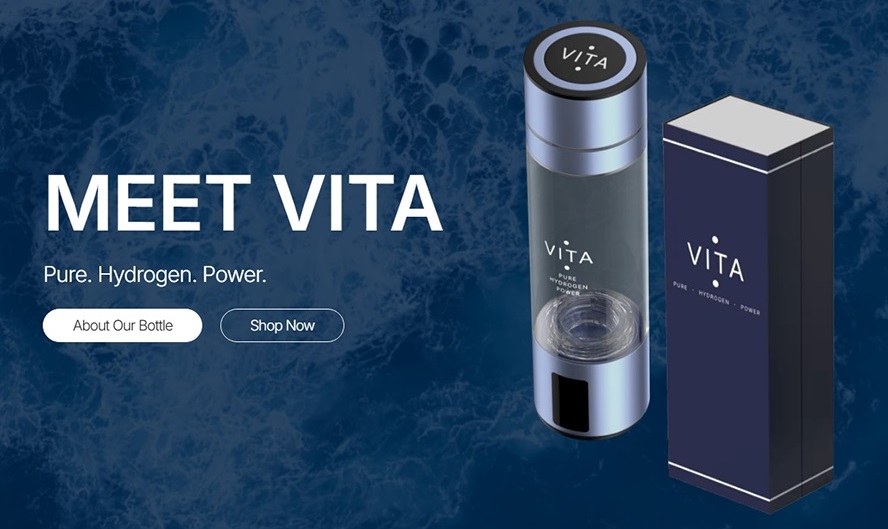
Hydrogen dissipates over time, especially after opening a container. If you make hydrogen water at home, drink it soon after production to preserve more dissolved H2.
Choosing A Quality Hydrogen Water Option
If you are going to build a habit, make it worth your time. Quality matters because hydrogen is a gas and it is easy to lose or deliver inconsistently.
Look For Measurable Hydrogen Concentration
Hydrogen concentration is commonly listed in ppb or mg/L. Clear numbers are more informative than vague claims. ORP can be a supporting detail, but it is not a direct measure of dissolved H2.
Key Takeaways
- The stress response is a normal survival system that becomes draining when it stays activated too long.
- Chronic stress can increase oxidative load and disrupt sleep, creating a feedback loop.
- Hydrogen-rich water supports hydration and provides dissolved H2, studied for oxidative balance and inflammation-related signaling support.
- Simple anchor times include morning hydration, midday resets, and workout recovery.
- Hydrogen water works best alongside sleep protection, stable meals, and daily movement.
Frequently Asked Questions
When Is The Best Time To Drink Hydrogen Water For Stress Support?
Common times include morning hydration before caffeine, midday resets, and around workouts. The best time is the one you can do consistently and that fits your schedule.
How Does Hydration Affect Stress?
Mild dehydration can increase perceived fatigue and make stress feel worse. Consistent hydration supports circulation, energy stability, and overall wellbeing.
What Should I Look For In A Hydrogen Water Product?
Look for clear dissolved hydrogen concentration numbers (ppb or mg/L), a focus on purity and materials, and a design that supports drinking it fresh after production.