


Good circulation is one of those things you only notice when it is not great. Cold hands, heavy legs, slow workout recovery, brain fog on long days, those can all make you wonder if your body’s “delivery system” is running efficiently. Circulation is how oxygen, nutrients, and hormones get where they need to go. It is also how waste products get picked up and taken out.
When people think about circulation, they often jump straight to cardio exercise and blood pressure. Those matter, but circulation is also about blood vessel function, inflammation balance, hydration status, and how well your body handles oxidative stress over time.
Molecular hydrogen (H2) has become part of the circulation conversation because it is studied for its potential role in oxidative balance and inflammation-related signaling pathways, both of which can influence vascular health. Hydrogen-rich water, the most common way people use H2, is also a hydration habit, and hydration is a big deal for circulation all by itself.
What Healthy Circulation Actually Means
Circulation is the movement of blood through your arteries, veins, and tiny capillaries. Your heart is the pump, but your blood vessels are the pipes, and the quality of the pipes matters.
Blood Vessel Flexibility Matters
Your arteries and smaller vessels need to expand and contract based on demand. When you exercise, vessels should open to deliver more oxygen. When you rest, they can relax. The inner lining of blood vessels, called the endothelium, plays a key role in this flexibility.
Circulation Affects How You Feel Day To Day
Healthy blood flow supports:
- Energy and stamina
- Exercise performance and recovery
- Temperature regulation
- Nutrient delivery to tissues
- Removal of metabolic waste
When circulation is supported, you often feel more resilient. When it is strained, the body can feel sluggish.
Common Factors That Influence Circulation
Circulation is affected by lifestyle, environment, and health status. Here are the big levers that often make the most difference.
Movement And Muscle Contraction
Your muscles help pump blood back toward the heart. Walking, strength training, and regular movement throughout the day support circulation. If you sit for long stretches, circulation slows, and your body notices.
Hydration And Blood Volume
Hydration supports blood volume and flow. Even mild dehydration can affect how hard your heart has to work during activity. If you want better circulation, consistent hydration is a simple, powerful move.
Sleep And Recovery
Sleep is when many repair processes happen, including regulation of inflammation signaling. Poor sleep can make the body more reactive and can affect cardiovascular markers over time.
Stress And Nervous System Tone
Chronic stress can increase sympathetic nervous system activation (the “go” mode), which can influence blood pressure and vascular tone. Stress management is not just mental health, it is vascular health.
Nutrition And Inflammation Balance
Whole foods, fiber, healthy fats, and micronutrients support vascular function. Ultra-processed foods and excess added sugars can increase inflammatory load in many people. Your blood vessels notice what you eat.
Where Oxidative Stress Fits Into Vascular Health
Oxidative stress is an imbalance between reactive molecules and the body’s defenses. Some reactive activity is normal, but chronic overload can strain tissues and influence inflammation signaling. Blood vessels are constantly exposed to circulating factors, so oxidative stress is a recurring topic in vascular wellness discussions.
The Endothelium Is Sensitive
The endothelium helps regulate vessel relaxation and blood flow. When oxidative load is high, endothelial function can be challenged, which can influence how flexible vessels feel over time. Supporting oxidative balance and inflammation regulation is one reason lifestyle habits, sleep, nutrition, and recovery matter for circulation.
What Molecular Hydrogen Is And Why It Is Discussed For Circulation
Molecular hydrogen is H2, a small neutral gas. People typically use it through hydrogen-rich water, and some use hydrogen inhalation in more specialized contexts. Hydrogen is studied for potential support of oxidative balance and signaling pathways that overlap with inflammation and vascular wellness.
The “Selective Antioxidant” Idea
Hydrogen is often described as a selective antioxidant. In everyday terms, it may help reduce certain highly reactive species while leaving normal signaling intact. That matters because vascular function relies on signaling and adaptation. The goal is balance, not suppression.
Hydrogen Water As A Hydration Upgrade
Even before you consider H2, hydrogen water supports hydration, and hydration supports circulation. If hydrogen water helps you drink more consistently, that alone can benefit blood flow and energy.
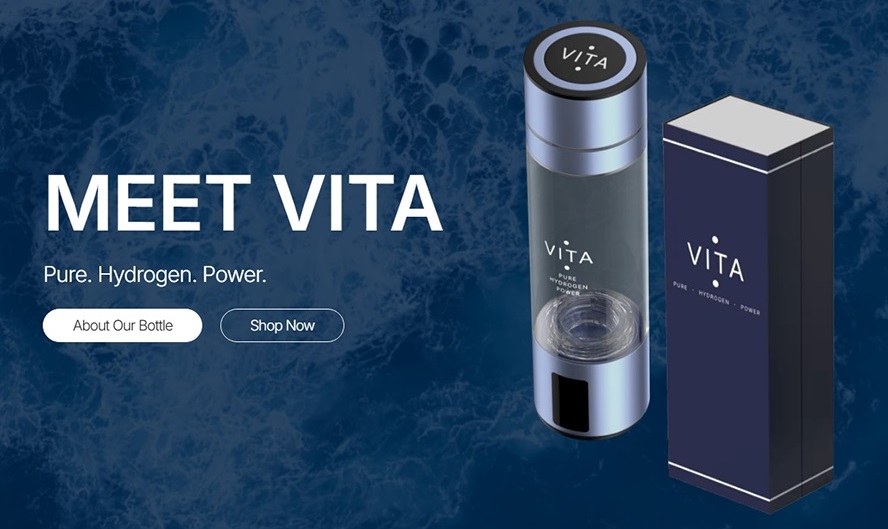
A Practical Routine To Support Circulation With Hydrogen Water
If you want to try hydrogen water for circulation support, keep the routine simple and pair it with proven circulation habits.
Morning Hydration Anchor
Drink a serving of water soon after waking. If you use hydrogen water, morning is an easy anchor point. It supports blood volume and sets a hydration baseline for the day.
Movement + Hydration Pairing
Take a short walk and drink water afterward. This is a simple rhythm that supports blood flow and nervous system downshifting. If the water is hydrogen-rich, you are stacking hydration with a potential oxidative support layer.
Workout Recovery Timing
Hydrogen water around workouts can support hydration and recovery. Exercise is one of the best circulation tools available, and recovery is what keeps exercise sustainable.
Drink It Fresh
Hydrogen dissipates over time, especially after opening a container. If you make hydrogen water at home, drink it soon after production to preserve more dissolved H2.
Quality Matters: Choosing A Hydrogen Water Option
Not all hydrogen water products deliver the same results. If you want hydrogen water as a consistent habit, look for transparency and thoughtful design.
Look For Measurable Hydrogen Concentration
Hydrogen concentration is often listed in ppb or mg/L. Clear numbers are more informative than vague marketing terms. ORP can be a supporting detail, but it is not a direct measurement of dissolved H2.
Key Takeaways
- Healthy circulation supports energy, recovery, and overall cardiovascular wellness.
- Movement, hydration, sleep, stress management, and nutrition are major drivers of blood flow and vessel function.
- Oxidative stress can influence vascular signaling, including endothelial function.
- Molecular hydrogen (H2) is studied for potential support of oxidative balance and inflammation-related signaling, and hydrogen water adds H2 to a hydration habit.
- Quality matters, look for measurable hydrogen concentration and a focus on purity.
Frequently Asked Questions
What Are The Best Habits For Healthy Circulation?
Regular movement, hydration, quality sleep, stress management, and a nutrient-rich diet are among the most effective habits for supporting circulation.
When Should I Drink Hydrogen Water For Circulation Support?
Many people use hydrogen water in the morning, after walks, or around workouts. Consistency and drinking it fresh after production are often more important than perfect timing.
How Do I Know If My Hydrogen Water Product Is High Quality?
Look for transparent dissolved hydrogen concentration numbers (ppb or mg/L), attention to purity and materials, and a format that helps you drink it soon after production.