


There is a special pride that comes with being sore. You walk down the stairs like a newborn giraffe and think, “Yes, I did that.” Then the second day hits, and you start negotiating with gravity.
Muscle soreness is not always a bad sign, but it is a signal that your body is doing repair work. Recovery is where training benefits show up, and it is also where many people get stuck. If recovery is slow, workouts feel harder, motivation fades, and you start skipping sessions. If recovery is solid, training becomes sustainable and your body feels more resilient.
Molecular hydrogen (H2) has become a popular topic in recovery circles because it is studied for its potential role in oxidative balance and inflammation-related signaling pathways. Hydrogen-rich water is the most common way people use H2, and it is appealing because it fits into hydration, one of the core recovery basics. Some people also use hydrogen inhalation in more specialized settings, but for daily routines, hydrogen water is usually the entry point.
What Happens In Your Muscles After A Workout
Training creates stress. Your body responds by adapting. That is the whole deal. The details are a little more complex, but the story is simple: challenge plus recovery equals progress.
Micro-Damage And Repair
Resistance training and intense exercise can create small amounts of muscle fiber disruption. Your body repairs that tissue, and over time it can rebuild it stronger. This is part of why rest days are not “skipping,” they are the growth phase.
Inflammation: Useful, Then Needs To Settle
Inflammation after exercise is part of the healing signal. It brings immune cells and repair processes to the area. The goal is not to eliminate all inflammation, it is to support a balanced response that resolves appropriately.
Oxidative Stress Rises With Intensity
Exercise increases reactive molecule production. That is normal. In the right amount, it signals adaptation. In excessive amounts, especially when recovery is poor, oxidative stress can contribute to prolonged soreness, fatigue, and slower bounce-back.
Why Recovery Often Breaks Down
Most people do not need a better workout plan, they need a better recovery plan. Common recovery bottlenecks include:
- Sleep debt: less deep sleep means less repair.
- Not enough protein: tissue repair needs building blocks.
- Low hydration: circulation and nutrient delivery suffer.
- Too much intensity: no easy days, no deloads, no mercy.
- High stress: recovery systems struggle when the nervous system stays in “go mode.”
Fixing one of these can make a noticeable difference. Fixing two is like upgrading from dial-up internet to modern Wi-Fi.
What Molecular Hydrogen Is And Why It Is Studied For Recovery
Molecular hydrogen is H2, a small neutral gas. In wellness routines, it is commonly consumed through hydrogen-rich water and, in more specialized contexts, through hydrogen inhalation.
Hydrogen is studied for potential support of oxidative balance and inflammation-related signaling pathways. Because oxidative stress increases with intense exercise, and because inflammation signaling needs to resolve properly for recovery, hydrogen has become a point of interest for athletes and everyday exercisers alike.
The “Selective Antioxidant” Concept
Hydrogen is often described as a selective antioxidant. In everyday terms, it may help reduce certain highly reactive species while leaving beneficial reactive signaling intact. That is important because you do not want to blunt every signal your body uses to adapt to training. You want regulation, not shutdown.
Hydrogen Water As A Low-Friction Recovery Habit
Hydration is already a cornerstone of recovery. Hydrogen water stacks a potential oxidative support layer on top of a habit you need anyway. That simplicity is why many people stick with it.
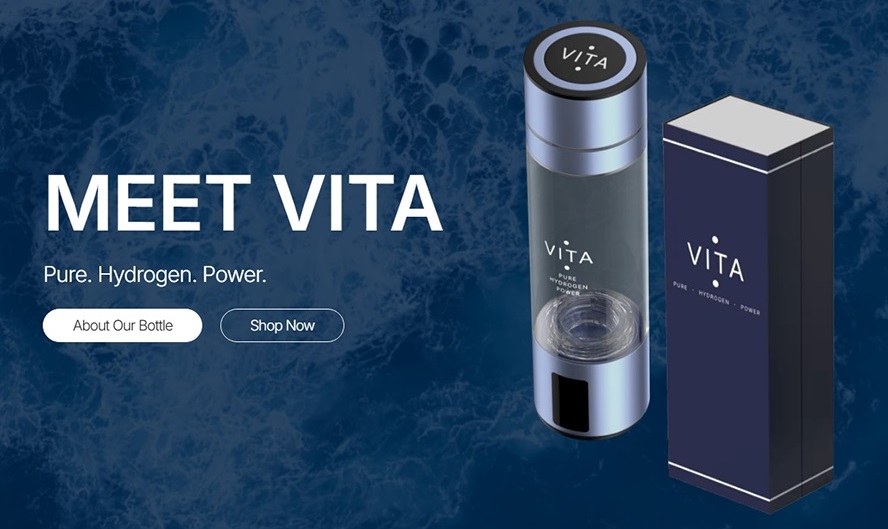
How To Use Hydrogen Water For Muscle Recovery
Hydrogen water routines do not have to be complicated. Most people do best with simple anchor points.
Pre-Workout Hydration
Drinking hydrogen water before training can support hydration and set you up for better performance. Better performance often means better training quality, which can improve results without needing to increase intensity.
Post-Workout Recovery Window
After training, your body shifts into repair mode. Many people drink hydrogen water post-workout alongside protein and carbs. The goal is not a perfect “window,” it is consistent recovery support.
Rest Days Still Count
Hydrogen water can be used on rest days too, especially if you are trying to improve recovery consistency. Sometimes the biggest recovery gains come from the boring days between workouts.
Drink It Fresh
Hydrogen dissipates from water over time, especially after opening a container. If you make hydrogen water at home, drink it soon after production to preserve more dissolved H2.
Choosing A Quality Hydrogen Water Option
If you are going to drink hydrogen water consistently, choose something that delivers reliable hydrogen levels and supports purity.
Look For Measurable Hydrogen Concentration
Hydrogen concentration is often listed in ppb or mg/L. Clear numbers are more informative than vague claims. ORP can be a supporting detail, but it is not a direct measure of dissolved hydrogen.
Key Takeaways
- Muscle recovery involves repair, balanced inflammation signaling, and managing oxidative load from exercise.
- Sleep, protein, hydration, and smart training programming are the biggest recovery levers.
- Molecular hydrogen (H2) is studied for potential support of oxidative balance and inflammation-related signaling.
- Hydrogen-rich water can be a low-friction recovery habit because it supports hydration and may support oxidative balance.
- Drink hydrogen water fresh and choose quality options with measurable concentration.
Frequently Asked Questions
When Is The Best Time To Drink Hydrogen Water For Recovery?
Common timing includes before workouts, after workouts, and on rest days as part of consistent hydration. Drinking it soon after production is a common approach for preserving dissolved hydrogen.
Does Taking Antioxidants After Workouts Reduce Adaptation?
High-dose antioxidant supplementation is sometimes discussed in relation to exercise adaptation. Hydrogen is often described as selective and is used by many people as a support habit rather than a high-dose supplement strategy. If you have questions about supplements, consult a qualified professional.
How Do I Choose A Quality Hydrogen Water Product?
Look for clear dissolved hydrogen concentration numbers (ppb or mg/L), attention to purity and food-safe materials, and a routine that helps you drink it fresh and consistently.