Have you ever noticed how a sunny morning can make you feel like a functioning adult, while a dim, gray day makes everything feel like it requires extra effort? That is not just “vibes.” Light shapes the way your body runs its daily schedule, including hormone timing, mood signals, and energy patterns.
We often think of health in terms of what we eat and how we move, but light is a steady input that affects those choices too. When light exposure is consistent and well-timed, people often feel more alert during the day and sleepier at night. When it is chaotic (indoor days, bright nights, nonstop screens), mood and energy can wobble. Understanding the basics makes it easier to build a light routine that supports how you want to feel.
Light Is Information Your Brain Uses To Run The Day
Your brain constantly checks the environment for clues. Light is one of the biggest clues. It helps your body decide what time it is, which affects hormone release, temperature rhythms, and the push-and-pull between alertness and sleepiness.
Circadian Rhythm: The Body’s Internal Scheduler
Circadian rhythm is your roughly 24-hour internal timing system. It influences when you feel awake, when you feel hungry, and when your body shifts into rest and repair mode. Bright light earlier in the day helps anchor this rhythm, supporting a clearer “daytime” signal.
Your Eyes Are The Main Light Sensors For Timing
Your eyes do more than see. They also sense brightness and wavelength patterns and relay that information to brain regions that regulate daily timing. This is why morning light exposure can change how you feel for the rest of the day, even if your coffee has not kicked in yet.
Wavelength Matters, Not Just Brightness
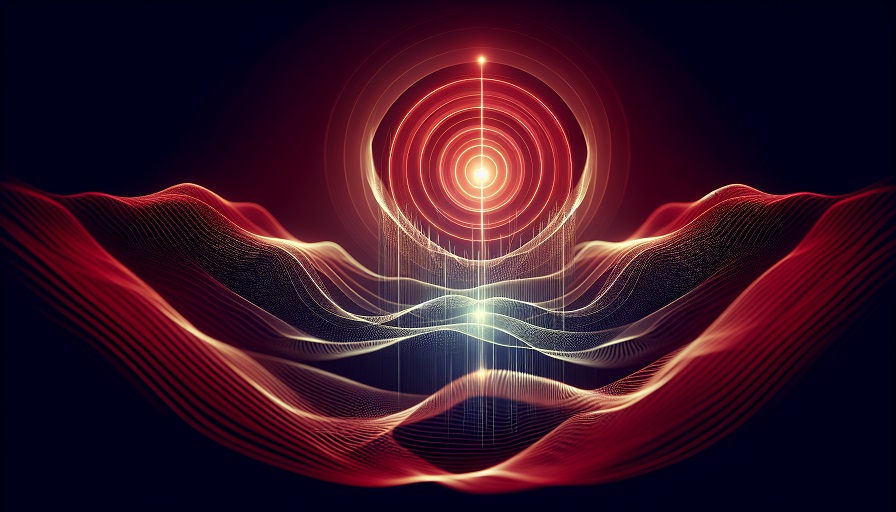
Different wavelengths can have different effects. Blue-rich light tends to feel stimulating, which is useful during the day but can be disruptive at night. Warmer light (more amber and red) is often less stimulating in the evening. Red and near-infrared light are also used in targeted wellness routines called photobiomodulation, typically for goals related to skin appearance and recovery.
Hormones And Light: Timing Is The Big Story
Hormones are like text messages your body sends to coordinate systems. Light influences when those messages are sent and how clearly they line up with your schedule. The most familiar examples involve sleep and wake signals, but the ripple effects can touch appetite, stress response, and daily motivation.
Cortisol: Not The Villain, Just Misunderstood
Cortisol gets a bad reputation, but it is a normal hormone that helps you wake up and respond to stress. Ideally, cortisol follows a daily pattern where it supports morning alertness and gradually declines toward evening. Bright morning light helps reinforce that pattern, which can make you feel more awake during the day and calmer at night.
Melatonin: The Nighttime Cue
Melatonin is commonly associated with sleepiness. Your body typically increases melatonin as evening progresses, especially when the environment gets darker. Bright light late at night can suppress this signal and delay the feeling of sleepiness. That is why evening light habits matter so much for sleep quality.
Appetite And Cravings Often Follow Sleep And Light
When sleep is short or inconsistent, appetite signals can get noisy. People often notice more cravings and less patience for “healthy choices” after poor sleep. Because light influences sleep timing and quality, it indirectly influences appetite patterns and day-to-day food decisions.
Mood And Energy: Why Light Can Change Your Whole Day
Mood and energy are not purely psychological. They are biological states influenced by sleep quality, daily rhythm stability, and the way your nervous system processes stress. Light helps set the foundation for all three.
Morning Light Supports Daytime Alertness
When your brain receives bright light early, it supports a clearer wake signal. Many people notice they feel more “switched on” during the day when they get outdoor time in the morning. This can translate into better focus, better mood, and fewer afternoon crashes.
Dim Evenings Support Emotional Stability
When evenings are bright and stimulating, the body can stay in a semi-alert state longer than you want. That can increase restlessness and make it harder to relax, especially if stress is already high. Softer, warmer evening lighting supports a smoother transition into rest, which can improve mood the next day.
Season And Environment Play A Role
Light availability changes with seasons and geography. People often feel different during darker months, especially if outdoor time drops. A strong daytime light routine, even if it is brief, can help keep daily rhythms steadier when natural light is limited.
How To Build Better Light Habits
You do not need to wear orange glasses all day or live by candlelight. The goal is a simple pattern: brighter earlier, softer later. That pattern is surprisingly effective.
Get Outdoor Light Early When Possible
A short morning walk or even a few minutes outside can make a difference. If mornings are busy, pair outdoor light with something you already do, like taking a call, walking the dog, or standing outside while your coffee cools down.
Make The Middle Of The Day Brighter
If your workday is mostly indoors, take one brief daylight break. It helps reduce the “dim indoor day” problem and supports a clearer circadian signal.
Dim And Warm The Evening Environment
Two hours before bed, reduce bright overhead lighting and shift to warmer lamps. Lower screen brightness and avoid blasting yourself with bright light right before sleep. Your brain should not be in “stadium lighting” mode at midnight.
Where Red Light Therapy Can Fit In A Mood And Energy Routine
Red light therapy is not typically used as a replacement for morning daylight, which remains one of the strongest signals for circadian timing. Still, many people use red and near-infrared light sessions as part of wellness routines that support recovery, skin appearance, and relaxation, which can indirectly influence how energized they feel.
Why Some People Find It Calming
Red light sessions are often described as comfortable and relaxing. The light is usually warm-toned, and the routine encourages a few minutes of stillness. That calm pause can be helpful for stress management, which supports sleep quality and next-day energy.
How People Use It Practically
Many people use short sessions after workouts, as part of skincare routines, or during evening wind-down. The best approach is usually the simplest: keep sessions consistent, follow device guidance, and pair the routine with other habits that support recovery and sleep.