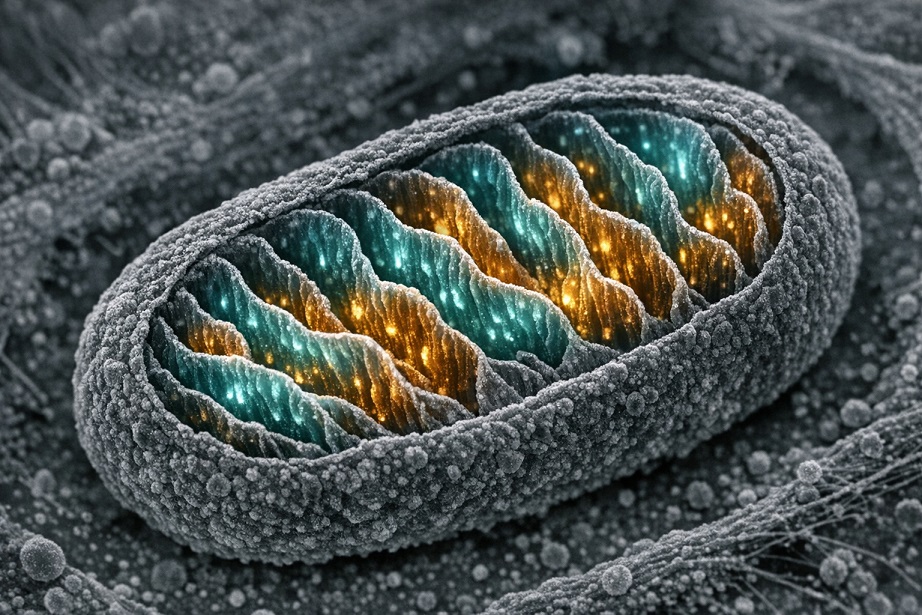
Somewhere in the space between the third coffee of the day and the energy drink at two in the afternoon, most people have had the thought: there has to be a better way to do this. The stimulant cycle is familiar. The hit of alertness, the plateau, the growing need for another dose just to maintain baseline function, the disrupted sleep that makes the next morning require even more caffeine, and the energy level that seems to be borrowing further and further from a future that never quite arrives feeling rested.
There is a better way, and it doesn’t involve willpower alone or accepting a life of perpetual tiredness as the price of going stimulant-free. It involves understanding where genuine energy comes from, which is cellular ATP production driven by mitochondria, and then systematically providing the inputs that support that production. This is a biology-first approach to energy, and it works through mechanisms that are additive and compounding rather than borrowed and depleting.
Exercise: The Most Powerful Energy Investment You Can Make
The most common objection to exercise as an energy strategy is the most understandable one: when you’re already tired, the prospect of spending more energy on a workout feels counterproductive. This objection makes sense if you think of energy as a fixed pool being drawn down. It makes less sense once you understand that regular exercise actually increases the pool itself by building more mitochondrial capacity in your cells.
Aerobic exercise, whether walking, cycling, running, swimming, or any sustained moderate to vigorous movement, is the most potent known stimulus for mitochondrial biogenesis, the process of growing new mitochondria. More mitochondria in your muscle cells means a greater capacity to produce ATP. That increased capacity doesn’t stay confined to exercise performance. It shows up as higher baseline energy throughout the day, better focus, more resilience against the afternoon energy dip, and improved recovery from both physical and mental demands.
Studies in sedentary individuals who begin consistent aerobic training programs have found measurable improvements in mitochondrial density and energy markers within weeks, even before changes in body composition or fitness benchmarks become visible. The energy return on this investment comes earlier and more reliably than most people expect, which is one of the reasons that those who push through the initial adjustment period rarely want to go back.
The Role of Resistance Training
Resistance training complements aerobic exercise in the cellular energy picture by supporting muscle mass, which is the primary reservoir of mitochondria in the body. More muscle tissue means more mitochondria overall, and maintaining or building muscle through strength training expands the total cellular energy production infrastructure in a way that improves metabolic health and sustains energy capacity across decades. Combining aerobic and resistance training provides the most complete mitochondrial stimulus and the most comprehensive natural energy support available through exercise alone.
Sleep: Non-Negotiable Cellular Restoration
Every hour of sleep deprivation costs your mitochondria something. The overnight period is when mitochondrial repair occurs, when antioxidant enzyme systems are regenerated, when the quality-control process of mitophagy removes damaged organelles, and when the cellular environment is refreshed for another day of energy production. Cutting this window short doesn’t just leave you feeling tired the next morning. It leaves your mitochondria with less repair time than they need, allowing cumulative damage to build faster than it is cleared.
Research has documented increased oxidative stress markers following even moderate sleep restriction, markers that directly reflect mitochondrial stress. Over time, chronic inadequate sleep degrades the quality of the mitochondrial population and reduces cellular energy output in a way that no amount of caffeine can compensate for, because caffeine doesn’t address the underlying deficit. It only postpones the signal that the deficit exists.
Supporting sleep quality rather than just duration matters here as well. The deeper sleep stages, particularly slow-wave sleep, are associated with the most intensive cellular repair activity. Practices that protect sleep architecture, including consistent sleep and wake times, limiting blue light exposure in the evening, keeping the sleep environment cool and dark, and avoiding alcohol near bedtime, which fragments sleep architecture despite its initial sedating effect, all support the cellular restoration that overnight sleep is supposed to provide.

Nutritional Foundations for Cellular Energy
Cellular energy production is enzyme-dependent, and enzymes require cofactors to function. A nutrient-dense dietary pattern supplies the broad spectrum of vitamins, minerals, and plant compounds that the mitochondrial energy system depends on at its most fundamental biochemical level. This is more specific than the general advice to “eat healthy.” Several nutrients have documented, non-substitutable roles in the ATP production pathway.
Magnesium is required to form MgATP, the biologically active form of ATP that cellular enzymes actually recognize and use. It is also a cofactor for multiple enzymes in glycolysis and the citric acid cycle. A significant proportion of adults consume less magnesium than they need, often without knowing it, because standard blood tests don’t reliably detect cellular deficiency. Dark leafy greens, pumpkin seeds, legumes, and whole grains are meaningful dietary sources, and well-absorbed supplemental forms, particularly magnesium malate and magnesium glycinate, can address gaps that diet alone may not fill.
B vitamins, including thiamine, riboflavin, niacin, pantothenic acid, and B6, serve as cofactors across multiple enzymatic steps in both glycolysis and the citric acid cycle. Their broad involvement in the energy pathway means deficiency in any one of them can reduce ATP output in measurable ways. A diet with sufficient variety of whole foods generally provides adequate B vitamins, though certain populations, including older adults, those with limited dietary variety, and vegetarians and vegans who may be low in B12, may benefit from targeted supplementation.
Targeted Mitochondrial Nutrients
Beyond the broad nutritional foundations, several specific compounds support cellular energy at the level of mitochondrial function itself. CoQ10 is essential to the electron transport chain, where it shuttles electrons between protein complexes to sustain ATP synthesis. It also serves as a mitochondria-specific antioxidant in its reduced ubiquinol form. Because CoQ10 levels decline significantly with age and are further reduced by certain medications, maintaining adequate CoQ10 often requires supplementation with a bioavailable form, particularly after the mid-thirties.
Acetyl-L-Carnitine transports long-chain fatty acids across the inner mitochondrial membrane, enabling fat-based fuel to enter the mitochondria and be converted to ATP. This transport function is essential for metabolic flexibility, the body’s ability to efficiently use both carbohydrate and fat as energy sources depending on availability and demand. ALCAR also supports mitochondrial function in neurons by crossing the blood-brain barrier, contributing to both cognitive energy and the synthesis of acetylcholine, a neurotransmitter central to focus and memory.
PQQ, pyrroloquinoline quinone, stimulates mitochondrial biogenesis through genetic regulatory pathways, helping cells maintain and grow their mitochondrial population over time. Its exceptional antioxidant capacity, performing thousands of protective cycles before degrading, makes it one of the more durable defenses available against the oxidative stress that degrades mitochondrial function. R-Lipoic Acid supports citric acid cycle enzyme function and provides universal antioxidant protection across all compartments of the mitochondrial environment, including recycling spent forms of CoQ10, vitamin C, vitamin E, and glutathione.
Stress Management as an Energy Strategy
Chronic psychological stress is one of the most commonly underestimated drivers of cellular energy problems. The stress response is metabolically expensive, consuming ATP at an elevated rate while simultaneously generating oxidative stress that damages mitochondria. Cortisol, the primary stress hormone, can directly impair mitochondrial function at sustained high levels and depletes intracellular magnesium, compounding the energy-related consequences.
Managing stress is not a soft wellness suggestion in this context. It is a direct cellular energy strategy. Any practice that reliably activates the parasympathetic nervous system and reduces the body’s sustained stress-response burden, whether that is meditation, time in nature, consistent social connection, or simply building adequate rest and recreation into a weekly schedule, reduces the ongoing drain on cellular energy resources and gives mitochondrial repair processes more room to operate.
Hydration: The Overlooked Factor
Even mild dehydration impairs cellular function in ways that affect energy production. Enzymatic reactions, including those in the ATP synthesis pathway, require an aqueous medium with appropriate electrolyte balance. Dehydration reduces blood volume, impairs nutrient delivery to tissues, and creates a physiological stress response that compounds fatigue. Consistent hydration, particularly around exercise when fluid and electrolyte losses are highest, is a foundational support for cellular energy that is easy to overlook because it’s so basic and so constant.
The Sum of Consistent Choices
Natural cellular energy support is not a single intervention or a supplement stack taken in isolation. It is the aggregate effect of consistent choices across exercise, sleep, nutrition, stress, and environmental inputs, each contributing to the mitochondrial health that underlies everything else. None of these individually produces a dramatic overnight transformation. All of them, practiced consistently over weeks and months, produce the kind of stable, reliable, non-borrowed vitality that most people have been chasing through stimulants without finding. The energy was always available through the biology. It just required working with the system rather than overriding it.