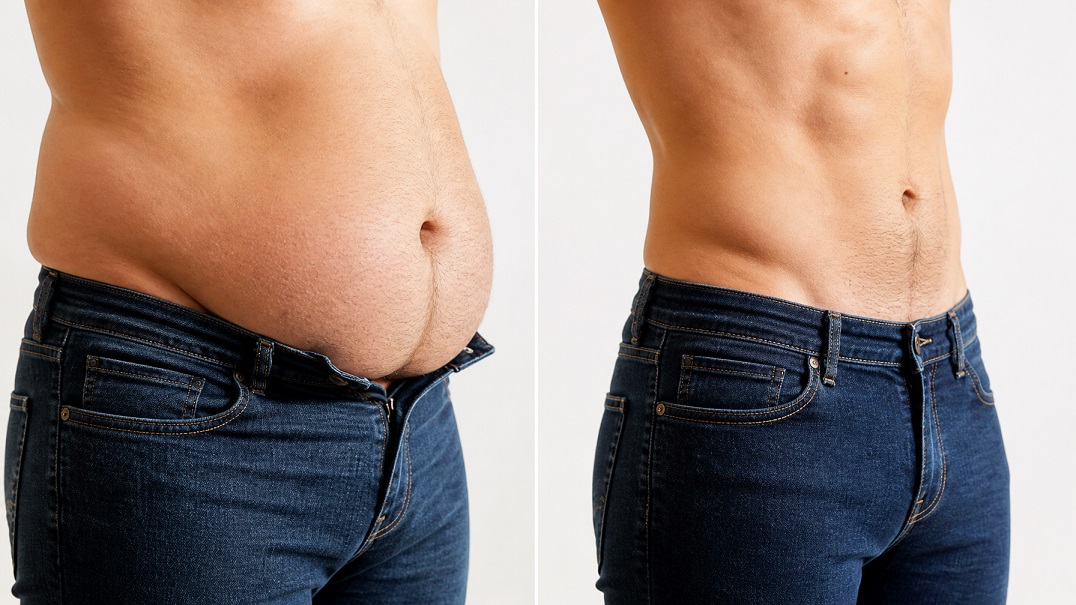
It’s a familiar frustration for a lot of men: the diet hasn’t changed much, the gym visits are still happening, yet the midsection keeps expanding anyway. While calories and activity levels always matter, they aren’t the whole story. Hormones, and testosterone in particular, play a substantial role in where the body stores fat and how stubborn that fat becomes. Understanding this relationship can explain why some men struggle with abdominal fat in ways that seem disconnected from their actual effort.
This article examines how testosterone influences fat storage, why the relationship between testosterone and belly fat runs in both directions, and what steps may help address the underlying hormonal piece of the puzzle.
Why Testosterone Influences Where Fat Is Stored
Testosterone affects more than muscle and libido; it plays a meaningful role in how the body distributes fat. Men with healthy testosterone levels tend to store fat more evenly, while declining levels are associated with a shift toward increased abdominal fat, particularly the visceral fat that surrounds internal organs.
Visceral Fat Versus Subcutaneous Fat
Not all body fat behaves the same way. Subcutaneous fat sits just beneath the skin and is relatively benign from a metabolic standpoint. Visceral fat, on the other hand, wraps around internal organs and is metabolically active in ways that affect hormone production, inflammation, and insulin sensitivity. Lower testosterone is specifically linked to an increase in this visceral fat, which is part of why belly fat in particular tends to respond to hormonal changes.
How Fat Distribution Shifts With Declining Testosterone
As testosterone falls, many men notice fat accumulating disproportionately around the abdomen even without significant changes in overall body weight. This pattern, sometimes informally described as a shift toward a more “apple-shaped” body type, reflects the hormonal influence on fat storage rather than simply being a matter of total calorie intake.
The Two-Way Relationship Between Testosterone and Belly Fat
What makes this relationship particularly frustrating is that it doesn’t move in just one direction. Low testosterone contributes to increased belly fat, and increased belly fat further suppresses testosterone, creating a cycle that can be difficult to break without addressing both sides.
How Visceral Fat Lowers Testosterone Further
Fat tissue, especially visceral fat, contains an enzyme called aromatase that converts testosterone into estrogen. The more visceral fat a man carries, the more this conversion occurs, which gradually reduces available testosterone even further. This means that as belly fat increases, it actively works against the hormone that would otherwise help control it.
Inflammation and Insulin Resistance
Visceral fat also produces inflammatory compounds that can interfere with normal hormone signaling throughout the body. Combined with the insulin resistance that often accompanies excess abdominal fat, this creates an environment that makes both fat loss and testosterone recovery more difficult than they would be otherwise. Breaking this cycle often requires addressing more than one factor simultaneously.
Why This Cycle Tends to Worsen With Age
The timing of natural testosterone decline overlaps with other age-related metabolic changes, which is part of why belly fat often becomes a more persistent issue after midlife.
Slowing Metabolism and Hormonal Decline
As testosterone gradually declines starting around age 30, resting metabolic rate also tends to slow, partly due to a natural loss of muscle mass over time. Since muscle tissue burns more calories at rest than fat tissue, this combination means fewer calories are needed to maintain the same weight, often without any conscious change in eating habits.
Reduced Activity Compounding the Effect
Lower energy levels, a common symptom of declining testosterone, can also lead to reduced physical activity, which further slows metabolism and makes weight management more difficult. This overlaps with patterns discussed in relation to fatigue and muscle loss, illustrating how interconnected these hormonal effects tend to be throughout the body.
Breaking the Cycle Between Testosterone and Abdominal Fat
While the relationship between testosterone and belly fat can feel discouraging, several approaches address both sides of the cycle at once.
Resistance Training for Fat Loss and Hormone Support
Strength training offers a dual benefit here. It helps preserve and build muscle mass, which supports a healthier metabolism, while also providing one of the more effective natural stimuli for testosterone production. Men who combine resistance training with cardiovascular activity often see better results for visceral fat reduction than with either approach alone.
Dietary Patterns That Support Hormonal Balance
Diets high in refined sugar and processed carbohydrates tend to worsen insulin resistance, which compounds the hormonal disruption already at play. Prioritizing protein, fiber, and healthy fats, while moderating refined carbohydrates, supports both fat loss and a more favorable hormonal environment. Adequate healthy fat intake matters in particular, since testosterone is synthesized from cholesterol, and overly restrictive low-fat diets can sometimes work against hormone production.
Sleep and Stress as Overlooked Factors
Poor sleep and chronic stress both elevate cortisol, which not only suppresses testosterone but also encourages fat storage specifically around the abdomen. Addressing these factors won’t replace diet and exercise, but ignoring them can undermine even a well-designed nutrition and training plan.
Botanical Support Alongside Core Habits
Some men explore adaptogenic herbs such as Panax ginseng, which has a long history of use in traditional medicine and has been studied for its potential role in supporting energy and hormonal balance. While such ingredients are not a substitute for the core habits of training, nutrition, and sleep, they’re sometimes used as a complementary piece of a broader approach to supporting healthy testosterone levels.
When Belly Fat Signals a Need for Medical Evaluation
Persistent abdominal fat that doesn’t respond to consistent diet and exercise efforts is worth discussing with a doctor, particularly if it’s accompanied by fatigue, reduced libido, or muscle loss. A blood test can measure testosterone levels and help clarify whether hormonal decline is contributing to the issue, or whether other factors such as thyroid function or insulin resistance deserve closer attention.
Understanding the hormonal side of belly fat doesn’t mean diet and exercise no longer matter; it simply means they’re part of a larger picture. Addressing testosterone alongside core lifestyle habits gives many men a more complete path toward managing stubborn abdominal fat.
Frequently Asked Questions
Does low testosterone always cause belly fat?
Not always, but lower testosterone is strongly associated with an increased tendency to store fat around the abdomen, particularly visceral fat. Genetics, diet, and activity level also play significant roles in fat distribution.
Can losing belly fat improve testosterone levels?
Yes, in many cases. Since visceral fat contributes to converting testosterone into estrogen, reducing this fat can help support more favorable testosterone levels, creating a positive cycle rather than the negative one often seen with excess abdominal fat.
Is it possible to lose belly fat without addressing testosterone?
It’s possible through diet and exercise alone, though men with significantly low testosterone may find the process more difficult. Addressing hormonal factors alongside lifestyle changes often produces more consistent results.