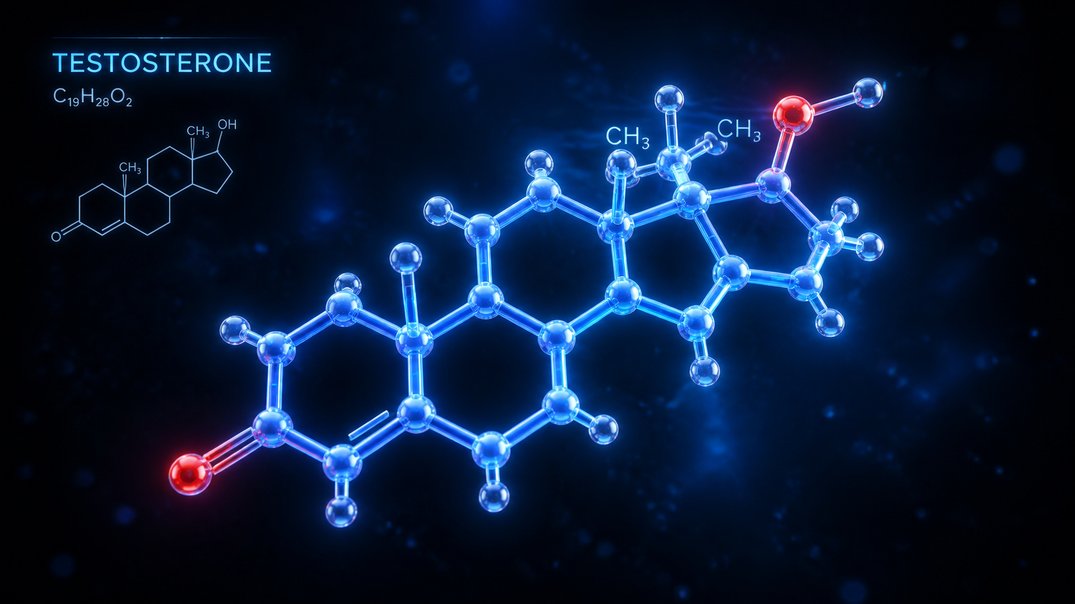
Snapping at small things that never used to bother him. Feeling flat and disengaged for days at a time. A short fuse that seems to flare up over nothing in particular. These shifts in mood and temperament are often blamed on stress, work pressure, or simply having a bad week. But for a lot of men, there’s a hormonal thread running underneath these changes that rarely gets considered until someone points it out directly.
This article looks at how testosterone influences mood and emotional regulation, why these effects are often misattributed to other causes, and what steps may help restore a more even emotional baseline.
How Testosterone Affects Mood and Emotional Regulation
Testosterone doesn’t just influence physical traits; it interacts directly with brain chemistry in ways that shape mood, motivation, and emotional resilience. Receptors for this hormone exist in areas of the brain associated with emotional processing, which means fluctuations in testosterone can have a real and measurable impact on how a man feels day to day.
The Link Between Testosterone and Neurotransmitters
Testosterone influences the activity of serotonin and dopamine, two neurotransmitters heavily involved in mood stability and motivation. When testosterone levels are within a healthy range, this support tends to go unnoticed because everything is functioning as it should. As levels decline, the resulting changes in neurotransmitter activity can contribute to irritability, low motivation, or a flatter emotional range than a man is used to experiencing.
Why Low Testosterone Often Looks Like Irritability First
Rather than presenting as sadness, low testosterone in men more commonly shows up as a shortened temper or reduced patience. Small frustrations that would normally roll off can suddenly feel disproportionately irritating. This pattern sometimes gets mistaken for simple stress or burnout, when an underlying hormonal shift may be amplifying the emotional response.
Why Hormonal Mood Changes Are Often Misdiagnosed
Mood changes tied to testosterone can closely resemble other conditions, which makes accurate identification more difficult without a deliberate look at hormone levels.
Overlap With Stress and Burnout
Workplace stress and general life pressures produce symptoms that look remarkably similar to those caused by low testosterone: irritability, fatigue, reduced patience, and a general sense of being worn down. Because stress is the more commonly discussed explanation, it often gets blamed by default, even when hormonal decline is contributing significantly to how a man is feeling.
Overlap With Depression and Anxiety
Low testosterone has also been associated with symptoms that overlap with mild depression, including low motivation, reduced interest in activities, and a general sense of flatness. This doesn’t mean low testosterone causes depression directly in every case, but the symptom overlap means a hormonal evaluation is worth considering, particularly when mood changes appear alongside physical symptoms like fatigue or reduced libido.

The Cortisol Connection to Mood and Testosterone
Cortisol, the body’s primary stress hormone, has a complicated relationship with testosterone that directly affects emotional stability.
How Chronic Stress Suppresses Testosterone
When the body experiences prolonged stress, it prioritizes cortisol production, which can suppress testosterone over time. This creates a frustrating dynamic where stress itself becomes a contributing factor to the very hormonal decline that worsens mood and emotional resilience, making it harder to handle additional stress that comes along.
Breaking the Stress-Hormone Cycle
Because stress and testosterone influence each other in both directions, addressing one without considering the other often produces limited results. Men who focus exclusively on stress management techniques while ignoring sleep, exercise, and other testosterone-supporting habits may find their mood improvements harder to sustain than expected.
Supporting Mood Through Healthy Testosterone Levels
Several lifestyle factors influence both testosterone and mood simultaneously, offering a practical starting point for men noticing unexplained irritability or emotional flatness.
Exercise and Its Effect on Mood and Hormones
Physical activity, particularly resistance training, supports healthy testosterone production while independently improving mood through its own effect on endorphins and stress reduction. This dual benefit makes exercise one of the more reliable tools for men dealing with both hormonal decline and the mood changes that often accompany it.
Sleep Quality and Emotional Stability
Since the majority of testosterone production happens during sleep, poor sleep quality affects mood through both a direct mechanism, sleep deprivation alone worsens emotional regulation, and an indirect one, by suppressing the testosterone that supports emotional resilience. Prioritizing consistent, quality sleep addresses both pathways at once.
Nutritional and Botanical Support
Certain nutrients, including zinc and vitamin D, support healthy testosterone production and are worth evaluating if levels are suspected to be low. Some men also turn to adaptogenic herbs such as KSM-66 ashwagandha, a specific high-concentration extract that has been studied for its potential role in reducing cortisol levels and supporting healthy testosterone, which may offer a complementary benefit for men whose mood changes are tied to chronic stress.
When Mood Changes Warrant a Conversation With a Doctor
Persistent irritability, low motivation, or emotional flatness that doesn’t improve with stress management and healthy habits deserves a closer look, particularly if these changes are paired with fatigue, reduced libido, or other physical symptoms. A blood test can measure testosterone levels and help clarify whether hormones are playing a role, while also allowing a doctor to rule out depression, anxiety, or other conditions that may require a different approach entirely.
It’s worth remembering that mood changes are rarely a simple matter of willpower or attitude. When testosterone is part of the underlying picture, addressing it directly, alongside the usual recommendations around stress and sleep, often makes a more meaningful difference than focusing on mindset alone.
Frequently Asked Questions
Can low testosterone cause irritability without other symptoms?
It’s possible, though irritability from low testosterone is more commonly accompanied by other signs such as fatigue, reduced motivation, or changes in libido. Isolated irritability is more often linked to other causes, which is why a broader evaluation is helpful.
Is mood improvement from addressing testosterone permanent?
Mood improvements often persist as long as the underlying factors, such as healthy testosterone levels, good sleep, and stress management, are maintained. Discontinuing these habits can lead to a return of symptoms over time.
Should I see a doctor or a therapist for hormone-related mood changes?
Both can be valuable. A doctor can evaluate testosterone levels and rule out other medical causes, while a therapist can help address the emotional and behavioral side of mood changes, particularly when stress is a significant factor.