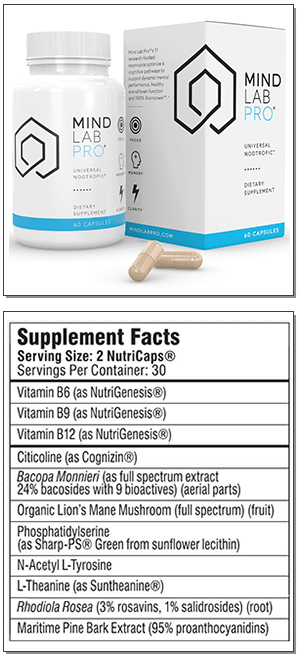
It’s a genuinely good idea, even though testosterone boosters are sold over the counter without a prescription. A quick conversation with a doctor can tell you whether your symptoms actually have anything to do with testosterone in the first place, flag any interactions with medications you’re already taking, and set a baseline in case you want to track whether anything changes.
Why This Matters Even For An Over-The-Counter Product
Being available without a prescription doesn’t mean a supplement is automatically appropriate for everyone or free of interactions. Ingredients commonly found in testosterone boosters, including various herbal extracts, minerals like zinc and magnesium, and vitamin D, can interact with certain medications or existing health conditions in ways that aren’t always obvious from a supplement label. A doctor or pharmacist can check your specific medication list for anything worth flagging.
Why It Helps To Rule Out The Real Cause First
Symptoms commonly attributed to low testosterone, including fatigue, low libido, and reduced muscle mass, have plenty of other possible explanations, including sleep problems, depression, thyroid issues, or normal aging. If you start a testosterone booster without first checking whether testosterone is actually part of the picture, you might spend time and money addressing the wrong problem. A simple blood test can settle this question.
Who Should Be Especially Cautious
Certain groups have a stronger reason to check in first: men with liver or kidney conditions, a history of prostate issues, cardiovascular disease, or those taking blood thinners, blood pressure medications, or other prescriptions that could interact with common booster ingredients. People with a history of alcohol use disorder should also be cautious, given documented case reports of liver injury linked to certain herbal testosterone-boosting supplements in this population specifically.
What A Doctor Conversation Actually Looks Like
This doesn’t need to be a major production. Mentioning that you’re considering a testosterone booster during a routine visit, or a quick message through a patient portal, is often enough for your doctor to flag anything relevant to your specific health history and medications. If your symptoms suggest a real possibility of low testosterone, this is also a natural opportunity to get tested rather than guessing.
What This Doesn’t Mean
This isn’t a suggestion that everyone needs a formal appointment before trying a basic multivitamin-style supplement. It’s more that testosterone boosters specifically combine multiple active ingredients at doses that can add up, and a quick check-in is a low-effort way to catch a problem before it happens rather than after.
The Bottom Line
Checking with a doctor before starting a testosterone booster is a reasonable, low-effort step that can catch medication interactions, confirm whether testosterone is actually relevant to your symptoms, and establish a baseline for tracking any changes. It’s especially worth doing if you have an existing health condition, take other medications, or have a history of liver or alcohol-related issues.
Frequently Asked Questions
Do I legally need a doctor’s approval to buy a testosterone booster?
No, these are sold over the counter, but that doesn’t mean checking with a doctor first isn’t a good idea.
What should I tell my doctor before starting a testosterone booster?
Share the specific product and its ingredient list, along with any medications, supplements, or health conditions you have.
Is it worth getting tested before trying a supplement?
Yes, since it helps confirm whether testosterone is actually relevant to your symptoms before spending time and money on a product aimed at it.
Who should be most cautious about trying these supplements without medical input?
People with liver, kidney, prostate, or cardiovascular conditions, those on interacting medications, and people with a history of heavy alcohol use.