Your own HGH rises for about 15 to 30 minutes after a resistance workout and takes part in the body’s tissue-remodeling signals. In one trial, adding pharmaceutical HGH to resistance training did not produce extra gains in muscle protein synthesis or strength, and direct trials of HGH for muscle soreness in healthy men are limited.
HGH’s Role in Tissue Repair and Remodeling
A review in Sports Medicine explains that the acute hormonal response to resistance exercise appears to be more critical to tissue growth and remodeling than long-term changes in resting hormone levels. The same review notes that circulating IGF-1 rises after resistance exercise, presumably in response to HGH-stimulated release from the liver. An endocrinology reference on the National Library of Medicine site adds that HGH helps maintain lean and bone mass. So the hormone is woven into how the body rebuilds after training.
How Your Body Responds to a Workout on Its Own
Your body already has a built-in response to training. According to the Sports Medicine review, HGH is elevated for about 15 to 30 minutes after resistance exercise when the stimulus is adequate. That short surge is part of a broader hormonal conversation that includes testosterone and IGF-1, and it happens every time you train hard.
What a Trial of HGH Plus Resistance Training Found
A study in the American Journal of Physiology gave 23 healthy men, with an average age of 67, a 16-week resistance training program. Some received pharmaceutical HGH and some received placebo. Fat-free mass and body water increased more in the HGH group, and whole-body protein synthesis rose. Even so, gains in muscle protein synthesis and in muscle strength were similar in both groups. In other words, the training itself did the heavy lifting.
What Causes Delayed Onset Muscle Soreness
A randomized trial published on the National Library of Medicine site describes delayed onset muscle soreness as being associated with muscle pain, reduced range of motion, muscle fiber disruption, and temporarily reduced strength. It is most severe after high-force eccentric loading, such as the lowering phase of a lift or downhill running.
What HGH Research Has Focused On
Studies of pharmaceutical HGH in healthy adults have mostly measured body composition, strength, and exercise capacity. Direct trials testing HGH against muscle soreness in healthy men are limited, so there is not a research basis for saying that it reduces soreness. The honest answer is that this specific question has not been well studied.
What This Means for You
Recovery is a whole-body process, so habits like consistent training, regular meals, steady routines, and enough sleep all count toward how you feel from one session to the next. HGH release is stimulated by sleep and peaks mostly at night, according to Cleveland Clinic.
How HGH Releasers Differ From Prescription HGH
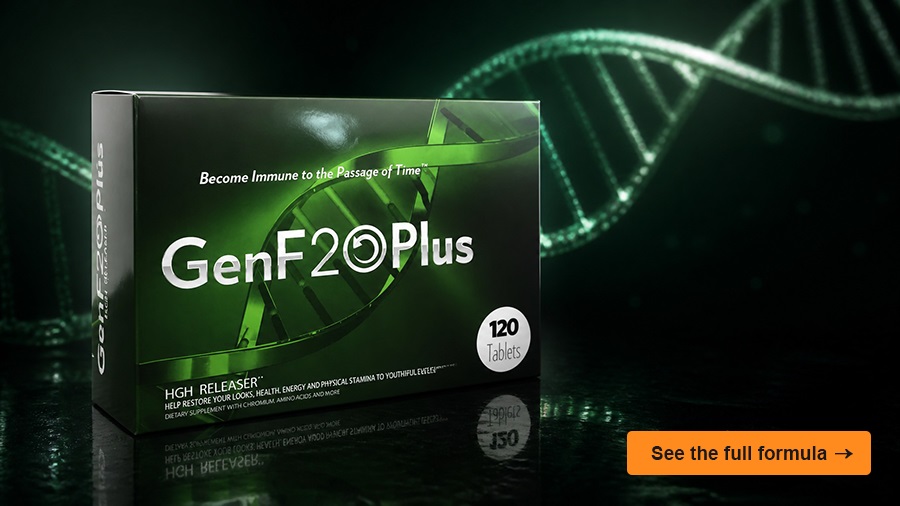
The trial described here involved pharmaceutical HGH. Prescription HGH is an injectable medicine that doctors prescribe for specific medical conditions. HGH releasers are a separate category: over-the-counter dietary supplements formulated with ingredients, such as amino acids and other nutrients, intended to support your pituitary gland’s own release of HGH. The two are different products and are studied separately. Like other dietary supplements, HGH releasers are not intended to diagnose, treat, cure, or prevent any medical condition.
Where HGH Releasers Fit Into a Healthy Routine
Men who take a releaser typically do so as one part of a routine that includes training, nutrition, and rest. If you are curious about trying one, it is sensible to check with your doctor first, particularly if you take medication or have an existing health condition.
Frequently Asked Questions About HGH, Recovery, and Soreness
Are HGH Releasers the Same as Prescription HGH?
No. Prescription HGH is an injectable medicine used for specific medical conditions. HGH releasers are over-the-counter dietary supplements formulated to support the body’s own natural growth hormone release.
Does HGH Rise After a Workout?
Yes. Research shows HGH rises for about 15 to 30 minutes after a resistance workout when the stimulus is adequate.
Should I Talk to My Doctor Before Trying an HGH Releaser?
Checking with your doctor is a smart step, especially if you take medication or have a health condition. Your doctor can help you decide whether a supplement fits your situation.