
Bovine colostrum contains IGF-1, but three placebo-controlled studies found that oral colostrum did not raise circulating IGF-1 in healthy adults, and a 2021 review says early suggestions of an increase are not supported by the balance of evidence. HGH was not the focus of these studies.
Why Colostrum Is Linked to IGF-1
A paper in the European Journal of Nutrition explains that bovine colostrum is rich in antibodies and growth factors including IGF-1, and that the World Anti-Doping Agency advises athletes against taking it for fear of increased plasma IGF-1.
The Three-Study Test
That paper reported three studies. In the first, 16 healthy men took 40 grams of colostrum or placebo with moderate exercise over 4.5 hours. Two double-blind trials followed 20 grams a day for 4 weeks, with 10 people per group, and for 12 weeks, with 25 taking colostrum and 29 taking placebo. Its title states that oral colostrum did not increase circulating IGF-1 in healthy adults.
Why Some Early Studies Showed Increases
A 2021 review explains that two earlier studies reported IGF-1 increases, but that one was confounded by large baseline differences and the other used maltodextrin as placebo, which was not matched for protein, and protein intake alone can raise IGF-1. It also notes that oral IGF-1 in an earlier tracer experiment was digested into inactive fragments. The agency does not recommend colostrum because of its IGF-1 content, but colostrum is not prohibited, and one laboratory drug screen found no effect of colostrum.
Colostrum and HGH
The studies described here measured IGF-1, not HGH, so they support no conclusion about HGH. The review adds that the bioactivity of colostrum products varies widely, so findings from one product cannot be assumed for another.
What This Means for You
A product may contain IGF-1 without raising IGF-1 in the blood, because digestion breaks it down, so a label alone does not show an effect. Colostrum has also been studied for other outcomes, such as upper respiratory symptoms and exercise recovery, which are separate questions from IGF-1.
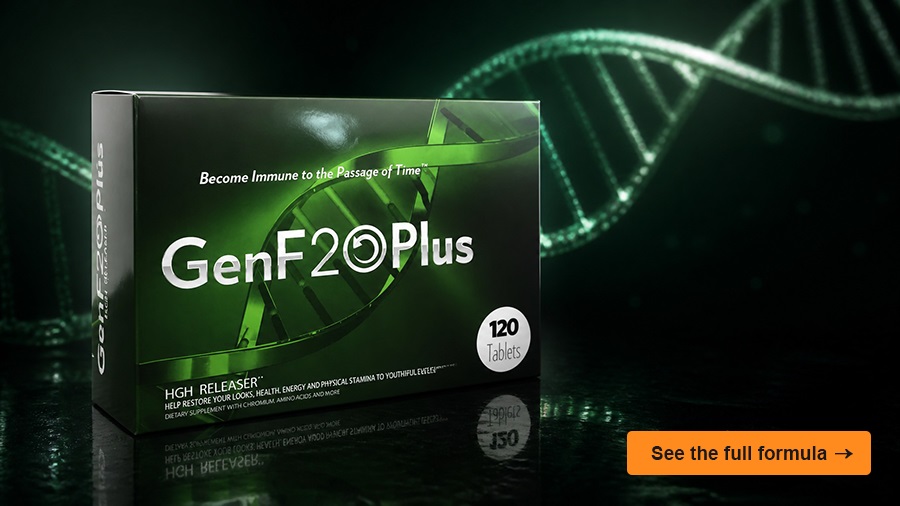
How HGH Releasers Differ From Prescription HGH
Every study described here tested colostrum on its own. Prescription HGH is an injectable medicine that doctors prescribe for specific medical conditions. HGH releasers are a separate category: over-the-counter dietary supplements formulated with ingredients, such as amino acids and other nutrients, intended to support your pituitary gland’s own release of HGH. The two are different products and are studied separately. Like other dietary supplements, HGH releasers are not intended to diagnose, treat, cure, or prevent any medical condition.
Where HGH Releasers Fit Into a Healthy Routine
Men who take a releaser typically do so as one part of a routine that includes training, nutrition, and rest. If you are curious about trying one, it is sensible to check with your doctor first, particularly if you take medication or have an existing health condition. If you compete in a sport with drug testing, also check with your sport’s anti-doping organization before using any supplement.
Frequently Asked Questions About Colostrum and IGF-1
Are HGH Releasers the Same as Prescription HGH?
No. Prescription HGH is an injectable medicine used for specific medical conditions. HGH releasers are over-the-counter dietary supplements formulated to support the body’s own natural growth hormone release.
Does Colostrum Contain IGF-1?
Yes, colostrum contains IGF-1 and other growth factors. Studies in healthy adults found that oral colostrum did not raise IGF-1 in the blood, which is consistent with digestion breaking it down.
Should I Talk to My Doctor Before Trying an HGH Releaser?
Checking with your doctor is a smart step, especially if you take medication or have a health condition. Your doctor can help you decide whether a supplement fits your situation.