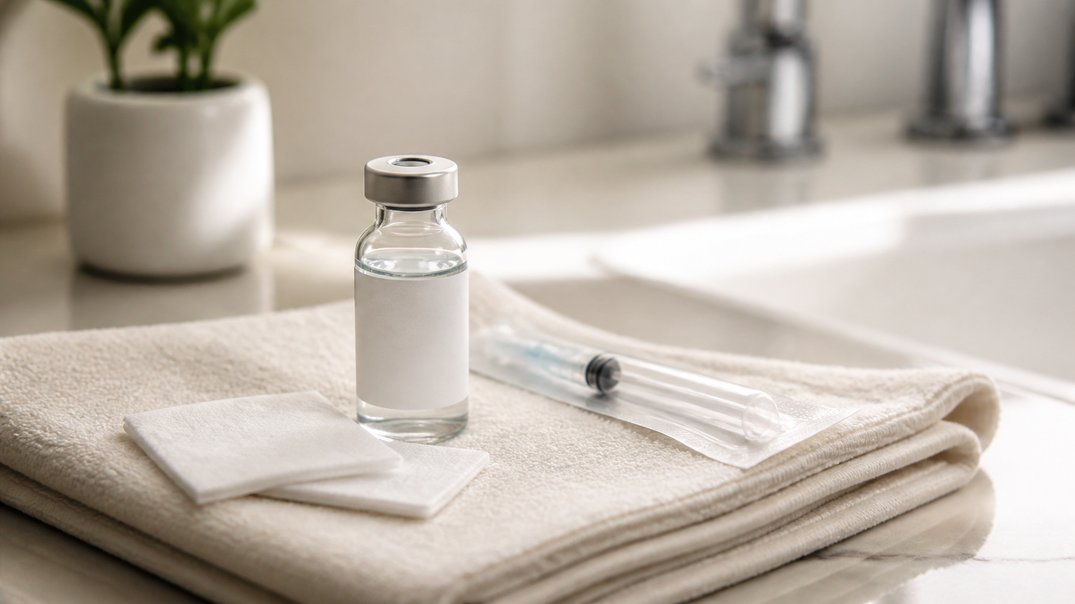
NAD+ is a helper molecule found in every cell, and there are three common ways people explore supporting it: oral supplements, injections, and IV drips. Oral precursors have the most human research so far, while injections and drips are clinician-guided options prepared by pharmacies. Here is how they compare, so you can ask smart questions of a licensed clinician.
What Human Studies Show About Oral NAD+ Precursors
Oral products usually supply precursors, building blocks your cells convert into NAD+. In a randomized, placebo-controlled trial of 80 healthy adults aged 40 to 65, daily NMN at 300, 600, or 900 mg for 60 days raised blood NAD+ levels above placebo at days 30 and 60. Levels at 900 mg did not differ from 600 mg, and NMN was well tolerated at up to 900 mg per day. Walking distance in a six-minute test also improved versus placebo. The manufacturer co-sponsored the trial, and the authors note that larger and longer studies would strengthen the findings. Oral options fit easily into a daily routine, with no needles or appointments.
How NAD+ Injections and IV Drips Differ
NAD+ injections are prescription medications prepared by a pharmacy and given under the skin or into a muscle. IV drips deliver NAD+ through a vein over a set period, usually at a clinic. The appeal of both is direct delivery, since the product skips digestion. Human research on these routes is still developing, and a 2023 review in Endocrine Reviews concluded that the clinical pharmacology, metabolism, and therapeutic mechanisms of NAD+ precursors remain incompletely understood. That makes ongoing research an exciting area to watch. Asking which pharmacy prepares your medication, and how its ingredients are sourced, is a smart part of any plan.

Choosing Between NAD+ Options With a Clinician
The best option depends on your goals, schedule, comfort with needles, and health history. A clinician can walk through each route, explain what research supports, and help you set realistic expectations. Because blood NAD+ levels and lasting health benefits are different questions, it helps to ask what outcome you are hoping for and how progress will be measured at follow-up visits. Your clinician can also tell you which questions research has answered so far and which remain open. Here is a simple way to frame the comparison:
- Oral supplements: a daily routine with the most human trial data
- Injections: a prescription option prepared by a pharmacy
- IV drips: supervised sessions at a clinic
Frequently Asked Questions
Which Form of NAD+ Has the Most Research?
Oral NAD+ precursors such as NMN have the most human trial data so far, including a 60-day trial showing higher blood NAD+ levels. Research on injections and IV drips is still developing.
Do NAD+ Injections and IV Drips Require a Prescription?
Yes. Injections and IV drips are prescription medications prepared by pharmacies, so a licensed clinician reviews your health history first. Oral supplements are sold without a prescription.
Does Higher Blood NAD+ Mean Better Health?
Scientists are still studying that question. Trials have measured blood NAD+ and some functional outcomes, and reviews call for larger randomized studies to test lasting benefits.
How Do I Choose Between Injections, Drips, and Supplements?
Your preferences, schedule, and health history all guide the choice. A licensed clinician can explain each route, review your goals, and plan follow-up so you can decide with confidence.
Good to Know
Ask your clinician how and where your medication is prepared. Oral precursors were well tolerated in the trial. Tell your clinician if you are pregnant, breastfeeding, or managing a chronic condition. Seek urgent care for fever, chills, vomiting, hives, or trouble breathing, and report problems to the FDA’s MedWatch program.
Find the Right NAD+ Option With a Licensed Clinician
Choosing among oral, injectable, and IV options is easier with expert guidance. Complete an online assessment, have an independent licensed clinician review your health history, and, when a prescription is appropriate, receive your medication from a licensed pharmacy that delivers to your door.
This article is for education only and is not medical advice.