


Inflammation has a branding problem. The word makes it sound like something you should eliminate completely, like spam emails or socks that vanish in the dryer. But inflammation is not inherently bad. It is a normal immune response, and it is how your body repairs tissue, fights infections, and adapts to challenges.
The issue is chronic inflammation, the low-grade, long-lasting kind that can simmer quietly in the background. It often does not announce itself with a clear symptom. Instead, it can show up as “I feel puffy,” “my joints complain,” “my recovery is slow,” or “I just do not feel as resilient as I used to.”
Molecular hydrogen (H2) is getting attention in this area because it is studied for potential support of oxidative balance and inflammation-related signaling pathways. People often use it through hydrogen-rich water, and some use hydrogen gas inhalation in more specialized contexts. The appeal is that hydrogen can be added to daily life without much friction, and it may complement other inflammation-friendly habits.
Inflammation: Helpful Fire Versus House Fire
Inflammation is like fire. In the right context, it is useful. It keeps you warm, it cooks your food, and it helps repair damaged tissue. But if it is constantly burning in the background, it can cause collateral damage.
Acute Inflammation Is Normal
Acute inflammation is your body responding to an injury or infection. You get swelling, heat, redness, and pain. It is unpleasant, but it is often part of healing.
Chronic Inflammation Is A Different Beast
Chronic inflammation tends to be lower-grade and longer lasting. It may be influenced by lifestyle factors, underlying health conditions, and environmental exposures. Over time, persistent inflammatory signaling can affect energy, recovery, metabolic function, and cardiovascular health.
Common Drivers Of Chronic Inflammation
Chronic inflammation is rarely caused by one thing. It is more often a pileup of stressors, like a traffic jam where every car is a small decision.
Dietary Patterns
Ultra-processed foods, excess added sugar, and low fiber intake can contribute to inflammation signals, especially when combined with nutrient deficiencies. On the other hand, diets rich in whole foods, colorful plants, and healthy fats tend to support a calmer baseline.
Sleep Disruption
Sleep is a repair window. Poor sleep quality can increase inflammatory signaling and make the body more reactive to stress. Many people notice their aches and cravings worsen after a stretch of bad sleep.
Chronic Stress
Stress hormones can influence immune activity and inflammation pathways. When stress is constant, the body can behave as if it is always preparing for an emergency, even when the “emergency” is just a calendar full of meetings.
Low Activity Or Overtraining
Movement is anti-inflammatory in the long run, but extremes can backfire. Too little activity can reduce metabolic flexibility and circulation. Too much intense training without recovery can increase inflammatory load. The sweet spot is consistent movement with enough rest.
Environmental And Lifestyle Exposures
Smoking, excessive alcohol, pollution, and other exposures can increase oxidative stress and inflammation signals. You cannot control everything, but you can reduce avoidable stressors.
Where Oxidative Stress Fits In
Oxidative stress and inflammation often travel together. Oxidative stress is an imbalance between reactive molecules and your body’s ability to manage them. Some reactive activity is normal and useful, but chronic overload can amplify inflammatory signaling.
This is one reason wellness strategies often focus on supporting antioxidant defenses, reducing lifestyle stressors, and improving recovery. If oxidative load is lower, the body may be better able to regulate immune and inflammatory responses.
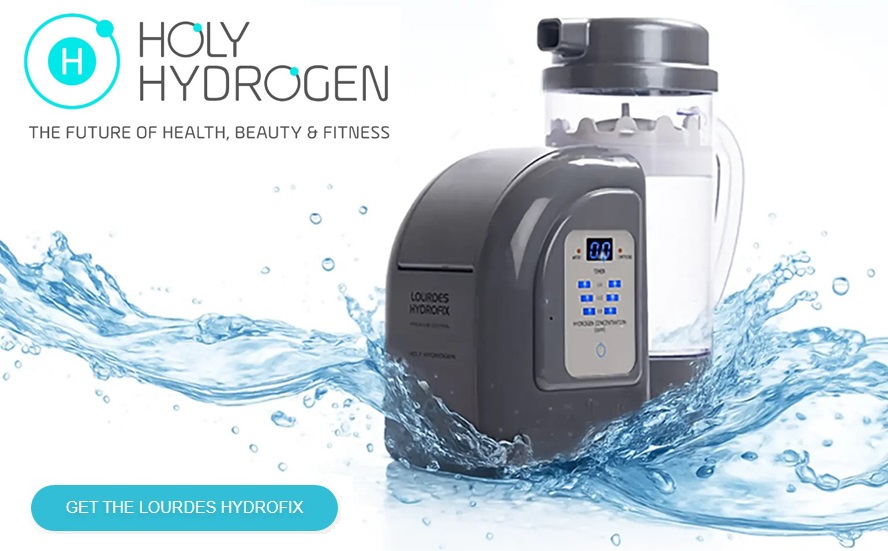
What Molecular Hydrogen Is And Why It Is Studied
Molecular hydrogen is H2, a small, neutral gas. In wellness, people commonly consume it through hydrogen-rich water, and in more specialized contexts, through hydrogen inhalation.
The “Selective Antioxidant” Idea
Hydrogen is often described as a selective antioxidant. In plain terms, it may help calm certain highly reactive species while leaving other reactive molecules involved in normal signaling intact. That matters because inflammation and repair require signaling. You want regulation, not suppression.
Inflammation-Related Signaling Support
Hydrogen is studied in relation to oxidative stress pathways and signaling that overlaps with inflammation. This is why people interested in long-term wellness and recovery often consider hydrogen water as a supportive habit.
Supportive is the key word. Hydrogen water is not a treatment for inflammatory diseases, and it should not replace medical care. But it may be a helpful piece of a bigger inflammation-friendly routine.
How Hydrogen Water Can Fit Into An Anti-Inflammatory Routine
The easiest way to think about hydrogen water is as an upgrade to hydration. Hydration supports circulation, kidney function, digestion, and overall metabolic efficiency. Adding H2 may add another layer of support tied to oxidative balance.
Daily Consistency Matters
Chronic inflammation is not created in one day, and it is rarely improved in one day. A consistent habit, one serving daily, for example, is usually more realistic than chasing a complicated protocol.
Drink It Fresh
Hydrogen dissipates over time, especially after opening a container. If you make hydrogen water at home, drink it soon after it is produced for better retention of dissolved H2.
Pair It With Movement And Meals
Hydrogen water pairs nicely with habits that already reduce inflammation signals, such as walking after meals, strength training with recovery days, and eating fiber-rich foods.
Choosing A Quality Hydrogen Water Option
Quality matters because you want consistent hydrogen levels and clean production. Whether you use tablets, pre-packaged options, or a home system, look for transparency.
Look For Measurable Hydrogen Concentration
Hydrogen concentration is often listed in ppb or mg/L. Clear numbers are more useful than vague claims. ORP can be a supporting signal, but it is not a direct measure of dissolved hydrogen.
Key Takeaways
- Inflammation is normal, but chronic inflammation can strain recovery and long-term health.
- Oxidative stress and inflammation signals often reinforce each other.
- Molecular hydrogen (H2) is studied for potential support of oxidative balance and inflammation-related signaling pathways.
- Hydrogen water can be a low-friction daily habit that supports hydration and may complement anti-inflammatory routines.
- For best results, pair hydrogen water with sleep, whole foods, stress relief, and smart movement.
Frequently Asked Questions
How Does Oxidative Stress Relate To Inflammation?
Oxidative stress can amplify inflammatory signaling, and inflammation can increase oxidative stress. Supporting balance in one area may help the other, especially through lifestyle habits.
When Should I Drink Hydrogen Water For Inflammation Support?
Many people drink it in the morning, around workouts, or during stressful periods. Consistency and drinking it fresh after production are often more important than perfect timing.
What Should I Look For In A Hydrogen Water Product?
Look for transparent dissolved hydrogen concentration numbers (ppb or mg/L), a focus on purity and materials, and an approach that fits your routine so you use it consistently.