Midlife brings a particular kind of quiet shift for a lot of men. It’s not that desire disappears entirely; it’s more that the spontaneous pull toward intimacy that once felt automatic starts to require more intention. Partners sometimes interpret this shift personally, wondering if attraction has faded, when in reality there’s often a hormonal current running underneath that has very little to do with the relationship itself.
This article explores how testosterone shapes libido specifically during midlife, why this stage of life presents unique challenges, and what practical steps can help rekindle desire in a way that feels sustainable rather than forced.
Why Midlife Is a Distinct Stage for Testosterone and Libido
Midlife, roughly the years between 40 and 60, represents a period where the cumulative effects of gradual testosterone decline become more apparent than they were in earlier decades, often coinciding with other life changes that compound the effect.
The Cumulative Effect of Decades of Decline
Since testosterone typically declines by about one percent per year starting around age 30, a man reaching his 50s may have testosterone levels twenty percent or more below where they were at 30, even without any specific medical condition. This cumulative reduction is often when libido changes become significant enough to notice clearly, rather than the gradual, barely perceptible shifts of earlier years.
Overlapping Life Stressors That Compound the Effect
Midlife frequently brings its own set of pressures: career demands peaking, children entering challenging teenage years or leaving home, aging parents requiring care, and a general sense of time feeling more limited than it once did. These stressors elevate cortisol, further suppressing testosterone and adding a psychological layer on top of the hormonal one already affecting libido.
How Testosterone Specifically Influences Desire at This Stage
Understanding the specific mechanisms at play helps clarify why midlife libido changes feel different from the more minor fluctuations of younger adulthood.
Reduced Spontaneous Desire Versus Responsive Desire
Researchers often distinguish between spontaneous desire, the kind that arises unprompted, and responsive desire, which develops in response to context, touch, or connection. Declining testosterone tends to affect spontaneous desire more noticeably, which is part of why many midlife men report needing more deliberate context or buildup to feel interested, compared to the more automatic desire of their twenties and thirties.
The Interaction Between Testosterone and Confidence
Testosterone also plays a role in general confidence and assertiveness, qualities that often factor into how comfortable a man feels initiating intimacy. As levels decline, some men notice a subtler shift in this kind of confidence, which can compound a purely hormonal decline in desire with a more behavioral pattern of hesitancy or avoidance.
Common Misunderstandings About Midlife Libido Changes
Because this shift unfolds gradually and intersects with relationship dynamics, it’s often misunderstood by both the man experiencing it and his partner.
Mistaking Hormonal Changes for Relationship Problems
A decline in spontaneous desire can be misread as a sign of fading attraction or relationship dissatisfaction, when the underlying cause is largely physiological. This misunderstanding can create unnecessary tension or hurt feelings within a relationship if the hormonal piece isn’t recognized and discussed openly.
Assuming Nothing Can Be Done
Some men resign themselves to reduced desire as simply an unavoidable part of getting older, when in reality, several approaches can meaningfully improve the situation. This resignation sometimes prevents men from pursuing options that could genuinely help, whether through lifestyle changes, medical evaluation, or relationship-focused strategies.
Practical Approaches to Rekindling Desire in Midlife
Addressing midlife libido changes works best through a combination of approaches that address both the hormonal and relational sides of the issue.
Supporting Testosterone Through Consistent Habits
Resistance training, quality sleep, and stress management remain foundational, just as they are at any age, but they take on added importance in midlife given the cumulative hormonal decline already at play. Men who commit to these habits often notice gradual improvements in both energy and desire over the following weeks and months.
Cultivating Responsive Desire Intentionally
Since responsive desire remains more intact than spontaneous desire for many midlife men, intentionally creating context for intimacy, through dedicated time together, physical affection without immediate expectation, or simply reducing daily distractions, can help desire emerge more naturally than waiting for it to arrive unprompted.
Considering Botanical and Nutritional Support
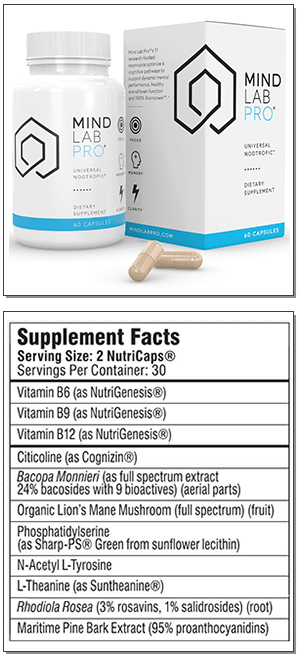
Some men explore ingredients with a traditional history of supporting male vitality, such as Panax ginseng, which has been studied for its potential role in energy and sexual health, or KSM-66 ashwagandha, researched for its possible support of stress reduction and healthy testosterone levels. These can serve as a complementary piece alongside the core habits already mentioned, rather than a replacement for them.
Open Conversation With a Partner
Discussing these changes openly, rather than letting a partner draw their own conclusions, often relieves pressure on both sides. Framing the conversation around a shared understanding of midlife hormonal changes, rather than personal blame, tends to produce a more supportive and constructive dynamic.
When to Seek Medical Guidance for Midlife Libido Changes
A gradual shift in desire is a normal part of midlife for many men, but a sudden or severe drop, especially alongside fatigue, mood changes, or erectile difficulties, is worth bringing to a doctor. A blood test can establish whether testosterone levels are notably low relative to a healthy range, which helps determine whether further evaluation or treatment options make sense.
Midlife doesn’t have to mean simply accepting a diminished sense of desire. With a clearer understanding of what’s actually happening hormonally, and a willingness to address both the physical and relational sides of the issue, many men find that intimacy in this stage of life can remain genuinely fulfilling.
Frequently Asked Questions
Is it normal for desire to change significantly during midlife?
Yes, this is a common experience tied to the cumulative effect of gradual testosterone decline along with typical midlife stressors. The degree of change varies widely between individuals, and significant or sudden changes are worth discussing with a doctor.
What’s the difference between spontaneous and responsive desire?
Spontaneous desire arises without specific prompting, while responsive desire develops in reaction to context, touch, or connection. Many midlife men retain responsive desire even as spontaneous desire declines, which means intentionally creating context for intimacy can still be effective.
Can addressing testosterone levels improve a relationship affected by libido changes?
It can help on the physical side, but open communication about the hormonal nature of these changes is often just as important for addressing any relational tension that may have developed as a result of misunderstanding the cause.