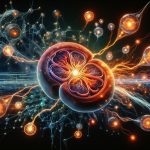
Think of your brain as a city powered entirely by electricity. The roads are your neurons, the signals traveling them are your thoughts, and the power plants keeping everything lit are your mitochondria. When the power grid is robust, traffic moves fast, intersections stay green, and the city operates with the fluid efficiency that makes everything feel easy. When the grid starts to falter, brownouts appear. Signals slow. Decisions take longer. Clarity gets murky at the edges. The city is still running, but it’s running on less than it’s capable of. For millions of people, the gradual degradation of mitochondrial function in brain cells is precisely this kind of slow power grid failure: not dramatic enough to be diagnosable, but significant enough to be felt in daily cognitive performance. Understanding how MCTs specifically support brain mitochondria is one of the more substantive stories in nutritional neuroscience right now.
The Brain’s Unique Mitochondrial Demands
No organ in the human body places greater demands on its mitochondria than the brain. Neurons are among the most metabolically active cells in existence, maintaining continuous electrical activity, synthesizing and releasing neurotransmitters, repairing synaptic structures, and sustaining the electrochemical gradients that make signal transmission possible. All of this requires a constant, uninterrupted supply of ATP. The brain consumes roughly twenty percent of the body’s total resting energy expenditure while representing only two percent of body weight, a metabolic disproportion that reflects just how expensive the business of thinking actually is.
To meet this demand, neurons contain exceptionally high concentrations of mitochondria. A single neuron can house thousands of them, clustered particularly densely at synapses where energy demand is highest during active signaling. The health and efficiency of these mitochondria is not merely a background biological fact. It is the immediate determinant of how well a neuron can perform its function in real time, and the cumulative determinant of how well the brain performs over a lifetime.
How Mitochondrial Decline Affects Cognitive Performance
Mitochondrial dysfunction in brain cells doesn’t arrive with dramatic symptoms. It tends to accumulate gradually through a combination of oxidative stress, reduced mitochondrial biogenesis with age, declining enzyme complex efficiency, and the slow accumulation of mitochondrial DNA damage. The cognitive effects of this decline are subtle at first: slightly slower processing speed, more effort required to retrieve information, reduced mental stamina during demanding tasks, and a quality of cognitive fatigue that feels different from simple tiredness.
As mitochondrial function continues to degrade, these effects intensify. Research increasingly links mitochondrial dysfunction to the pathophysiology of neurodegenerative conditions including Alzheimer’s disease, Parkinson’s disease, and other forms of age-related cognitive decline. Even well short of clinical disease, healthy adults with declining mitochondrial efficiency in neural tissue experience measurable cognitive changes that accumulate over decades. The case for maintaining mitochondrial health in brain cells is therefore not only relevant to people concerned about serious neurological conditions. It’s relevant to anyone who wants their cognitive performance to hold up robustly across a long life.
How C10 Supports the Brain’s Mitochondria
Capric acid (C10) has emerged as the MCT with the most direct and well-characterized effects on mitochondrial biology. Its mechanisms of action address the core problems of mitochondrial aging: declining mitochondrial number, reduced enzyme efficiency, and accumulating membrane damage from oxidative stress.

Activating the Biogenesis Pathway
C10 activates PPAR-alpha, a nuclear receptor that functions as a master transcriptional regulator of fatty acid oxidation and energy metabolism. PPAR-alpha activation drives expression of PGC-1alpha, widely regarded as the primary transcriptional coactivator of mitochondrial biogenesis. Through this pathway, C10 consumption signals cells to create new mitochondria, increasing mitochondrial density in the tissues where it has greatest effect. In brain cells, this translates to more energy-generating capacity at the neuronal level: a larger, more capable power grid rather than simply more fuel being pushed through an existing and perhaps aging infrastructure.
The parallel to exercise is instructive. Regular aerobic exercise is one of the most potent known stimulators of mitochondrial biogenesis, working through the same PGC-1alpha pathway. The fact that a dietary component like C10 engages this same pathway through nutritional signaling suggests that consistent MCT oil use may complement exercise-driven mitochondrial adaptation, potentially extending the biogenesis stimulus beyond what physical training alone provides. This is speculative at the level of long-term human outcomes, but the molecular mechanism is well-characterized.
Enhancing Complex I and Complex II Activity
Research has found that C10 directly enhances the activity of mitochondrial complexes I and II, the first two enzyme complexes of the electron transport chain. Complex I, NADH dehydrogenase, is the primary entry point for electrons from NADH, the electron carrier generated in abundance by the TCA cycle. When complex I functions efficiently, more of the chemical energy stored in NADH is converted into the proton gradient that drives ATP synthesis. When complex I is impaired, as it often is in conditions of mitochondrial stress and aging, less ATP is produced per unit of fuel consumed, and more reactive oxygen species are generated as byproducts.
By enhancing complex I activity, C10 improves the efficiency of the most important step in the electron transport chain, allowing neurons to produce more ATP from a given substrate input. Combined with the biogenesis effect that increases the number of mitochondria capable of performing this work, the result is a brain cell that is simultaneously operating more efficiently and has greater total capacity. These are not trivial improvements in the context of the brain’s relentless energy demands.
Protecting the Mitochondrial Membrane
The inner mitochondrial membrane is one of the most functionally critical and oxidatively vulnerable structures in any cell. The electron transport chain that drives ATP synthesis is embedded within it, and the integrity of the membrane is essential for maintaining the proton gradient that ATP synthase harnesses. Reactive oxygen species, generated as inevitable byproducts of energy production, accumulate over time and oxidize membrane lipids, damaging this critical structure and gradually reducing the efficiency of the entire ATP synthesis process.
C10 exhibits antioxidant activity within mitochondria, scavenging reactive oxygen species and reducing the rate of membrane lipid oxidation. This protective effect slows the accumulation of mitochondrial membrane damage that drives the age-related decline in energy production efficiency. The analogy is maintenance on the power grid infrastructure: not generating more electricity in the immediate term, but ensuring that the lines and transformers remain functional and efficient for longer. Over a timeline of years and decades, this preservation effect has potentially meaningful consequences for the pace at which brain energy metabolism declines.
C8’s Complementary Contribution
C10’s mitochondrial biology story is distinct from but complementary to C8’s primary contribution. While C10 builds, optimizes, and protects the mitochondrial infrastructure, C8 ensures that those mitochondria have a reliable and rapidly available fuel supply. C8 converts to ketones faster than any other MCT, and those ketones are metabolized within mitochondria through the TCA cycle. Research suggests ketone oxidation in mitochondria may generate ATP with slightly greater efficiency per unit of oxygen consumed than glucose oxidation, with fewer reactive oxygen species as byproducts, which reduces the oxidative burden on the very membrane structures that C10 is working to protect.
The combined use of C8 and C10 therefore supports brain mitochondria from two directions simultaneously: C8 provides premium fuel that the mitochondria burn efficiently and with lower oxidative cost, and C10 ensures those mitochondria are numerous, well-maintained, and operating with optimal enzyme function. This is the strongest argument for choosing an MCT oil that contains both fatty acids in meaningful proportions rather than optimizing for either one alone.