

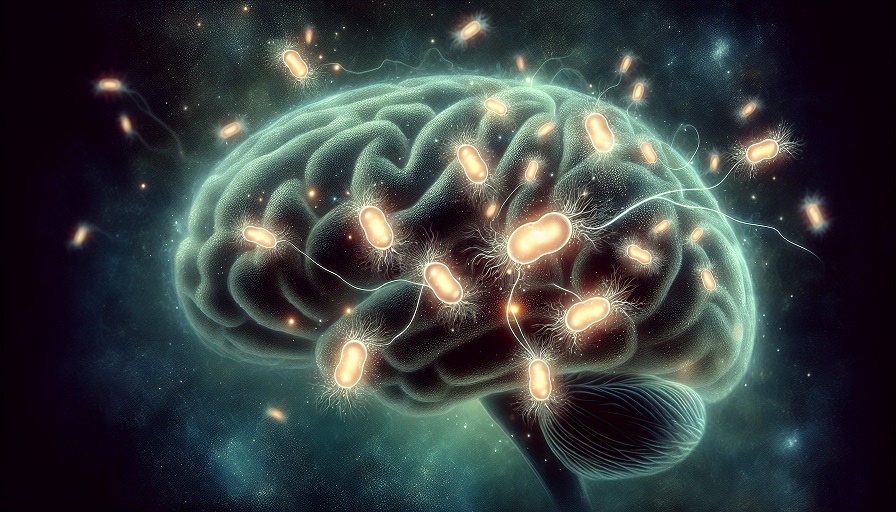
“Vitality” is one of those words that sounds like it belongs on a fancy tea label. But we all know what it means in real life. Vitality is when you wake up with some spark, move through your day without dragging, and still have enough energy left to be a pleasant human at dinner.
That kind of steady, whole-body energy is not just about personality or willpower. It’s about biology, especially cellular energy production. And at the center of cellular energy production are mitochondria, the structures inside cells that produce much of your ATP (adenosine triphosphate), the usable energy currency your body spends to do work.
Mitochondria influence vitality not only because they help make ATP, but also because they influence oxidative balance, inflammation signaling, metabolic flexibility, and recovery. In other words, they help determine whether your energy feels steady or fragile. Let’s unpack that connection.
ATP: The Currency Behind Vitality
Every function that makes you feel alive and capable requires ATP: muscle contraction, brain signaling, digestion, detox pathways, immune function, and tissue repair. ATP is constantly being created and spent.
Why Vitality Is About Consistency
Many people can “force” energy for a short time with caffeine or adrenaline. Vitality feels different. It feels like a stable baseline. That stability usually reflects an energy system that can meet demand without huge spikes and crashes.
How Mitochondria Support Whole-Body Vitality
Mitochondria are the primary producers of ATP for sustained work in most cells. They also act like a hub where energy, stress signals, and repair processes meet.
They Produce ATP For Muscles And Movement
If you want to feel physically capable, your muscles need steady ATP. Mitochondrial capacity supports endurance, repeated effort, and recovery between bouts of activity. People often notice mitochondrial “improvements” as easier warm-ups, fewer energy crashes during the day, and faster recovery after exercise.
They Support Brain Energy And Mental Stamina
The brain is energy-hungry. Neurons use ATP to maintain electrical gradients, fire signals, and recycle neurotransmitters. When mitochondrial energy production is steady, mental stamina is usually steadier. When it’s strained, brain fog and mental fatigue often show up earlier, especially under stress.
They Influence Redox Balance
ATP production creates reactive oxygen species (ROS) as natural byproducts. In normal ranges, ROS support signaling and adaptation. When ROS outpace antioxidant defenses, oxidative stress rises. Oxidative stress can impair mitochondrial efficiency and damage membranes and proteins, which can reduce vitality over time.
They Interact With Inflammation Signals
Inflammation is part of normal immunity. The issue is chronic, low-grade inflammation, which increases energy demand and oxidative load. Inflammation can strain mitochondria, and strained mitochondria can contribute to stress signals that may promote inflammation. This two-way relationship can influence how “heavy” or “tired” the body feels day to day.
They Affect Metabolic Flexibility
Metabolic flexibility is the ability to use carbohydrates and fats efficiently depending on demand. Better flexibility supports stable energy and fewer crashes. When flexibility is low, people often feel more dependent on frequent snacks or stimulants and may experience energy volatility.
What Low Vitality Often Looks Like
Low vitality can show up as more than tiredness. It often looks like reduced resilience and slower recovery.
- Waking up unrefreshed even after enough time in bed
- Energy crashes after meals
- Needing caffeine just to feel normal
- Slower recovery from workouts or stressful periods
- Brain fog that worsens with stress or poor sleep
These symptoms have many possible causes. If they are persistent or worsening, medical evaluation is wise because sleep apnea, thyroid imbalance, anemia, depression, nutrient deficiencies, and medication side effects can all reduce vitality.
How To Support Mitochondria And Vitality
Vitality is built by supporting the cellular environment consistently. Here are the most reliable strategies.
Exercise: The Vitality Signal
Regular exercise supports mitochondrial adaptation and improves metabolic health. Aerobic activity supports mitochondrial capacity, and strength training supports muscle mass and glucose handling. You do not need perfect workouts. You need repeatable movement. Walking counts, especially when it happens most days.
Sleep: The Recovery System
Sleep supports repair, hormone regulation, and brain cleanup. If you want more vitality, protect sleep timing and sleep quality. Morning light exposure, limiting late caffeine, and reducing bright screens at night help many people.
Nutrition: Fuel Stability And Nutrient Density
Balanced meals reduce blood sugar swings, which supports steadier energy. Nutrient-dense foods provide vitamins and minerals needed for metabolic enzymes and antioxidant defenses. Plant variety supports polyphenols that contribute to oxidative balance.
A simple daily goal is protein at meals plus a variety of plants across the week.
Stress Management: Reduce Energy Leaks
Chronic stress increases energy demand and can worsen inflammation and oxidative load. You don’t need a perfect meditation practice. You need a few stress-relief tools that fit your life, such as walks, breathing drills, social time, and boundaries around screens.
Nutrients Commonly Discussed For Cellular Energy And Vitality
Alongside lifestyle habits, certain nutrients and compounds are commonly discussed because they relate to mitochondrial energy production and oxidative balance:
- Vitamin B3 Forms (Including Niacinamide): support NAD-related energy transfer systems.
- Magnesium: supports ATP-related processes and nervous system stability.
- Coenzyme Q10 (CoQ10): involved in mitochondrial energy production pathways and supports membrane antioxidant activity.
- Acetyl-L-Carnitine: supports transport of fatty acids into mitochondria.
- Alpha-Lipoic Acid: supports mitochondrial metabolism and antioxidant networks.
- Polyphenols (Such As Resveratrol And Quercetin): studied for antioxidant effects and cellular signaling support.
- Curcumin: researched for inflammation and oxidative stress modulation.
- PQQ: investigated for roles in cellular signaling related to mitochondrial function.
- D-Ribose: discussed for its role in building components used in ATP formation.
The Takeaway
Mitochondria influence whole-body vitality because they produce ATP and help regulate oxidative balance, inflammation signaling, metabolic flexibility, and recovery. When mitochondria are supported, energy tends to feel steadier, recovery faster, and mental stamina more reliable. When mitochondria are strained, vitality often becomes fragile and inconsistent.