A playbook implies strategy, sequencing, and a clear understanding of what each player brings to the game. It is a better metaphor for the berberine-Akkermansia combination than most supplement framing manages to produce, because this combination genuinely rewards a strategic approach. Used haphazardly, at inconsistent doses, without dietary support, or with expectations calibrated to the wrong timeframe, either supplement will underdeliver. Used with an understanding of what each does, when each is most active, and how the two work together across different biological timescales, the combination becomes something considerably more effective than two supplements taken simultaneously by coincidence.
Understanding the Two Players Before Building the Play
Every effective strategy starts with a clear understanding of the tools available and what each one does best. Berberine and Akkermansia are not interchangeable options for natural GLP-1 support. They are distinct interventions with specific strengths, different timescales of action, and complementary rather than overlapping biological territories. Knowing this is the foundation of using them well together.
Berberine is the fast-acting, chemically precise player. It arrives before meals, activates L-cell receptors to trigger GLP-1 secretion, inhibits DPP-4 to extend GLP-1’s active lifespan, and engages AMPK to improve metabolic efficiency in parallel with its GLP-1 effects. Its contributions to the protocol are measurable within weeks and provide the clearest early evidence that the approach is working. Akkermansia is the structural, long-game player. It rebuilds the mucosal architecture that GLP-1-producing L-cells depend on, closes the gut barrier gaps that allow metabolic endotoxemia to suppress GLP-1 activity systemically, and cultivates the microbial ecology that generates the SCFA-rich colonic environment that sustains L-cell stimulation over time. Its contributions develop gradually and compound with each passing week of consistent use. One player delivers immediate chemical support; the other builds the infrastructure that makes that support increasingly effective. A good playbook uses both.
Phase One: Building the Foundation (Weeks One Through Four)
The first phase of the natural GLP-1 playbook is about establishing berberine at an effective dose while laying the dietary groundwork for Akkermansia’s introduction. Rushing this phase by starting both supplements simultaneously at full doses increases the likelihood of gastrointestinal adjustment effects that are uncomfortable enough to cause early abandonment, which is the most common reason natural protocols fail to produce their documented results.
Introducing Berberine Gradually
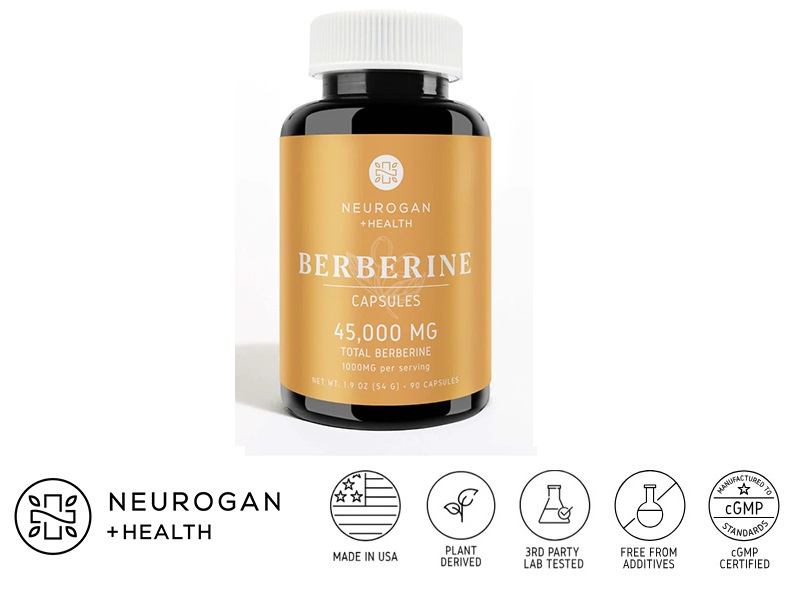
Week one begins with 500 mg of berberine HCl once daily, taken with the largest meal of the day. This modest starting dose allows the gut microbiome to begin adjusting to berberine’s selective antimicrobial activity without the more pronounced disruption that full therapeutic doses can produce in the first week. In week two, a second 500 mg dose is added before a second meal, bringing the daily total to 1,000 mg. By week three or four, most people have adjusted sufficiently to add a third 500 mg dose if targeting the upper end of the therapeutic range, reaching 1,500 mg daily across three meals. Some people find 1,000 mg daily sufficient for meaningful effects and prefer to stay there. Both fall within the range the clinical research supports.
During this phase, before Akkermansia is introduced, some people notice the earliest signals that the protocol is engaging: slightly improved meal satisfaction, modestly flatter energy between meals, and, for those monitoring blood glucose, a tendency toward lower postprandial readings. These early indicators reflect berberine’s direct GLP-1 and AMPK effects and provide useful baseline information for comparing against later in the protocol when Akkermansia’s contributions have had time to develop.
Phase Two: Adding Akkermansia and Building Synergy (Weeks Five Through Twelve)
Once berberine is established at its target dose and the initial gastrointestinal adjustment has settled, pasteurized Akkermansia is introduced. This phase is where the combination’s complementary mechanisms begin operating simultaneously, and where the more gradual, structural contributions of Akkermansia start building on the chemical foundation berberine has established.
Introducing Pasteurized Akkermansia
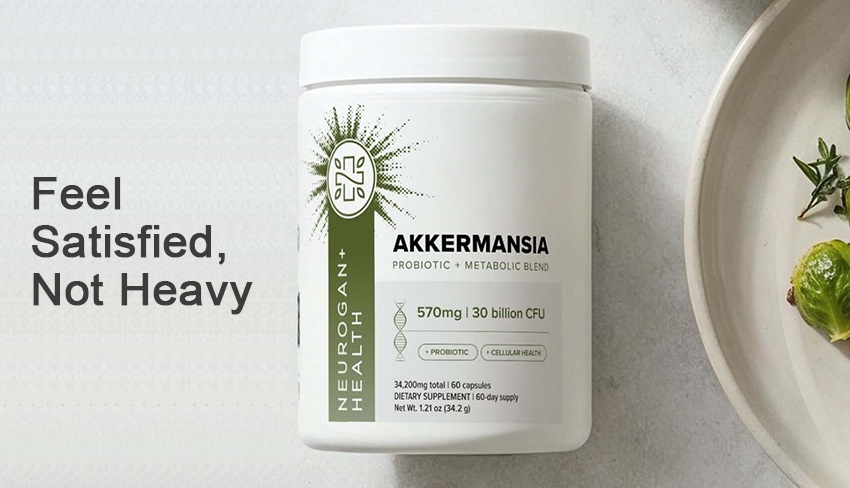
Pasteurized Akkermansia is taken once daily at a standardized dose of approximately ten billion bacterial equivalents, the dose used in the pivotal 2019 Nature Medicine human trial. Consistency matters more than precise timing relative to meals for Akkermansia, since its primary mechanisms involve structural maintenance of the gut environment rather than acute postprandial responses. Many people find taking it in the morning before breakfast convenient and consistent, though there is no clinical evidence establishing this as superior to other times. What matters is that it is taken at the same time each day, every day, without the gaps that would undermine the continuous mucosal maintenance it is designed to provide.
In the weeks following Akkermansia introduction, the gut environment begins shifting in ways that are initially subtle. The mucus layer gradually thickens. Gut barrier permeability improves as tight junction function is restored through Amuc_1100’s interactions with epithelial toll-like receptor 2. Metabolic endotoxemia begins declining as fewer bacterial lipopolysaccharides cross the improving barrier. The SCFA-producing microbial community that both supplements are cultivating becomes more productive as the ecological conditions supporting it improve. None of these changes produce dramatic overnight symptoms, but their accumulation over eight to twelve weeks creates a gut environment meaningfully more capable of supporting robust GLP-1 production than the one that existed at the protocol’s start.
The Synergy That Develops in Phase Two
The most important thing happening in phase two is not simply that two supplements are being taken simultaneously. It is that Akkermansia is progressively raising the ceiling on what berberine’s direct stimulation can achieve. L-cells operating in a gut environment where Akkermansia has restored mucosal integrity and reduced inflammatory tone are more secretory-responsive to berberine’s chemical activation than the same cells were in week one, when the gut environment was more compromised. By week twelve, berberine is stimulating a higher-capacity L-cell population in a lower-inflammation environment with better SCFA support, and the cumulative effect on GLP-1 output and the downstream metabolic markers that reflect it is more pronounced than either supplement’s week-one contributions suggested it would be. This is the synergy the combination builds toward, and it is why the evaluation window needs to extend to twelve weeks before conclusions are drawn.
Phase Three: Maintaining and Evaluating (Beyond Week Twelve)
The natural GLP-1 playbook does not have a fixed endpoint in the way a pharmaceutical treatment course might. Both berberine’s enzymatic effects and Akkermansia’s structural contributions require ongoing supplementation to maintain the metabolic improvements they produce. Phase three is about consolidating the gains from phases one and two, evaluating whether the protocol is delivering meaningful outcomes, and making intelligent adjustments based on what the data shows.
Evaluating the Protocol’s Effectiveness
A twelve-week metabolic panel provides the most informative first evaluation point. Fasting blood glucose compared to baseline, HbA1c if the initial reading was elevated, fasting triglycerides and LDL cholesterol, and any available postprandial glucose data from home monitoring collectively give a multidimensional picture of whether the GLP-1 support mechanisms are translating into measurable metabolic improvement. Subjective indicators, including meal satisfaction, appetite intensity, energy stability between eating occasions, and digestive comfort, add qualitative texture to the quantitative picture. Meaningful improvement across several of these dimensions after twelve weeks of consistent protocol adherence is a strong signal that the combination is working as the biology predicts it should.
Adapting the Protocol When Circumstances Change
Antibiotic courses represent the most common circumstance requiring protocol adaptation. Berberine’s effects are relatively robust to antibiotic disruption since they operate through the supplement’s own pharmacological activity rather than depending on a stable microbiome. Akkermansia is antibiotic-sensitive, and populations built up over weeks of supplementation can be substantially set back by a broad-spectrum course. During and after antibiotics, maintaining Akkermansia supplementation, adding polyphenol-rich foods that specifically promote its recovery, and temporarily increasing dietary prebiotic fiber supports the fastest possible restoration of the gut environment that Akkermansia’s contributions depend on. Treating post-antibiotic periods as a partial reset of Akkermansia’s phase two contributions, rather than a failure of the protocol, sets appropriate expectations for the recovery timeline.
Frequently Asked Questions
Can Both Supplements Be Started Simultaneously Rather Than Sequentially?
Starting both simultaneously is not contraindicated and some people prefer a combined start for simplicity. The sequential approach of berberine first is recommended primarily for practical manageability: it allows clearer attribution of any gastrointestinal adjustment effects to the correct supplement and provides early metabolic signal from berberine while Akkermansia’s slower structural contributions develop. For people who have previously used either supplement without problems, or who are comfortable managing a two-supplement introduction simultaneously, starting both in phase one is a reasonable choice that reduces the total time before the full combination is operating.
What Happens to the Protocol’s Effectiveness During Periods of Poor Diet?
The dietary foundation supports both supplements but is not a binary prerequisite for either to function. Berberine’s direct L-cell stimulation and DPP-4 inhibition operate independently of diet quality, though a high-glycemic diet increases the metabolic work those mechanisms are trying to offset. Akkermansia’s mucosal maintenance is actively undermined by dietary emulsifiers and low fiber intake, which reduce the quality of the gut environment it is working to maintain. Short periods of dietary disruption, such as travel or illness, produce manageable setbacks. Extended periods of emulsifier-rich, low-fiber eating actively work against Akkermansia’s contributions in ways that meaningfully reduce the combination’s overall effectiveness. Diet is not the entire game, but it is a significant portion of it.
Is There a Maintenance Dose That Works Once the Full Protocol Effects Are Established?
The concept of a maintenance dose lower than the therapeutic dose is appealing but not well supported by the current evidence for either supplement. Berberine’s DPP-4 inhibition and L-cell stimulation are dose-dependent effects that diminish with lower doses, and the clinical evidence base was established at 1,000 to 1,500 mg daily rather than at reduced maintenance levels. Akkermansia’s structural benefits require consistent daily supplementation to maintain the mucosal environment it provides. Some practitioners do cycle berberine with planned breaks while maintaining Akkermansia continuously, but the evidence base for this specific cycling approach is experiential rather than clinical. Staying at established therapeutic doses and evaluating periodically whether the metabolic markers support continuing, reducing, or cycling is the most evidence-consistent approach.