
Genetic testing has gone from something only available in a lab or a doctor’s office to something you can order online and do at your kitchen table. That shift has come with a lot of excitement, and a fair amount of confusion. Some people treat a DNA test like a crystal ball that predicts exactly what diseases they’ll get. Others dismiss it entirely, assuming it can’t tell them anything useful since genes are “just one piece of the puzzle.”
The truth sits in between those two extremes. DNA testing can offer real, useful information about your body, but it has clear limits too. Understanding both sides helps you know what to actually expect if you’re considering a test, and how to make sense of the results if you already have them.
What Genetic Testing Can Reveal About Your Body
Your DNA is a set of instructions that influences how your body builds and runs itself. Some of those instructions are extremely consistent from person to person. Others vary in small ways that add up to real differences in how bodies function. A genetic test reads specific spots in your DNA where these variations tend to occur and compares your results to what research has found about each one.
This can reveal useful patterns, such as how efficiently your body processes caffeine, how your body tends to respond to certain types of exercise, or whether you carry variants linked to differences in how you metabolize fats or carbohydrates. It can also flag variants associated with a higher or lower likelihood of certain traits and conditions, from lactose intolerance to inherited risk factors for specific diseases.
It Tells You About Tendencies, Not Certainties
This distinction matters more than almost anything else in this topic. A genetic variant linked to higher inflammation, for example, doesn’t mean you will definitely experience chronic inflammation. It means your body may be more prone to it under the wrong conditions, such as poor sleep, chronic stress, or a diet that doesn’t support you well. Genetics sets up tendencies. It doesn’t write the final outcome.
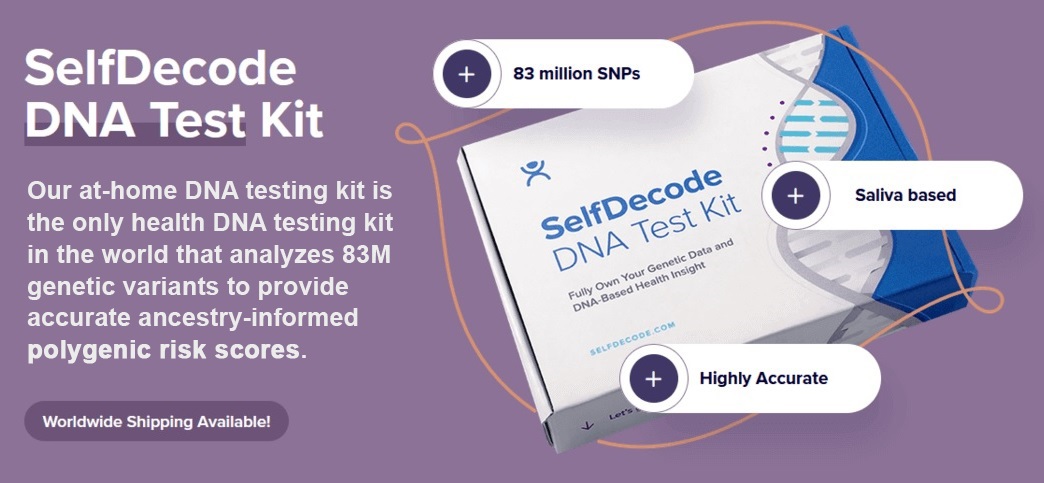
Signs You Might Be Misreading Your Genetic Results
It’s easy to misinterpret genetic information, especially when a report uses words like “increased risk” without much context. A few patterns suggest someone might be reading too much, or too little, into their results:
- Treating a single gene variant as a diagnosis rather than a data point
- Assuming that having “good” genes means lifestyle choices don’t matter
- Ignoring genetic information entirely because “genes aren’t everything”
- Panicking over a risk variant without understanding how small the actual increase in risk might be
- Expecting a DNA test to explain a symptom that has many possible causes
Genetic results are most useful when they’re treated as one input among several, alongside your symptoms, your family history, your lab work, and how your body actually responds to different foods and habits over time.
Where DNA Testing Genuinely Falls Short
DNA testing has real limits, and it helps to know them going in. Genes are only part of what determines your health. Environment, diet, sleep, stress, movement, and even the bacteria living in your gut all interact with your genetic code in ways scientists are still working to fully map out. Two people with the same risk variant can end up with completely different health outcomes based on how they live.
Most Traits Involve Many Genes, Not Just One
Many health conditions are not caused by a single gene acting alone. They involve the combined, layered effect of dozens or even hundreds of genetic variants working together, plus outside factors on top of that. A test can highlight individual pieces of that puzzle, but it usually can’t hand you the full picture with certainty. This is especially true for conditions like heart disease or type 2 diabetes, where genetics, lifestyle, and environment all play overlapping roles.
DNA testing also can’t tell you what’s happening in your body right now. It reflects the code you were born with, not your current blood sugar, hormone levels, or inflammation markers. That’s why genetic information tends to work best alongside other health data, not as a replacement for it.
How to Use Your DNA Results in a Way That Actually Helps
The most useful approach is to treat your genetic results as a starting point for questions, not a final answer. If your results suggest a tendency toward slower caffeine metabolism, that’s worth noticing the next time you can’t sleep after an afternoon coffee. If they suggest a higher tendency toward inflammation, that might be a reason to pay closer attention to sleep and stress management, not a reason to worry.
It also helps to focus on the categories of information that are the most actionable. Traits related to metabolism, nutrient processing, sleep, and exercise response tend to translate into practical changes you can actually make. Broader disease risk information is worth knowing, but it’s often more useful discussed with a doctor who can put it in context with your full medical history.

Common Questions About DNA Testing and Health
A few questions come up constantly once people start looking into genetic testing, so it’s worth walking through them directly.
Can a DNA Test Diagnose a Health Condition?
No. Consumer genetic tests identify variants associated with certain traits or conditions, but they don’t function as a medical diagnosis. A doctor uses additional information, including symptoms, lab work, and family history, to actually diagnose a condition.
How Accurate Is DNA Testing?
The lab process itself, reading your actual DNA sequence, is generally very accurate. What varies more is the interpretation, since research on some gene variants is stronger and more established than research on others.
Does a “High Risk” Result Mean I Will Get That Condition?
No. A higher genetic risk means a somewhat increased likelihood compared to the general population, not a guarantee. Lifestyle, environment, and other factors still play a major role in whether a genetic tendency actually turns into a health outcome.
Is It Worth Getting a DNA Test If Genetics Isn’t the Whole Picture?
Many people find it worthwhile because it adds a layer of personalized information that’s hard to get any other way. It works best when combined with attention to lifestyle factors, rather than treated as a standalone answer.
DNA testing isn’t a magic answer key, and it was never meant to be one. It’s a tool that can point you toward patterns worth paying attention to, especially when you combine it with how your body actually behaves day to day. Used that way, it can genuinely sharpen your understanding of your own health instead of replacing the work of figuring it out.