
For most of modern medicine’s history, treatment has worked like a vending machine. You describe your symptoms, and out comes a standard recommendation built for the average patient. That approach has saved countless lives, but it has an obvious flaw: no one is actually average. Two people with the same diagnosis can respond completely differently to the same medication or the same lifestyle advice.
Personalized medicine is the attempt to fix that mismatch. Instead of treating everyone with a given condition the same way, it uses information specific to each person, especially genetic information, to guide decisions about prevention, diagnosis, and treatment. This shift has been building for years, and it’s starting to show up in ordinary healthcare, not just research hospitals.
What Personalized Medicine Actually Means
Personalized medicine, sometimes called precision medicine, is the practice of tailoring healthcare decisions to an individual’s biology rather than relying only on general population averages. Genetics is a major part of this, since your DNA affects things like how you metabolize medications, your likelihood of developing certain conditions, and how your body tends to respond to specific treatments.
This is different from traditional medicine, which typically treats a diagnosis rather than a person. If two patients have high cholesterol, traditional medicine often starts both of them on the same first-line medication and adjusts from there through trial and error. Personalized medicine tries to skip some of that trial and error by using genetic and biological data to predict which approach is more likely to work for each person from the start.
It Started With Cancer Treatment
Some of the clearest examples of personalized medicine in action come from cancer care. Oncologists now routinely test tumors for specific genetic markers before choosing a treatment, because certain drugs only work well against cancers with particular mutations. This has turned what used to be a fairly uniform treatment process into something much more targeted, and it has meaningfully improved outcomes for patients whose cancers match a specific genetic profile.
Signs Personalized Medicine Is Reaching Everyday Healthcare
Personalized medicine used to be limited to specialized fields like oncology, but it’s steadily expanding into more common areas of care. A few signs show how far this shift has already come:
- Pharmacies and doctors increasingly checking genetic markers before prescribing certain medications, particularly for blood thinners and some psychiatric drugs
- Genetic testing being used to guide dosing for medications where the “standard dose” doesn’t work the same for everyone
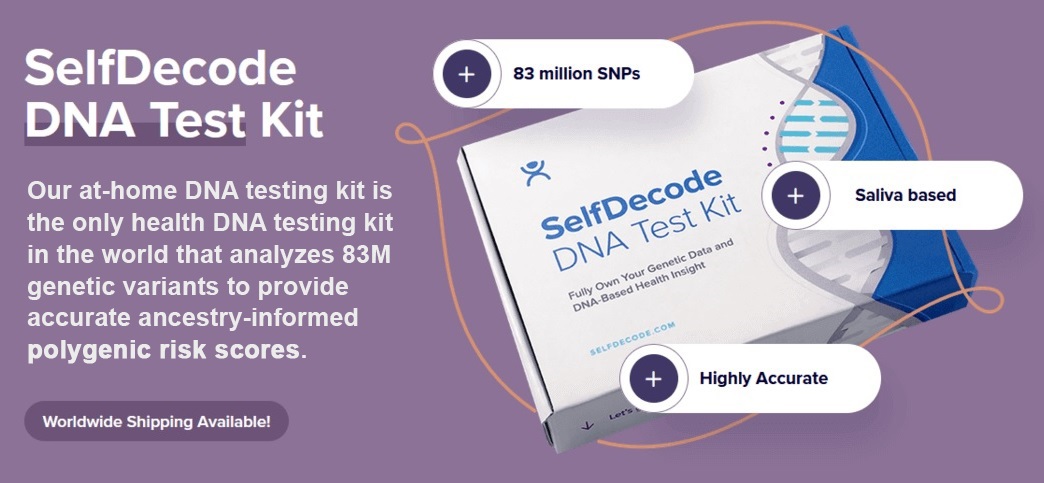
- Consumer DNA tests offering insights into nutrition, fitness, and lifestyle factors based on a person’s genetic profile
- Insurance and healthcare systems starting to factor genetic risk information into preventive care recommendations
- Growing interest in genetic counseling as part of routine care, not just for people with a known family history of disease
None of this means genetic testing has replaced traditional medicine. It’s being layered on top of it, giving doctors and patients more specific information to work with instead of relying purely on averages.
How Your Genetics Fits Into This Bigger Shift
Even outside a hospital setting, the same underlying idea applies to everyday health decisions. Your genetics influence how your body handles caffeine, how it responds to different types of exercise, how efficiently it processes certain nutrients, and how it manages inflammation. These aren’t abstract research topics. They’re practical factors that affect how you feel day to day and which habits are likely to actually move the needle for you.
Why This Matters More Than It Used To
A decade ago, getting this kind of genetic insight required a referral, a lab visit, and a long wait for results interpreted mostly by specialists. Now, consumer DNA testing has made it possible for people to access a version of this information directly, without needing a specific medical reason to request it. That accessibility is part of what’s driving personalized medicine out of research settings and into regular life, where people are using genetic insight to fine-tune diet, exercise, and general wellness choices.
What This Means for How You Approach Your Own Health
The practical takeaway is that generic health advice, while still useful as a starting point, isn’t the end of the conversation anymore. If a particular diet, supplement, or exercise routine doesn’t work well for you despite working for someone else, that’s not necessarily a personal failure. It may reflect a real biological difference that generic advice was never built to account for.
Genetic information can help identify where those differences are likely to show up, whether that’s in how you metabolize fat, how sensitive you are to certain foods, or how your body handles stress hormones. Combined with how you actually feel and function, that information can help you build a health approach that fits your biology instead of fighting against it.

Common Questions About Personalized Medicine
A few questions come up often when people first encounter the idea of personalized medicine, so it’s worth covering them directly.
Is Personalized Medicine Only for Serious Diseases Like Cancer?
No. While cancer treatment is where personalized medicine first became widely used, the same principles now apply to areas like medication dosing, nutrition, fitness, and general preventive care.
Do I Need a Doctor’s Referral to Access Personalized Genetic Information?
Not always. Consumer DNA testing services allow people to access genetic insights related to health and wellness directly, though a doctor is still the right resource for interpreting results related to specific medical conditions.
How Is Personalized Medicine Different From Regular Checkups and Lab Work?
Regular checkups and lab work capture a snapshot of your current health, like blood sugar or cholesterol levels. Personalized medicine adds genetic and biological context that helps explain why those numbers look the way they do and which interventions are more likely to work for your specific body.
Will Personalized Medicine Eventually Replace Standard Treatment Guidelines?
It’s more likely to refine standard guidelines than replace them entirely. General guidelines still provide a useful starting point, and personalized data helps adjust that starting point to fit the individual.
Healthcare built for the average person will always leave some people underserved, simply because no one is actually average. Personalized medicine, with genetics as one of its central tools, is slowly closing that gap. Whether it shows up as a targeted cancer treatment or a genetic insight into your own metabolism, the direction is the same: care that’s built around your biology instead of a population-wide guess.