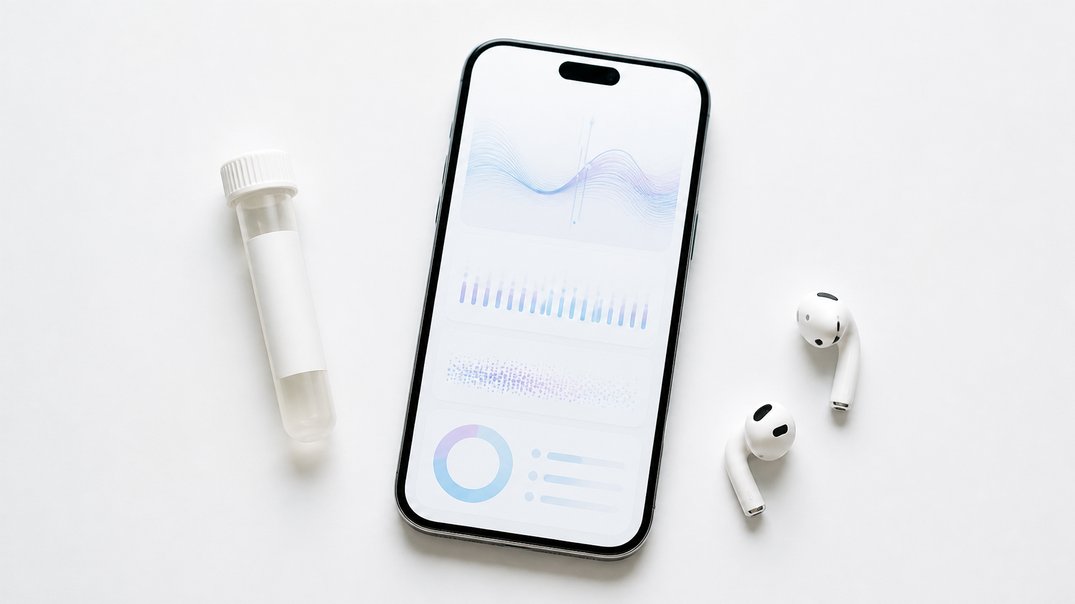
You spit into a tube, seal it up, and drop it in the mail. A few weeks later, you get an email saying your results are ready. For a lot of people, that’s where their understanding of DNA testing starts and stops. What happens in between feels like a black box.
It’s not actually that mysterious once you break it down. At-home DNA testing follows a fairly consistent process from the moment you collect your sample to the moment your results land in your inbox. Knowing what happens at each step can make the whole thing feel a lot less like guesswork and a lot more like something you understand and trust.
How You Actually Collect a DNA Sample at Home
Most at-home kits use one of two collection methods: a saliva sample or a cheek swab. Saliva kits ask you to spit into a small tube until you reach a fill line, which usually takes a couple of minutes since saliva production slows down once you start concentrating on it. Cheek swab kits use a soft brush that you rub against the inside of your cheek for a set number of seconds, sometimes on both sides of your mouth.
Both methods are collecting the same thing: cells from the inside of your mouth that contain your DNA. Saliva also picks up cells shed from your cheeks and throat, which is why it works just as well as a direct swab despite feeling like a less precise method.
Why You’re Told Not to Eat or Drink Beforehand
Most kits ask you to avoid eating, drinking, smoking, or chewing gum for 30 minutes to an hour before collecting your sample. This isn’t just a formality. Food and drink can introduce bacteria and other genetic material into your sample, which can interfere with the lab’s ability to isolate a clean read of your own DNA. Following this instruction closely gives the lab the best possible starting material to work with.
What Happens Once Your Sample Reaches the Lab
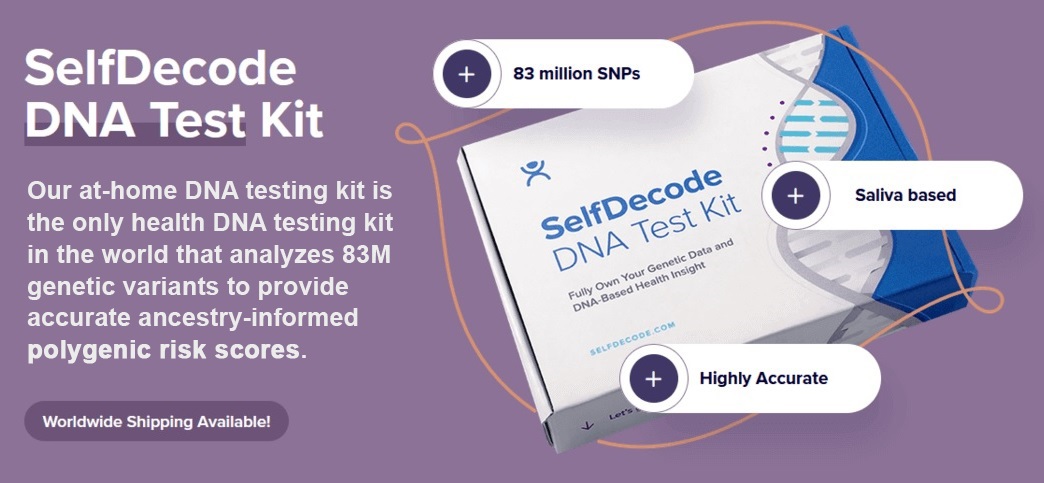
Once your sample arrives at the testing lab, it goes through a process called DNA extraction. Technicians, or more often automated systems, break open the cells in your sample and isolate the DNA from everything else, including proteins and cellular debris. What’s left is a purified sample of your genetic material, ready for analysis.
A few signs indicate a lab is handling this process well, which is worth knowing if you’re comparing testing companies:
- Clear chain-of-custody handling so your sample is tracked and never mixed up with someone else’s
- Use of accredited laboratory facilities with documented quality control standards
- A defined timeline for processing, usually a few weeks from receipt to results
- Secure storage or destruction policies for your physical sample after testing
- Encryption and privacy protections for the resulting genetic data
How Your DNA Gets Read and Turned Into Data
After extraction, your purified DNA sample goes through a process called genotyping, which reads specific locations across your genome known to vary between people. Rather than sequencing your entire genome letter by letter, which would be slower and far more expensive, most consumer tests use a genotyping chip that checks hundreds of thousands to over a million specific spots where meaningful genetic variation tends to occur.
Turning Raw Data Into Something Readable
The raw output from a genotyping chip is just a long list of genetic codes, not something a person could easily interpret on their own. This is where software and research databases come in. Your raw results get compared against published research linking specific genetic variants to traits, tendencies, and health-related patterns. That comparison is what eventually becomes the readable report you see in your account, whether it covers metabolism, sleep, nutrient processing, or another category entirely.
What to Expect After You Get Your Results
Once your results are ready, most companies organize them into categories you can explore at your own pace, rather than dumping a wall of raw data on you all at once. This typically includes summaries of your genetic tendencies alongside practical context explaining what each result actually means and how confident the underlying research is.
It’s worth remembering that your raw genetic data itself doesn’t change over time, since your DNA doesn’t change. What can change is the interpretation, since scientific research on specific genes continues to expand. Many testing companies periodically update reports as new research becomes available, which means your account can become more informative over time even without submitting a new sample.
This is a meaningful difference from a lot of other health tests you might be used to, like a blood panel that only reflects your body at the exact moment it was drawn. Once your DNA is read, that data stays relevant indefinitely. A report on caffeine metabolism or nutrient processing that gets refreshed a year later with newer research is still working from the same original sample, just with a more complete interpretation layered on top.

Common Questions About At-Home DNA Testing
A few questions come up constantly from people trying this for the first time, so it’s worth answering them directly.
How Long Does It Take to Get Results From an At-Home DNA Test?
Most companies report a processing time of two to eight weeks from the time your sample arrives at the lab, though this varies depending on the company and the type of testing involved.
Is Saliva or a Cheek Swab More Accurate for DNA Testing?
Both methods are generally accurate when collected correctly, since they both capture cells containing your DNA. Accuracy issues are more likely to come from not following collection instructions than from the collection method itself.
What Happens to My Physical Sample After Testing Is Complete?
This depends on the company’s policy, so it’s worth checking before you order. Some labs destroy the physical sample after extraction, while others store it securely in case reprocessing is needed.
Can I Retest If I Made a Mistake Collecting My Sample?
Most companies will flag a sample that doesn’t meet quality standards during processing and offer a replacement kit at no extra cost, though policies vary by provider.
Once you see the actual steps laid out, spitting into a tube and mailing it off stops feeling like a leap of faith. Your sample goes through a fairly standard, well-established process on its way to becoming a report you can actually use, and understanding that process makes the results at the end feel a lot more trustworthy.