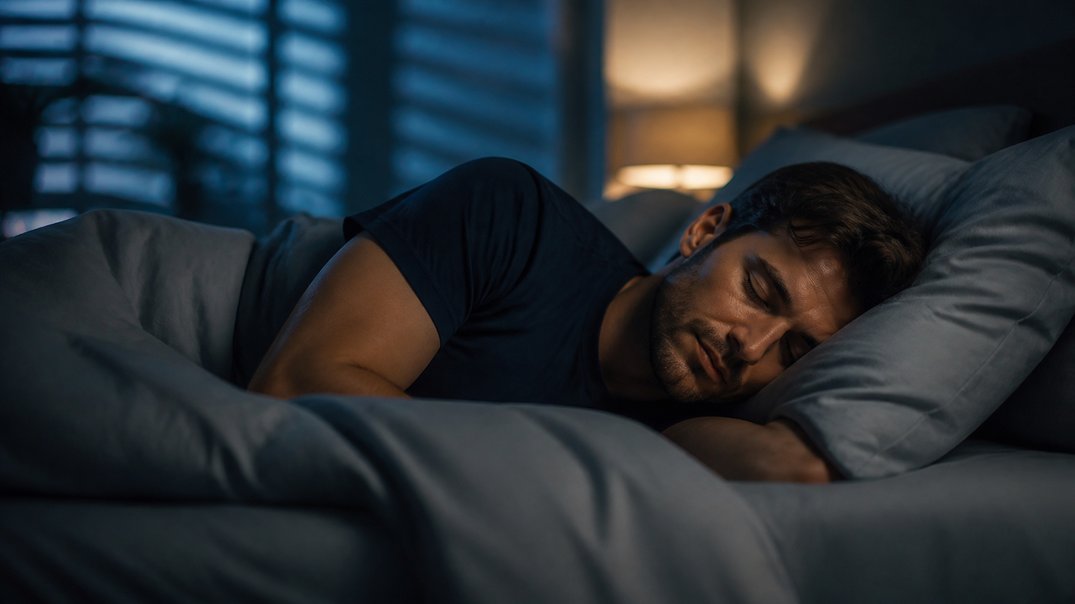
In men, largely yes. The biggest daily HGH pulse typically arrives shortly after sleep onset, in association with the first phase of deep, slow-wave sleep, and about 70 percent of HGH pulses during sleep coincide with it. Experiments suggest the trigger is closely tied to falling asleep itself, so sleep onset and deep sleep work together as a team.
What Deep Sleep Is
Deep sleep, or slow-wave sleep, corresponds to stages III and IV of non-REM sleep. A review on the National Library of Medicine site notes that most HGH release occurs during non-REM sleep within the slow-wave phase, with little HGH released during REM sleep. The first phase of slow-wave sleep arrives soon after falling asleep, which lines up with the timing of the biggest HGH pulse.
What the Research Shows About the Link
A review on PubMed reports that in adults the most reproducible pulse occurs shortly after sleep onset in association with the first phase of slow-wave sleep. In men, about 70 percent of the pulses during sleep coincide with slow-wave sleep, and the amount of HGH released correlates with the concurrent amount of slow-wave sleep. A later review describes a linear relationship between the amount of slow-wave sleep and the amount of HGH secreted.
A Twist From Sleep Timing Experiments
One carefully designed experiment in ten men separated the effect of falling asleep from the effect of deep sleep. Delaying sleep onset until 2 a.m. delayed the HGH bursts, which again coincided with the first periods of deep sleep. When deep sleep was temporarily suppressed, HGH peaks were not significantly reduced in size, but they shifted to occur after sleep onset rather than during the deepest stretches. The authors concluded that the timing of nocturnal HGH depends more on sleep onset than on deep sleep itself.
Why Pulses and Deep Sleep Do Not Line Up Perfectly
The first review notes that HGH pulses during sleep can occur without deep sleep, and that with standard assays only about one third of deep-sleep periods are associated with detectable HGH secretion. The authors attribute this to dual control of HGH pulsatility. It is a good reminder that biology rarely follows a single rule, and that sleep onset and sleep depth each contribute.
How HGH Releasers Differ From Prescription HGH
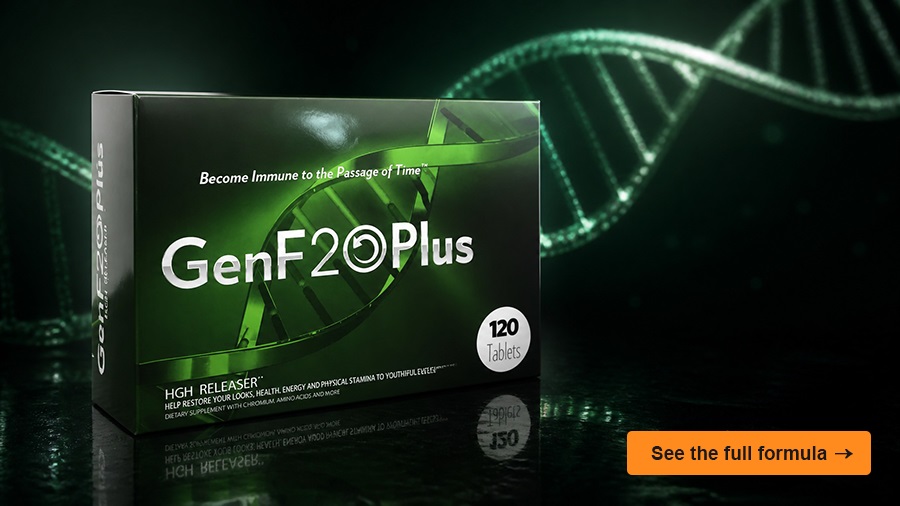
This article describes the body’s own natural HGH response to sleep. Prescription HGH is an injectable medicine that doctors prescribe for specific medical conditions. HGH releasers are a separate category: over-the-counter dietary supplements formulated with ingredients, such as amino acids and other nutrients, intended to support your pituitary gland’s own release of HGH. The two are different products and are studied separately. Like other dietary supplements, HGH releasers are not intended to diagnose, treat, cure, or prevent any medical condition.
Where HGH Releasers Fit Into a Healthy Routine
Men who take a releaser typically do so as one part of a routine that includes training, nutrition, and rest. If you are curious about trying one, it is sensible to check with your doctor first, particularly if you take medication or have an existing health condition.
Frequently Asked Questions About Deep Sleep and HGH
Are HGH Releasers the Same as Prescription HGH?
No. Prescription HGH is an injectable medicine used for specific medical conditions. HGH releasers are over-the-counter dietary supplements formulated to support the body’s own natural growth hormone release.
Is HGH Released During REM Sleep?
Very little. A review on the National Library of Medicine site notes that most HGH release occurs during non-REM sleep within the slow-wave phase, with little during REM sleep.
Should I Talk to My Doctor Before Trying an HGH Releaser?
Checking with your doctor is a smart step, especially if you take medication or have a health condition. Your doctor can help you decide whether a supplement fits your situation.