
Leftovers give you a headache. A glass of red wine leaves you flushed and stuffy before you’ve even finished it. Aged cheese seems to trigger something you can’t quite name, somewhere between a headache and a racing heart. If food reactions like these sound familiar, and they don’t fit the usual pattern of a food allergy, histamine intolerance is worth putting on your radar, and genetics is often the reason it shows up for some people and not others.
It’s a frustrating pattern precisely because it’s so inconsistent. The same wine that’s fine on one night causes a reaction on another, which makes it easy to write off as random rather than recognizing a real, identifiable trigger underneath.
Histamine gets talked about mostly in the context of allergies, but it plays a much broader role in the body. When your ability to break it down efficiently is compromised, often for genetic reasons, histamine from food and from your own body can build up and trigger a surprisingly wide range of symptoms.
What Histamine Actually Does in the Body
Histamine is a compound your body produces naturally, and it’s involved in several important functions, including immune response, stomach acid production, and communication in the nervous system. It’s also present in many foods, particularly fermented, aged, and cured items, which means your body is regularly managing histamine from both internal production and external sources.
Under normal circumstances, enzymes in your gut and liver break down histamine efficiently, keeping levels in a manageable range. Problems arise when that breakdown process isn’t working efficiently enough to keep up, allowing histamine to accumulate beyond what your body can comfortably handle.
Why It Gets Mistaken for Other Issues
Histamine intolerance symptoms overlap with a lot of other conditions, which is part of why it’s frequently misdiagnosed or missed entirely. Headaches, flushing, digestive upset, nasal congestion, and even anxiety-like symptoms can all stem from histamine buildup, but each of these symptoms also has plenty of other possible explanations, making the underlying pattern easy to overlook.
Common Signs of Histamine Sensitivity
A few patterns tend to show up together when histamine intolerance is part of the picture:
- Symptoms that appear after eating aged, fermented, or leftover foods specifically
- Flushing, headaches, or a racing heart after alcohol, particularly wine
- Nasal congestion or sinus symptoms that flare with certain foods rather than seasonally
- Digestive discomfort that doesn’t fit a clear food allergy pattern
- Symptoms that seem to build up over a day of eating multiple histamine-containing foods, rather than reacting to just one
That last pattern, a cumulative buildup rather than an immediate reaction to a single food, is one of the more distinctive signs that separates histamine intolerance from a typical food allergy.
The Genetic Root of Histamine Intolerance
The enzymes responsible for breaking down histamine are produced based on instructions from specific genes, and variants in these genes can significantly reduce how efficiently that breakdown happens. One of the most studied enzymes in this process works primarily in the gut, breaking down histamine from food before it’s absorbed. Reduced activity in this enzyme, often due to genetic variation, is a major reason some people react strongly to histamine-rich foods while others eat the same meals without any issue.
Why Symptoms Can Vary Day to Day
This also explains why histamine intolerance symptoms can feel inconsistent. Enzyme activity isn’t fixed. It can be further reduced by factors like gut inflammation, certain medications, and alcohol, which means someone with a genetic tendency toward lower enzyme activity might tolerate a food fine on one day and react strongly to the same food on another, depending on what else is affecting their histamine breakdown capacity at the time.
What to Do If You Suspect Histamine Intolerance
If this pattern sounds familiar, a temporary low-histamine approach to eating, done under guidance from a doctor or dietitian, can help clarify whether histamine is really the underlying issue. Keeping a food and symptom log during this process can help identify which specific foods and combinations tend to trigger reactions for you personally, since histamine content varies significantly even within food categories.
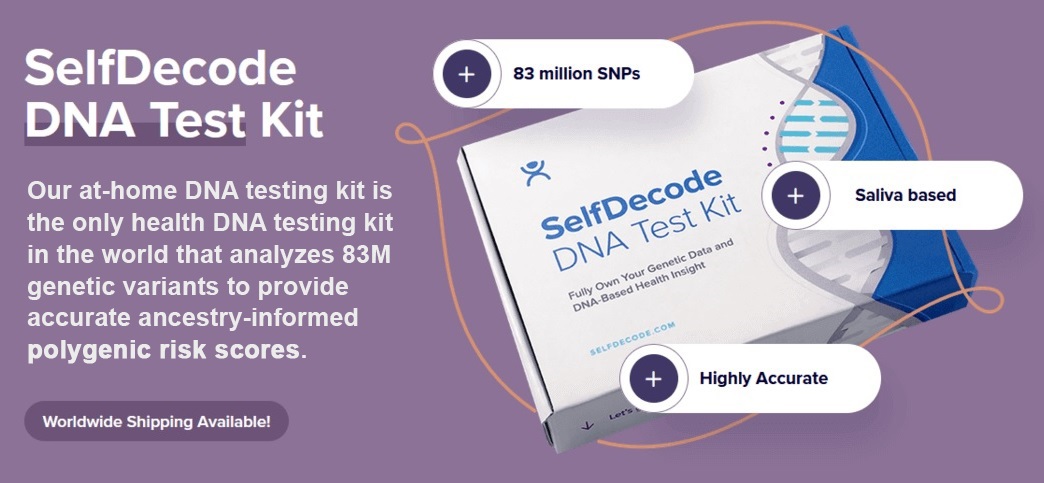
Understanding your genetic tendencies around histamine breakdown can add helpful context to this process, particularly in confirming whether a reduced-activity enzyme variant is likely contributing to your symptoms, which can make the difference between guessing your way through elimination and having a clearer starting point.
It can also help you avoid unnecessary long-term restriction. Without a clear reason behind the pattern, it’s easy to end up cutting out far more foods than actually necessary, just to be safe. Knowing that a specific enzyme variant is likely at play can help you focus on the foods most likely to matter, rather than restricting broadly out of caution.

Common Questions About Histamine Intolerance
A few questions come up frequently once people start suspecting histamine intolerance is behind their symptoms.
Is Histamine Intolerance the Same as a Food Allergy?
No. A food allergy involves the immune system reacting to a specific protein, often quickly and consistently. Histamine intolerance involves an impaired ability to break down histamine, which can lead to a buildup effect that’s more dose-dependent and inconsistent than a typical allergy.
Can Genetics Really Cause Histamine Intolerance?
Yes. Variants in genes responsible for histamine-breaking enzymes can significantly reduce how efficiently your body clears histamine, which is one of the primary underlying causes of histamine intolerance.
What Foods Are Highest in Histamine?
Aged cheeses, cured meats, fermented foods, leftovers, and alcohol, especially red wine, tend to be among the highest histamine foods, though individual sensitivity and reaction thresholds vary.
Should I See a Doctor Before Trying a Low-Histamine Diet?
Yes. A doctor or dietitian can help rule out other conditions with overlapping symptoms and guide a low-histamine approach in a way that doesn’t unnecessarily restrict your diet long-term.
If certain foods leave you with symptoms that never quite made sense, and cutting them out helps more than any allergy test ever explained, histamine intolerance is a reasonable explanation worth exploring. Understanding the genetic piece behind it can turn a confusing, inconsistent pattern into something a lot more predictable and manageable to live with day to day.