


Skin aging is a little like a high school reunion photo. Some people look like they found the fountain of youth, others look like life has been using them as a stress ball, and most of us are somewhere in the middle, doing our best with sleep, sunscreen, and the occasional “why did I stay up that late?” regret.
There is no single cause of skin aging, but one major player shows up again and again: oxidative stress. It is part of why UV light speeds up wrinkles, why pollution can dull the complexion, and why stressful weeks sometimes leave your face looking like it needs a vacation.
Hydrogen-rich water has become part of the “inside-out skincare” conversation because molecular hydrogen (H2) is studied for its potential role in oxidative balance and inflammation-related signaling pathways. Hydrogen water is not a replacement for sunscreen or a dermatologist, but it can be a simple daily habit that supports hydration and recovery, two things your skin absolutely loves.
Oxidative Stress: The Skin Aging Accelerator
Oxidative stress happens when reactive molecules build up faster than your body can manage them. Some reactive activity is normal and useful. Your skin uses reactive signals for healing and defense. The problem is chronic overload, especially when your skin is constantly exposed to environmental stressors.
Why Skin Is Vulnerable
Your skin sits at the boundary between you and the world. That means it is exposed to:
- UV light, which generates reactive molecules in skin cells
- Pollution and airborne particles
- Smoke and other irritants
- Dry indoor air that can stress the barrier
- Stress and poor sleep, which influence inflammation signaling
All of these can increase oxidative load, and over time, that can affect how skin looks and feels.
What Oxidative Stress Does To Skin Structure
Skin aging is often associated with changes in:
- Collagen and elastin: proteins that support firmness and elasticity
- Barrier function: the skin’s ability to retain moisture and keep irritants out
- Inflammation signaling: which can influence redness, sensitivity, and breakouts
When oxidative stress is high, these systems may have to work harder to maintain balance. That can translate to dullness, dryness, uneven tone, or more noticeable lines.
“Intrinsic” Versus “Extrinsic” Aging
Skin aging is often described in two categories.
Intrinsic Aging
This is the natural aging process influenced by genetics and time. Collagen production changes, cell turnover slows, and skin gradually becomes thinner and less elastic.
Extrinsic Aging
This is aging influenced by external factors: UV exposure, smoking, pollution, poor nutrition, chronic stress, and poor sleep. Extrinsic factors can accelerate visible aging, and oxidative stress is a key pathway in that acceleration.
The good news: you cannot stop time, but you can reduce many extrinsic stressors. That is where lifestyle habits, and potentially hydrogen water, come into play.
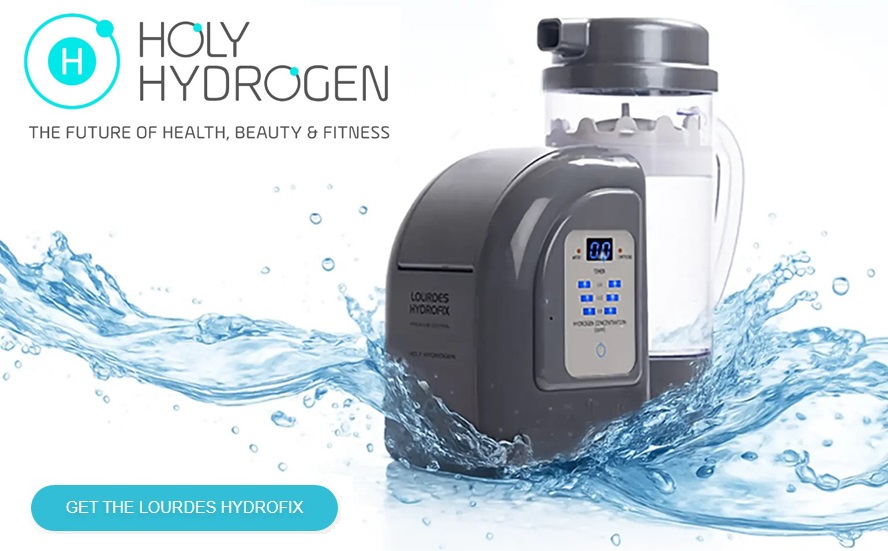
Where Hydrogen Water Fits Into Skin Aging Support
Hydrogen water is drinking water with extra dissolved molecular hydrogen gas (H2). H2 is studied for potential support of oxidative balance and inflammation-related signaling pathways. Because oxidative stress is part of skin aging, hydrogen water is often discussed as an inside-out support tool.
Hydrogen As A “Selective Antioxidant” Concept
Hydrogen is often described as a selective antioxidant, meaning it may help calm certain highly reactive species while leaving normal reactive signaling intact. Your skin needs some reactive signaling for healing and adaptation, so the idea of selectivity is appealing.
Hydration Is A Direct Skin Benefit
Hydrogen water supports hydration, and hydration affects skin comfort and appearance. Even if the hydrogen component adds only a subtle benefit, improving hydration consistency can make skin look more refreshed over time.
Better Recovery Can Look Like Better Skin
When people improve recovery habits, sleep, stress management, hydration, skin often looks better. Hydrogen water can be part of that recovery-supporting routine, especially if it helps you stay consistent with hydration and feel more resilient.
A Simple Hydrogen Water Routine For Skin-Friendly Living
Consistency is the goal. Here is a realistic approach that does not require you to reorganize your entire life around a water bottle.
Morning Hydration Anchor
Drink a serving of water soon after waking. If you use hydrogen water, morning is an easy anchor point. It supports hydration after sleep and sets a steady baseline.
Midday Top-Up
Dry indoor air and busy schedules can leave you under-hydrated by afternoon. A second serving mid-afternoon can help, especially if you work in air conditioning or heat.
Drink It Fresh
Hydrogen dissipates over time, especially after opening a container. If you make hydrogen water at home, drink it soon after production to preserve more dissolved H2.
Choosing A Quality Hydrogen Water Option
Hydrogen is tiny and escapes easily, so quality matters if you want consistent support.
Look For Measurable Hydrogen Concentration
Hydrogen concentration is often listed in ppb or mg/L. Those numbers are more meaningful than vague marketing phrases. ORP can be a supporting detail, but it is not a direct measurement of dissolved H2.
Key Takeaways
- Oxidative stress is a major contributor to extrinsic skin aging.
- UV light, pollution, stress, and poor sleep can increase oxidative load and affect collagen, barrier function, and skin tone.
- Sunscreen, whole foods, sleep, and stress management are the biggest levers for healthier-looking skin.
- Hydrogen-rich water supports hydration and provides dissolved H2, studied for potential support of oxidative balance and inflammation-related signaling.
- Quality and freshness matter, choose measurable hydrogen concentration and drink it soon after production.
Frequently Asked Questions
How Does Oxidative Stress Affect Skin Aging?
Oxidative stress can contribute to collagen and elastin changes, barrier disruption, and inflammation signaling, which can influence dryness, dullness, uneven tone, and visible aging features.
How Long Does It Take To See Skin Changes From Better Hydration?
Some people notice changes quickly, while others need a few weeks. Skin responds to hydration, sleep, and diet over time, so consistency matters.
What Should I Look For In A Hydrogen Water Product?
Look for transparent dissolved hydrogen concentration numbers (ppb or mg/L), attention to purity and materials, and an approach that helps you drink it fresh after production.