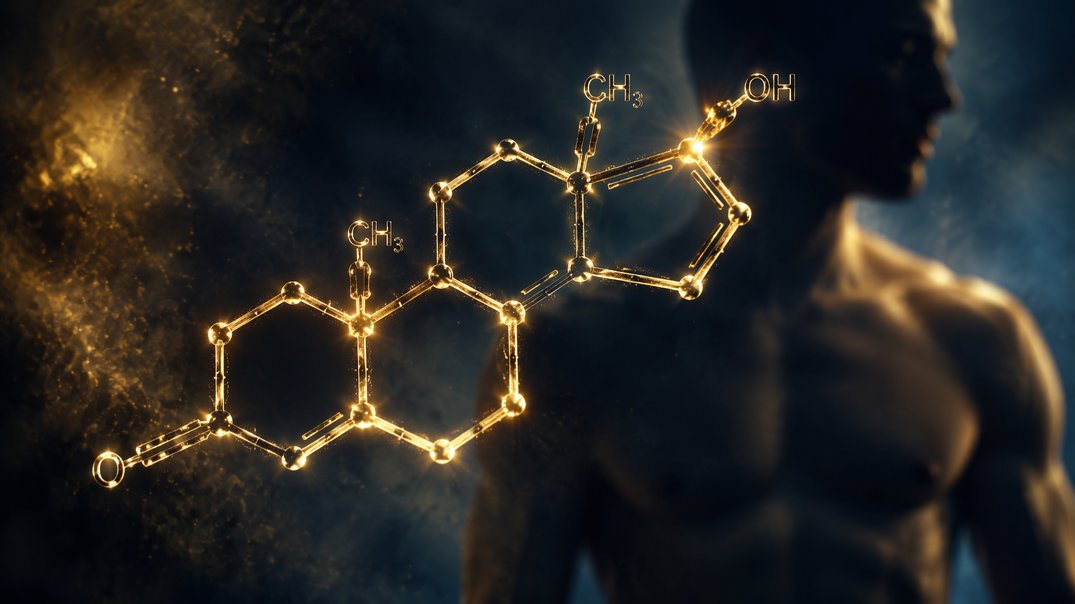
Yes, research indicates that low-fat diets can lower testosterone in men. A meta-analysis of controlled intervention studies found that men following a low-fat diet had significantly lower total testosterone, free testosterone, and dihydrotestosterone compared to when they followed a higher-fat diet. This isn’t a fringe finding. It’s based on studies that switched the same men between diets and measured the hormonal difference directly.
Here’s what the research found and why dietary fat matters so much for testosterone production.
What the Meta-Analysis Actually Found
A systematic review and meta-analysis published in the Journal of Steroid Biochemistry and Molecular Biology combined six controlled intervention studies comparing low-fat and high-fat diets in a total of 206 men. The results showed significant decreases across multiple androgen measures on the low-fat diet, including total testosterone, free testosterone, urinary testosterone, and dihydrotestosterone. Interestingly, luteinizing hormone and sex hormone-binding globulin didn’t show significant differences, suggesting the effect was specifically tied to androgen production rather than a broader hormonal signaling change.
Why Dietary Fat Matters So Much for Testosterone
Testosterone, like all steroid hormones, is synthesized from cholesterol. This isn’t a minor biochemical detail. It means dietary fat provides literal raw material your body uses to build this hormone. When fat intake drops significantly, particularly to the kind of low levels used in some low-fat diet interventions (as low as 7 to 20 percent of total calories in some of the studied protocols), the body may simply have less of the building blocks available for optimal testosterone production.
An Interesting Genetic Wrinkle
One of the more unexpected findings from this research involved ancestry. The meta-analysis found that men of European ancestry experienced a notably stronger decrease in testosterone in response to a low-fat diet, while a subgroup of South African farm laborers included in one of the studies actually showed the opposite pattern, with higher testosterone on the low-fat diet. This suggests individual and population-level genetic variation may influence how strongly someone’s testosterone responds to changes in dietary fat, an area that likely needs more dedicated research to fully understand.
How Low Is “Too Low” for Fat Intake?
The specific low-fat diets studied in this research ranged from about 7 to 25 percent of total daily calories from fat, with most falling around 20 percent. For context, U.S. dietary guidelines generally recommend 20 to 35 percent of calories from fat for most adults. This means the testosterone-lowering effect observed in this research applies to genuinely low-fat eating patterns, well below typical recommended intake, rather than simply eating a moderate amount of fat as part of a balanced diet.
What This Means If You’re Cutting Fat for Other Health Reasons
Many men reduce dietary fat intentionally for heart health, weight management, or general wellness goals, and those goals remain entirely valid. This research doesn’t suggest fat restriction is inherently harmful. It suggests that going to genuinely low levels of fat intake carries a testosterone trade-off worth being aware of, particularly for men already dealing with borderline or low testosterone. A more moderate approach, staying within standard dietary guidelines rather than pursuing an extremely low-fat diet, appears to avoid this specific downside while still supporting other health goals.
Practical Takeaways
If you’re managing your diet with testosterone health as one consideration among others, a few points from this research are worth keeping in mind:
- Staying within the standard 20 to 35 percent of calories from fat range, rather than going dramatically lower, appears reasonable based on current evidence
- The type of fat matters for overall health even if this specific research focused on total fat quantity, so prioritizing unsaturated fats from sources like olive oil, nuts, and fish remains a sound general strategy
- If you’ve adopted a very low-fat diet and are also dealing with symptoms of low testosterone, it’s worth discussing with a doctor whether adjusting your fat intake could be part of the solution
Frequently Asked Questions
How much can a low-fat diet lower testosterone?
Research combining several controlled studies found significant decreases in total and free testosterone on low-fat diets compared to higher-fat diets, though the exact magnitude varied across the individual studies included.
What percentage of calories from fat is considered “low-fat” in this research?
The studies reviewed used low-fat diets ranging from about 7 to 25 percent of total calories from fat, generally below the standard 20 to 35 percent range recommended in most dietary guidelines.
Does everyone respond to low-fat diets the same way regarding testosterone?
No, the research found that men of European ancestry showed a stronger testosterone decrease on low-fat diets, while a smaller subgroup from South Africa showed the opposite pattern, suggesting genetic factors may play a role.
Should I avoid low-fat diets entirely to protect my testosterone?
Not necessarily. Staying within standard, moderate dietary fat guidelines rather than pursuing an extremely low-fat approach appears to be a reasonable way to support testosterone while still managing fat intake for other health goals.