Heat and cold both trigger strong hormonal responses, but only heat has been shown to raise growth hormone, and only briefly. In small studies from the 1980s, sauna heat raised HGH in some conditions, and the response faded after several days of repeated sessions. For cold exposure, norepinephrine and dopamine rise reliably, yet we found no study showing an HGH rise during cooling.
What the Sauna Studies Tested
The studies described here come from Finland in the 1980s. They used very hot conditions and small groups of healthy young people, and some sessions ran until the participants felt discomfort or exhaustion.
Response at Different Temperatures
In a study of eight healthy young men, three sauna conditions were tested: 80 degrees Celsius dry, 100 degrees dry, and 80 degrees becoming humid. Growth hormone rose at 100 degrees dry, alongside increases in prolactin, noradrenaline, and ACTH. The abstract lists a growth hormone increase only for that condition, not for the other two.
What Happened With Repeated Sessions
In a study of repeated sauna bathing, healthy volunteers took a one-hour 80 degree sauna twice a day for seven days. The rise in growth hormone in response to heat declined after the third day, while prolactin stayed elevated. Thyroid hormones, testosterone, and gonadotropins did not change significantly. Repeated heat therefore seems to blunt the growth hormone effect.
Cold Exposure and Stress Hormones
Cold immersion has well-documented hormonal effects. According to a 2025 paper describing earlier work, immersion in 14 degree Celsius water for an hour raised plasma noradrenaline by 530 percent and dopamine by 250 percent, while cortisol tended to decrease. These are stress-response hormones, and they are not growth hormone.
What Was Measured for Growth Hormone in the Cold
In an early study of six healthy adults exposed to 4 degree Celsius air for one or two hours, no rise in HGH was found during cold exposure. A significant increase of 3.1 to 13.5 nanograms per milliliter appeared on rewarming. The study used cold air, not water, and involved very few people, so it cannot settle the question for ice baths.
What This Means for You
Sauna heat may give a short-lived HGH rise under research conditions, but we found no study linking it to changes in muscle, fat, or recovery. Cold exposure has a clearer effect on stress hormones than on growth hormone. Cleveland Clinic notes that in healthy people, HGH release is stimulated by sleep and exercise, among other factors.
How HGH Releasers Differ From Prescription HGH
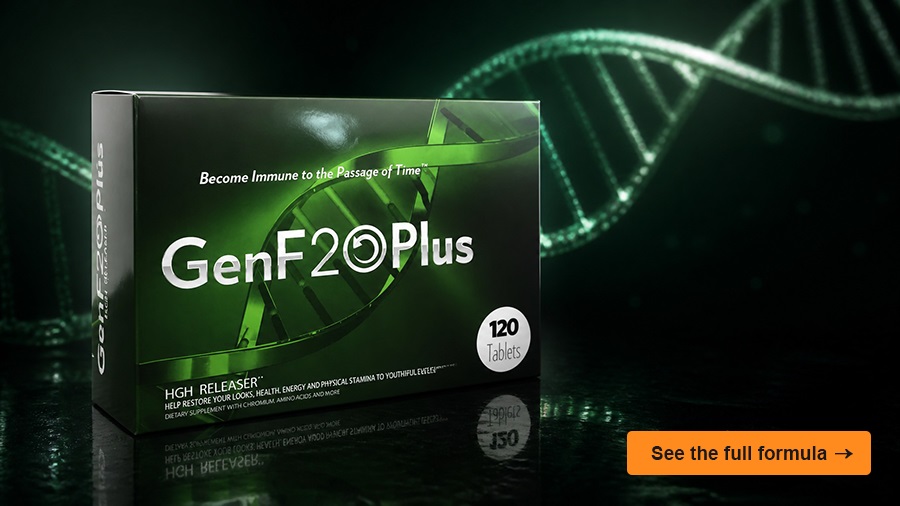
The research described here concerns heat and cold exposure themselves. Prescription HGH is an injectable medicine that doctors prescribe for specific medical conditions. HGH releasers are a separate category: over-the-counter dietary supplements formulated with ingredients, such as amino acids and other nutrients, intended to support your pituitary gland’s own release of HGH. The two are different products and are studied separately. Like other dietary supplements, HGH releasers are not intended to diagnose, treat, cure, or prevent any medical condition.
Where HGH Releasers Fit Into a Healthy Routine
Men who take a releaser typically do so as one part of a routine that includes training, nutrition, and rest. If you are curious about trying one, it is sensible to check with your doctor first, particularly if you take medication or have an existing health condition.
Frequently Asked Questions About Sauna, Cold Exposure, and HGH
Are HGH Releasers the Same as Prescription HGH?
No. Prescription HGH is an injectable medicine used for specific medical conditions. HGH releasers are over-the-counter dietary supplements formulated to support the body’s own natural growth hormone release.
Does the HGH Rise From Sauna Last?
No. In one week-long study, the growth hormone response to heat declined after the third day of repeated sessions, and single-session rises are brief.
Should I Talk to My Doctor Before Trying an HGH Releaser?
Checking with your doctor is a smart step, especially if you take medication or have a health condition. Your doctor can help you decide whether a supplement fits your situation.