In trials of pharmaceutical HGH combined with calorie restriction, HGH helped preserve lean body mass, and in one trial adults on a reduced-calorie diet gained lean mass while placebo participants lost it. Results on fat loss were mixed, and the number on the scale changed little. Those trials used injected HGH.
Why Diets Often Cost Some Muscle
Weight-reducing diets tend to cost lean tissue as well as fat, which is the problem researchers set out to address in a classic study on PubMed. Losing some muscle along with fat is a common side effect of eating less, and it is the reason people ask whether a hormone could tilt the balance toward keeping muscle.
What the Trials Found
In that first study, eight obese participants followed a restricted diet for eleven weeks. While they received pharmaceutical HGH, their daily nitrogen loss, a marker of protein breakdown, was significantly smaller than while they received vehicle. Fat loss was not significantly different between the two conditions. In a later randomized trial of 24 obese adults, mostly women, on a reduced-calorie diet, the placebo group lost about 2.6 kilograms of lean body mass, while the HGH group gained about 1.1 kilograms, and the authors reported that HGH accelerated body fat loss.
Why the Scale May Not Move Much
Body composition and body weight are different things. The first study found that weight loss was attenuated during HGH injections because of fluid retention. A trial report on the National Library of Medicine site notes that HGH administration produces very minimal to no overall weight loss, and a trial in middle-aged men found that weight and lean mass rose while visceral fat fell. In short, the changes show up in composition more than in the scale.
Natural HGH and Body Composition
Your body’s own HGH plays a supporting role here. An endocrinology reference on the National Library of Medicine site notes that HGH helps maintain lean mass and limit visceral fat. An article in PLOS One adds that adiposity is associated with decreased HGH secretion, and that this altered pattern can be reversed by a return to normal weight. The relationship between body composition and HGH runs in both directions.
How HGH Releasers Differ From Prescription HGH
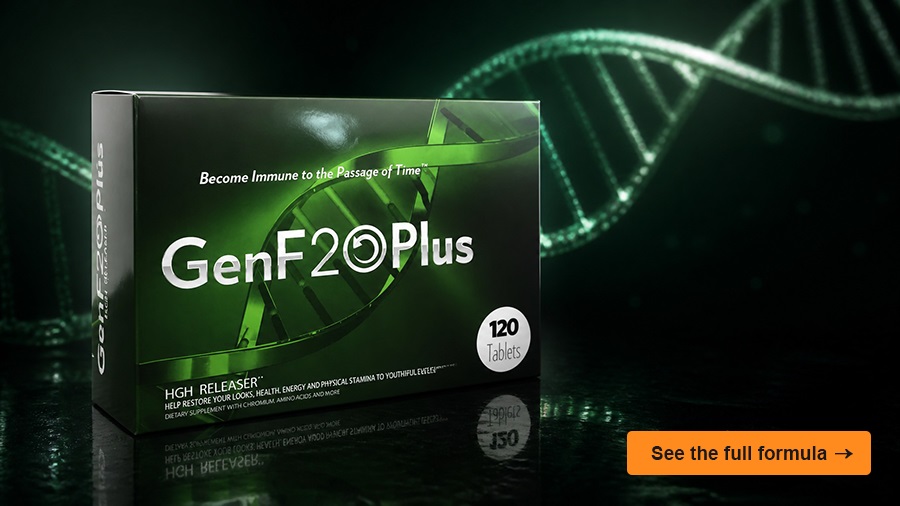
Every trial in this article involved pharmaceutical HGH given under research conditions. Prescription HGH is an injectable medicine that doctors prescribe for specific medical conditions. HGH releasers are a separate category: over-the-counter dietary supplements formulated with ingredients, such as amino acids and other nutrients, intended to support your pituitary gland’s own release of HGH. The two are different products and are studied separately. Like other dietary supplements, HGH releasers are not intended to diagnose, treat, cure, or prevent any medical condition.
Where HGH Releasers Fit Into a Healthy Routine
Men who take a releaser typically do so as one part of a routine that includes training, nutrition, and rest. If you are curious about trying one, it is sensible to check with your doctor first, particularly if you take medication or have an existing health condition.
Frequently Asked Questions About HGH and Weight Loss
Are HGH Releasers the Same as Prescription HGH?
No. Prescription HGH is an injectable medicine used for specific medical conditions. HGH releasers are over-the-counter dietary supplements formulated to support the body’s own natural growth hormone release.
Does HGH Cause Weight Loss?
Research on pharmaceutical HGH shows minimal to no overall weight loss, even when body composition shifts toward more lean mass and less fat.
Should I Talk to My Doctor Before Trying an HGH Releaser?
Checking with your doctor is a smart step, especially if you take medication or have a health condition. Your doctor can help you decide whether a supplement fits your situation.