
There’s a particular kind of frustration that comes with learning about something that could genuinely help you, only to discover it sits behind a wall of appointments, approvals, and four-figure monthly costs. That’s been the reality for many people who’ve read about GLP-1 receptor agonist drugs and their impressive effects on blood sugar, appetite, and weight, then looked up the price tag and felt the enthusiasm drain away. Berberine doesn’t clear every hurdle that pharmaceutical GLP-1 therapy does. But it walks through a door those drugs can’t: it’s available right now, without a prescription, at a price that doesn’t require a conversation with your insurance company.
That accessibility alone wouldn’t be worth writing about if berberine were just another supplement riding a trend. What makes it genuinely interesting is that the science connecting it to GLP-1 activity is real, documented, and growing. Understanding what berberine actually offers, and where its limits honestly lie, is the most useful thing anyone curious about it can do before spending a dollar.
The Prescription Landscape for GLP-1 Support
To appreciate what berberine brings to the table, it helps to understand what most people are up against when they try to access pharmaceutical GLP-1 therapy. Drugs like semaglutide (Ozempic, Wegovy) and tirzepatide (Mounjaro, Zepbound) are among the most effective metabolic medications ever developed. They’re also among the most inaccessible for a large segment of the population who might benefit from them.
Cost, Coverage, and Availability
Without insurance, a monthly supply of semaglutide can cost well over a thousand dollars in the United States. Insurance coverage is inconsistent and often requires documented diagnosis criteria that many people with metabolic concerns don’t meet on paper, even if they’re struggling meaningfully with blood sugar, weight, or energy. Supply shortages have intermittently affected availability. Compounded versions have emerged to fill gaps but bring their own quality and regulatory uncertainties. The practical result is that pharmaceutical GLP-1 therapy, for all its clinical promise, remains out of reach for an enormous number of people who are genuinely interested in it.
The Gap Berberine Fills
Berberine doesn’t pretend to be an equal substitute for these medications. The honest framing is that it occupies a different but legitimate space: a well-researched, over-the-counter option that supports the body’s own GLP-1 production and activity through mechanisms that are increasingly well understood. For people who cannot access or afford prescription GLP-1 therapy, or who prefer to support their metabolic health through non-pharmaceutical means, that’s a meaningful distinction rather than a consolation prize.
How Berberine Supports GLP-1 Without a Prescription
Berberine’s relationship with GLP-1 isn’t a marketing invention. It’s grounded in documented biochemical mechanisms that researchers have been mapping for more than a decade. The compound works through several overlapping pathways, which is part of why its metabolic effects are broader than you’d expect from something you can order online and take with breakfast.
Stimulating the Body’s Own GLP-1 Release
The intestinal lining contains specialized cells called L-cells that release GLP-1 in response to food. Berberine has been shown to activate receptors on these cells, triggering GLP-1 secretion directly. This is a fundamentally different approach from pharmaceutical GLP-1 agonists, which bypass the body’s own production entirely and flood receptors with a synthetic, long-lasting mimic. Berberine’s approach is more like giving the body a nudge to do more of what it already does, rather than replacing the process altogether.
Slowing GLP-1 Breakdown
Even when the body secretes GLP-1, an enzyme called DPP-4 dismantles it within minutes. Berberine inhibits DPP-4 activity, extending the active lifespan of whatever GLP-1 the body produces. This dual action, more production and slower breakdown, creates a meaningful cumulative effect on circulating GLP-1 levels that shows up in clinical measurements of postprandial hormone concentrations.
Supporting the Microbiome That Feeds GLP-1 Production
One of berberine’s more surprising mechanisms involves the gut microbiome. Certain bacterial strains produce short-chain fatty acids that directly stimulate L-cells to release GLP-1. Berberine selectively shifts the gut microbiome toward these beneficial strains, creating an internal environment that is structurally better at supporting GLP-1 secretion over time. This is a slower-moving mechanism than direct L-cell stimulation, but it may be one of the reasons consistent, long-term berberine use tends to produce stronger and more sustained results than short-term supplementation.
What Berberine Can Realistically Deliver
Honest expectations are the foundation of any good supplement decision. Berberine has been studied in enough rigorous trials to give a reasonably clear picture of what most people can expect when they take it consistently at effective doses.
Improvements in fasting blood glucose and postprandial blood sugar are the most consistently reported outcomes, with effect sizes that have impressed researchers enough to warrant direct comparisons with metformin in several studies. Reductions in HbA1c, the three-month average blood sugar marker, have been documented across multiple randomized controlled trials. Lipid improvements, particularly reductions in total cholesterol, LDL, and triglycerides, appear with notable regularity alongside the blood sugar data. Appetite modulation, likely connected to GLP-1’s satiety signaling in the brain, is frequently reported anecdotally and has some clinical support, though the weight loss outcomes are modest compared to pharmaceutical GLP-1 therapy.
The Timeline That Matches the Evidence
One of the most common reasons people give up on berberine too soon is expecting pharmaceutical-speed results from a botanical compound. The direct GLP-1 stimulation effects begin working relatively quickly, but the microbiome-mediated benefits, and the cumulative improvements in insulin sensitivity that underpin much of what berberine does, take eight to twelve weeks to fully manifest. Committing to that timeline, and tracking relevant markers like fasting glucose or energy levels rather than waiting for dramatic visible changes, gives berberine a fair opportunity to demonstrate what the research suggests it can do.
Using Berberine Effectively: Practical Guidance
Getting meaningful results from berberine comes down to a few straightforward principles that the clinical literature points toward consistently. Dose, timing, and consistency are the three levers that matter most.
Dose and Timing
Most clinical research demonstrating meaningful GLP-1 and metabolic benefits uses doses between 1,000 and 1,500 mg per day, divided into two or three doses rather than taken all at once. Taking berberine with meals, or just before eating, aligns its activity with the postprandial window when GLP-1 secretion naturally peaks and blood sugar management is most active. This isn’t a minor detail; the timing genuinely influences how effectively the compound engages the mechanisms that matter.
People who experience digestive discomfort when starting berberine, which is not uncommon as the gut microbiome adjusts, often find that beginning with a lower dose of around 500 mg daily and stepping up gradually over two to three weeks smooths the transition considerably.
Pairing Berberine with Lifestyle for Better Results
Berberine works with biology, and biology responds to context. A diet that includes generous amounts of dietary fiber feeds the beneficial bacteria that berberine cultivates in the gut, amplifying its microbiome-mediated effects on GLP-1 production. Regular physical activity improves insulin sensitivity through its own AMPK-activating mechanisms, which run parallel to berberine’s. Neither of these things is required for berberine to produce benefits, but both meaningfully extend how far those benefits reach.
Frequently Asked Questions
Is Berberine Available Without a Prescription Everywhere?
In the United States, Canada, the United Kingdom, and most of Europe and Australia, berberine is sold as an over-the-counter dietary supplement and requires no prescription. Regulatory classifications vary by country, so it’s worth confirming local rules if you’re outside these regions, but berberine is widely accessible in most markets where supplement sales are established.
How Does Over-the-Counter Berberine Compare in Quality to Prescription Options?
Berberine itself is a well-defined compound, but supplement quality varies considerably between manufacturers. Factors like purity, bioavailability-enhancing formulations, and third-party testing for contaminants all affect how much active berberine you’re actually getting. Looking for products that specify berberine HCl (hydrochloride), include testing certificates, and are made by reputable manufacturers is the most reliable way to ensure consistent quality.
Can Berberine Be Used Alongside Prescription GLP-1 Medications?
Combining berberine with prescription GLP-1 drugs is something that should be discussed with a prescribing physician. In principle, the mechanisms don’t conflict, but GLP-1 medications already produce significant blood sugar and appetite effects, and adding berberine’s blood-sugar-lowering action could require monitoring or dosage adjustments. Self-combining without medical guidance isn’t advisable.
Does Berberine Require Cycling or Breaks in Use?
Some practitioners recommend periodic breaks from berberine use, typically a week or two off every two to three months, based on concerns about sustained AMPK activation and theoretical impacts on mitochondrial function. The clinical evidence on this is not definitive, and many studies have used continuous supplementation without documented problems. Discussing cycling protocols with a healthcare provider familiar with berberine is the most sensible approach for long-term users.
What Should Someone Look for When Choosing a Berberine Supplement?
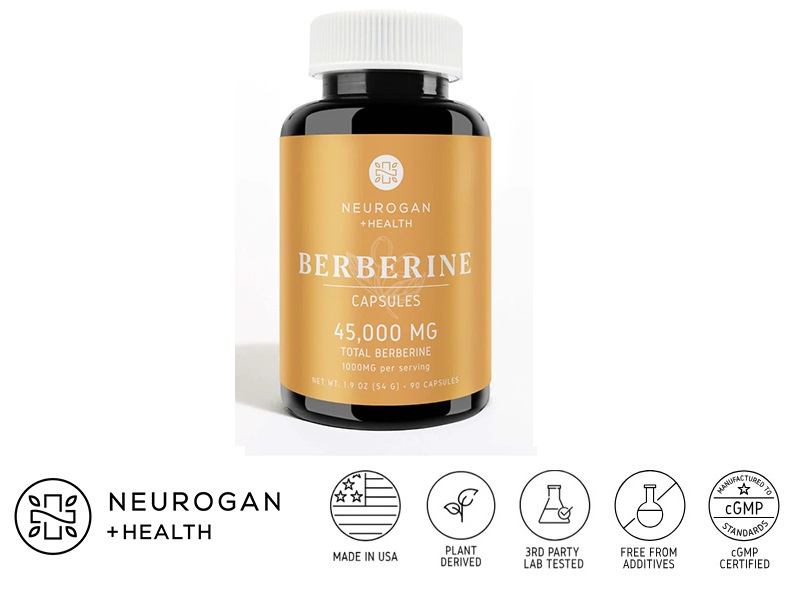
Berberine HCl is the most studied and commonly available form. A daily dose of 1,000 to 1,500 mg split across meals matches what clinical research supports. Third-party testing verification, transparent ingredient labeling, and the absence of unnecessary fillers are markers of a quality product. Some formulations include compounds like piperine to enhance absorption, which may improve bioavailability in a meaningful way.