
Labels have a way of doing too much work. “Nature’s Ozempic” is a phrase that traveled from a handful of health blogs to mainstream conversation in what felt like a matter of weeks, and along the way it picked up both devoted believers and equally devoted skeptics. The believers point to genuine research showing berberine influences GLP-1 production and metabolic health in meaningful ways. The skeptics point out that no plant extract is going to replicate the clinical results of a precision-engineered injectable drug. Both camps have a point. The trouble is that neither the hype nor the backlash gives you the information you actually need to make a good decision.
A balanced look requires sitting with some complexity. Berberine is neither a miracle nor a myth. It occupies a specific, well-defined position in the landscape of metabolic health tools, and understanding that position clearly is more useful than arguing about whether its nickname is deserved.
Where the “Nature’s Ozempic” Label Comes From
The comparison to Ozempic didn’t emerge from thin air. It was seeded by a real biochemical overlap: berberine and semaglutide both engage the GLP-1 pathway, though through fundamentally different mechanisms and with substantially different degrees of potency. When that overlap surfaced in wellness content at the same moment that GLP-1 drugs were dominating health news, the shorthand label was almost inevitable. Catchy comparisons spread faster than nuanced explanations of receptor pharmacology.
The Legitimate Science Behind the Nickname
To be fair to the label, the science it gestures toward is real. Multiple clinical trials have demonstrated that berberine increases postprandial GLP-1 secretion, inhibits the DPP-4 enzyme that breaks GLP-1 down, and shifts the gut microbiome toward bacterial strains that produce short-chain fatty acids capable of stimulating further GLP-1 release. These are not trivial findings. Berberine doesn’t just nudge GLP-1 activity at the margins; it engages the pathway through several complementary mechanisms simultaneously, which is more than most supplements can claim about any hormonal system.
Clinical research also shows berberine produces meaningful improvements in fasting blood glucose, HbA1c, triglycerides, and LDL cholesterol across multiple randomized controlled trials. A meta-analysis comparing berberine directly to metformin in diabetic populations found comparable glucose-lowering effects, which is a genuinely striking result for an over-the-counter botanical supplement. These findings gave the “nature’s Ozempic” narrative a scientific spine it might otherwise have lacked.
Where the Label Overshoots the Evidence
Here is where the honest accounting gets uncomfortable for berberine’s most enthusiastic advocates. Semaglutide, in clinical trials, produces average weight loss of around 15 percent of body weight over roughly 68 weeks. Berberine studies, in comparison, consistently show weight loss in the range of two to five pounds over similar timeframes, with some trials showing slightly more. That is not a rounding error. It is a fundamental difference in magnitude that the “nature’s Ozempic” framing tends to obscure.
Semaglutide works by flooding GLP-1 receptors with a molecule engineered to bind tightly and resist breakdown for days. The result is sustained, high-level receptor activation that produces appetite suppression and metabolic effects of a scale that no naturally occurring compound, working through indirect stimulation of the body’s own GLP-1 production, is currently demonstrated to match. Calling berberine “nature’s Ozempic” is a bit like calling a ceiling fan “nature’s air conditioning.” The analogy captures something true about shared purpose while quietly glossing over the difference in horsepower.
What a Balanced Assessment Actually Looks Like
A genuinely balanced view of berberine requires holding two things at once: it is meaningfully effective within its actual capabilities, and its actual capabilities are more modest than the most enthusiastic claims suggest. Neither of those statements cancels the other out.
What Berberine Does Well
Berberine’s strongest evidence base sits in blood sugar regulation and lipid management. For people in the prediabetic range, or those with metabolic syndrome looking for evidence-backed supplemental support, it offers something concrete. The GLP-1 stimulation it produces is real enough to influence postprandial glucose curves and, for many people, contributes to improved appetite regulation and satiety after meals. Its effects on the gut microbiome, shifting bacterial populations toward strains that produce butyrate and other beneficial short-chain fatty acids, add a layer of systemic metabolic support that goes beyond any single hormone pathway.
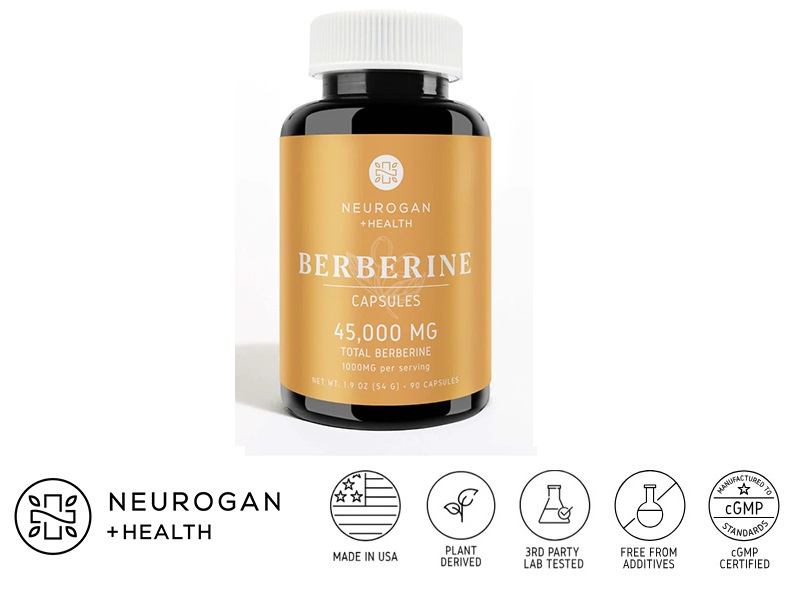
Berberine also has a safety profile refined over centuries of traditional use and confirmed in modern clinical settings. At doses of 1,000 to 1,500 mg daily, the most commonly reported side effects are gastrointestinal and typically transient. For a compound with measurable physiological effects, that’s a favorable tolerance picture. It is accessible without a prescription, affordable relative to pharmaceutical alternatives, and supported by a body of clinical research that is more substantial than the supplement category typically produces.
Where Realistic Expectations Matter
The people most likely to be disappointed by berberine are those who approached it expecting pharmaceutical outcomes from a botanical supplement. If the expectation is dramatic weight loss within weeks, or blood sugar correction equivalent to a prescription medication, berberine will underdeliver. That isn’t a failure of the compound; it’s a failure of expectation calibration.
The people most likely to find berberine genuinely useful are those who understand what they’re working with: a multi-mechanism metabolic support tool that takes eight to twelve weeks of consistent use to deliver its fuller effects, produces modest but real improvements in blood sugar stability and lipid profiles, and works best as a complement to, rather than a replacement for, thoughtful diet and lifestyle practices. That framing isn’t a consolation prize. For the right person with the right expectations, it describes something worth taking seriously.
A Label Worth Retiring, a Supplement Worth Considering
The “nature’s Ozempic” label served a purpose: it brought berberine to the attention of a vastly wider audience than it had ever reached, and it did so by connecting a relatively obscure supplement to a genuinely fascinating hormonal mechanism that millions of people had suddenly become curious about. That’s not nothing. But the label has probably outlived its usefulness for anyone trying to make an informed decision, because it sets up a comparison that berberine cannot win on pharmaceutical terms and doesn’t need to win on its own terms.
Berberine is a well-researched, accessible, multi-mechanism metabolic supplement with a legitimate relationship to GLP-1 biology and a genuine track record of clinical benefit. That description doesn’t fit on a TikTok caption. It also doesn’t need to. For the people for whom berberine is genuinely appropriate, the real story is compelling enough without the borrowed glamour of a prescription drug’s nickname.
Frequently Asked Questions
Is “Nature’s Ozempic” an Accurate Description of Berberine?
It captures a real biochemical relationship, berberine does support GLP-1 activity through several documented mechanisms, but it significantly overstates the similarity in terms of potency and clinical outcomes. Semaglutide produces weight loss of around 15 percent of body weight in trials; berberine produces far more modest effects. The nickname is a useful conversation starter but a poor guide to realistic expectations.
Can Berberine Produce Clinically Meaningful Results Even If It’s Weaker Than Ozempic?
Yes. Meaningful and equivalent are not the same thing. Berberine consistently produces significant improvements in fasting blood glucose, HbA1c, and lipid profiles in clinical trials, and its effects on GLP-1 secretion and gut microbiome composition are real and measurable. For people managing prediabetes, metabolic syndrome, or mildly elevated blood sugar, those are clinically relevant outcomes even if they don’t match pharmaceutical benchmarks.
How Long Does Berberine Need to Be Taken Before Judging Its Effectiveness?
A fair evaluation requires at least eight to twelve weeks of consistent use at an effective dose. The direct GLP-1 stimulation effects begin sooner, but the microbiome-mediated benefits and the cumulative improvements in insulin sensitivity that underpin much of berberine’s metabolic action take time to develop. Judging berberine after two or three weeks is like leaving a film at the halfway point and writing the review.
Should Someone Take Berberine Instead of Seeing a Doctor About Their Blood Sugar?
No. Berberine can be a useful complementary tool for people managing metabolic health, but it does not replace medical evaluation and oversight. Anyone with elevated blood sugar, diagnosed diabetes, or significant metabolic concerns should work with a healthcare provider. Berberine may be part of that conversation, but it shouldn’t be the reason to avoid having it.