Chia seeds and walnuts easily cover your ALA, the plant omega-3, but they provide no EPA or DHA, the omega-3s found in fish and algae. Your body converts only a small amount of ALA into those two, so most plant-based eaters pair these foods with algae omega-3. Here is how it all fits together.
What Chia Seeds and Walnuts Give You
These two are ALA stars. One ounce of chia seeds, about two tablespoons, provides roughly 5.1 grams of ALA, and one ounce of walnuts provides about 2.6 grams. For comparison, the NIH lists daily ALA targets of 1.6 grams for men, 1.1 grams for women, 1.4 grams for pregnant women, and 1.3 grams for breastfeeding women.
In other words, a spoonful of chia in your oatmeal or a handful of walnuts as a snack can cover your ALA with room to spare, and you get fiber, protein, and minerals along the way.
Where EPA and DHA Come In
ALA is a great nutrient on its own, but it is not the same as EPA and DHA. The NIH Office of Dietary Supplements says your body can convert some ALA into EPA and then DHA, but only in very small amounts. It concludes that getting EPA and DHA from foods or supplements is the practical way to raise their levels.

Chia and walnuts contain ALA only, so they are best thought of as your plant omega-3 foundation, while EPA and DHA come from algae or fish.
A Simple Plan With Chia, Walnuts, and Algae Omega-3
Here is an easy daily rhythm that covers all three omega-3s:
- Breakfast: Stir a tablespoon of chia seeds into oatmeal or make chia pudding.
- Snack: Enjoy a handful of walnuts, about one ounce.
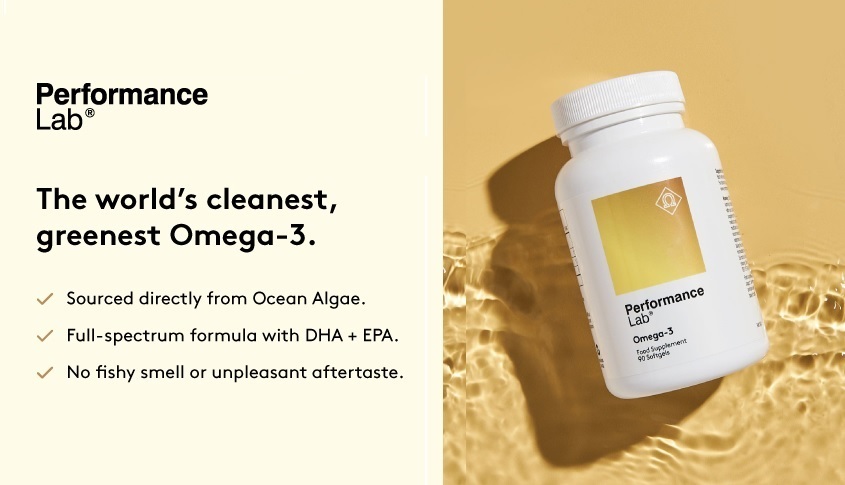
- With a meal: Take an algae omega-3 capsule that lists EPA and DHA.
- Dinner: Add ground flaxseed, hemp seeds, or canola oil for variety.
Why Add Algae Omega-3 to the Mix
Algae oil delivers EPA and DHA directly, with no conversion step needed. In a study of vegans, 254 milligrams of algal EPA plus DHA per day for four months produced an average omega-3 index of 3.7 percent, with individual results from 3.1 to 4.8 percent.
A commonly cited target is roughly 250 to 500 milligrams of EPA plus DHA per day. Check the Supplement Facts panel for the EPA and DHA amounts, and look for third-party testing and a plant-based capsule.
Easy Tips for Chia and Walnuts
Chia seeds absorb liquid and turn gel-like, which makes them perfect for puddings, smoothies, and overnight oats. Walnuts keep their flavor best when stored in a cool place, since their natural oils are delicate. Both are easy to sprinkle on salads, yogurt alternatives, and cereal. Ground chia works well in baking, and chopped walnuts add crunch to grain bowls, so keeping both in your pantry makes it simple to hit your ALA every day without extra effort.
Chia, Walnuts, and Algae: A Complete Omega-3 Team
You do not have to choose between whole foods and a supplement. Chia and walnuts handle ALA beautifully, and algae omega-3 handles EPA and DHA. Together they make a complete, plant-based omega-3 plan.
Chia, Walnuts, and Omega-3 Frequently Asked Questions
Can chia seeds and walnuts alone give me enough omega-3?
They give you plenty of ALA, but they contain no EPA or DHA. Because your body converts only a small amount of ALA into EPA and DHA, a direct source such as algae oil rounds out the picture.
How much ALA do I need each day?
The NIH lists 1.6 grams for men, 1.1 grams for women, 1.4 grams for pregnant women, and 1.3 grams for breastfeeding women. One ounce of chia seeds or walnuts covers these amounts.
Is ALA from chia and walnuts still worth eating?
Absolutely. ALA is an essential omega-3, and these foods also bring fiber, protein, and minerals. Think of them as a great foundation, with algae omega-3 as the EPA and DHA piece.