Algae omega-3 is a more ocean-friendly choice than fish oil in key ways, because it takes pressure off wild forage fish and does not depend on ocean conditions. Life cycle studies show real advantages in climate impact and use of biological resources, along with trade-offs worth knowing. Here is the balanced picture and how to shop for the greenest option.
Why Fish Oil Sourcing Gets So Much Attention
Most fish oil comes from small, oily forage fish, and one industry analysis estimated that almost 80 percent of omega-3 oil comes from anchovies caught off Peru and Chile. Reporting on forage fisheries notes that roughly nine of every ten tons caught are cooked and pressed into oil and fishmeal.
Well-managed fisheries can be sustainable, and industry representatives describe the Peruvian fishery as well managed. Still, anchovies are sensitive to El Niño. In 2023, Peru canceled the first of its two anchovy seasons, which tightened global supplies of EPA and DHA.
How Algae Omega-3 Takes Pressure Off the Ocean
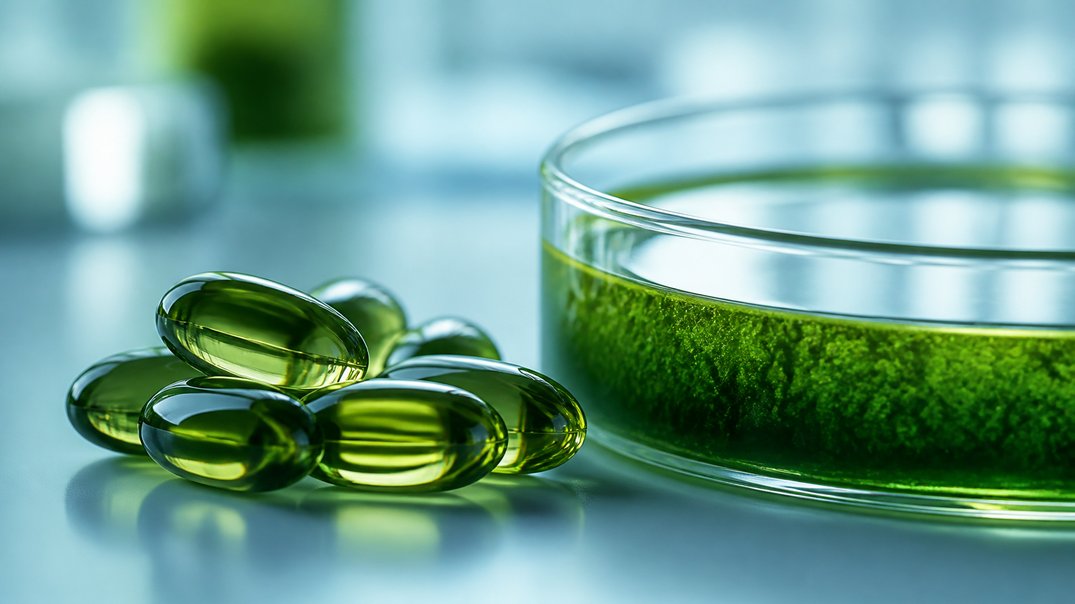
Algae omega-3 starts in closed tanks instead of the open sea. The microalgae are the original source of EPA and DHA, so no wild fish need to be caught, and production does not swing with ocean conditions or fishing seasons.
Studies back up the promise. A life cycle sustainability assessment from UC Santa Cruz found that Schizochytrium could be a more sustainable alternative to fish oil from wild-caught forage fish, with lower global warming impact and lower use of biotic resources. A Swedish life cycle assessment found that algae-based DHA, produced with food-waste feedstock, caused lower ecosystem damage than DHA from anchovy oil. Another comparative life cycle assessment concluded that EPA and DHA from microalgae grown by fermentation could substitute fish oil from an environmental perspective.

What Researchers Say Can Still Improve
The same studies point to areas where algae production can get even better. Schizochytrium is fed sugar, and the UC Santa Cruz team found that this drives higher freshwater use, land use, and nutrient runoff compared with fish oil. Another assessment found that sugarcane cultivation was the largest contributor to most impacts.
How to Shop for a Greener Algae Omega-3
You can nudge the market in the right direction with a few simple checks:
- Look for brands that publish life cycle or sustainability information.
- Ask where the sugar comes from and whether production uses renewable energy.
- Choose a concentrated product so you use fewer capsules per day of EPA and DHA.
- Buy the size you will actually finish, and store it well so nothing goes to waste.
A Gentler Footprint for Your Omega-3 Routine
The big picture is encouraging. Algae omega-3 gives you EPA and DHA without drawing on wild fish, and its environmental profile is improving as producers refine their methods. If sustainability matters to you, it is a strong choice that keeps getting better. Every capsule you choose this way is one more step toward an omega-3 supply that does not depend on a single fishery or a single ocean season.
Algae Omega-3 Sustainability Frequently Asked Questions
Is algae oil more sustainable than fish oil?
In key ways, yes. It requires no wild fish, and studies have found lower climate impact and lower use of biotic resources, though the sugar it is fed adds other impacts. Results vary by producer.
Is algae omega-3 harvested from the ocean?
Usually not. Most algae omega-3 comes from microorganisms grown in closed fermentation tanks, so no wild fish or ocean harvest is involved.
What makes the biggest difference in algae omega-3 sustainability?
Research points to the sugar used to feed the algae and the energy used in production. Brands that use renewable energy and responsibly sourced or waste-derived feedstocks tend to have the lowest impact.