Fish oil can cause reflux or fishy burps in some people, commonly because the oil lingers in the stomach and tastes stronger when it comes back up. Simple tweaks often fix it, and many people switch to algae oil for a gentler experience. Here is why it happens and what to try.
Why Fish Oil Can Cause Reflux and Burps
The NIH notes that side effects from omega-3 supplements are usually mild, and when they do show up, they tend to be digestive: heartburn, belching, nausea, or a fishy aftertaste. Fish oil is a concentrated fat, and a common explanation is that high-fat oil can sit in the stomach and bubble back up. Taking it on an empty stomach, using a stale or oxidized product, or taking a large dose can all make that more likely.
The good news is that the effect is often small. In an eight-week trial of 59 women, side effects were mostly transient, and similar numbers of people reported them on omega-3 and on placebo. The most common complaints were an unpleasant taste and heartburn or reflux.
Easy Fixes That Often Help
If your fish oil is giving you trouble, these tweaks are worth trying:

- Take it with a meal that includes some fat, instead of on an empty stomach.
- Split the dose between two meals, and start with a lower amount.
- Check freshness. Fresh oil tastes milder, so look at the expiration date and store capsules in a cool, dark place.
- Try freezing the capsules, or look for an enteric-coated product.
- Stay upright for a while after taking it, rather than lying down.
Does Algae Oil Help With Reflux?
Here is the honest picture: studies have not directly compared reflux from algae oil and fish oil, so no one can promise a specific result. But algae oil has real advantages for sensitive stomachs. It contains no fish, so the fishy part of a burp has nothing to come from, and many people find it milder and easier to take.
Algae oil is still an oil, so the same habits apply. A registered omega-3 trial that includes algal oil notes that mild digestive effects are possible with any omega-3 product, and that people who experience reflux can take their capsules separately with each meal.
How to Try Algae Omega-3 Comfortably
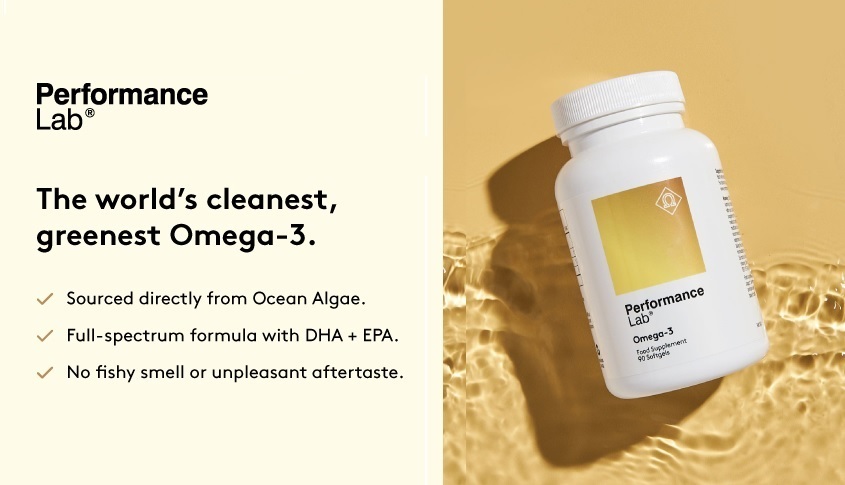
Start with one capsule with breakfast or lunch, and keep the routine for several days before you judge. If you need a larger amount, split it between meals. A concentrated product that provides more EPA and DHA per capsule means fewer capsules overall, which can make the routine feel lighter.
Pick a fresh product with natural antioxidants, a clear expiration date, and third-party testing. Those details help the oil stay mild from the first capsule to the last.
A Gentler Path to EPA and DHA
You do not have to give up omega-3s because fish oil does not agree with you. A few small habits can calm things down, and algae oil gives you EPA and DHA with no fish in the picture. Try it with a meal, give it a couple of weeks, and see how you feel.
Fish Oil Reflux and Algae Oil Frequently Asked Questions
Why does fish oil make me burp?
Fish oil is a concentrated fat that can linger in the stomach and taste fishy when it rises back up. Taking it with a meal, splitting the dose, and choosing a fresh product often help.
Does algae oil cause fishy burps?
Algae oil contains no fish, so it lacks the fishy taste. Any oil can cause occasional burping, so take it with a meal and start with a modest dose.
What is the best way to take omega-3 to avoid reflux?
Take it with a meal that includes some fat, split larger doses between meals, choose a fresh and well-protected product, and stay upright afterward.