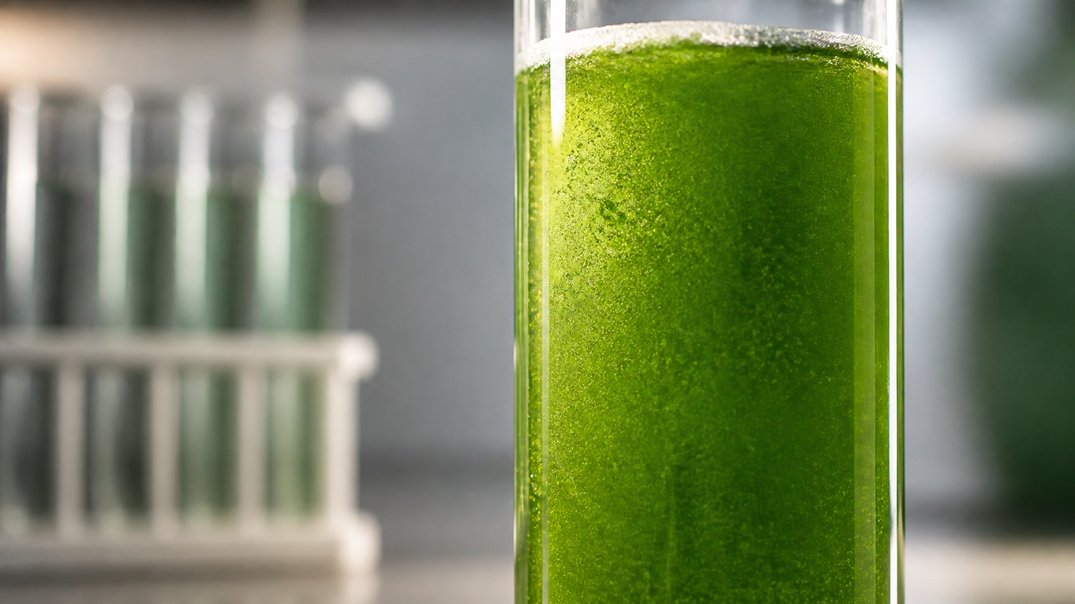
Do vegans need a DHA and EPA supplement? Research suggests most long-term vegans have low levels of these omega-3s, and algae-based supplements raise them reliably, which makes a supplement the simplest way to cover the gap. Here is what the studies show and how to put it into practice.
What Studies Show About Vegan Omega-3 Levels
Several studies have found that vegetarians and vegans have much lower blood levels of DHA and EPA than people who eat fish. That is not surprising, since fish and seafood are the main dietary sources of these two omega-3s.
A study of 165 vegans measured the omega-3 index, which reflects EPA plus DHA in red blood cells. The average was 3.7 percent, similar to a group of omnivores who also eat very little EPA and DHA. The authors concluded that most long-term vegans appear relatively low in these fats, though researchers are still working out what that means for long-term health.
How Vegans Respond to Algae Omega-3
The encouraging part is how well vegans respond. In that same study, 46 vegans with low starting levels took 254 milligrams of algal EPA plus DHA per day for four months, and their average index climbed from 3.1 to 4.8 percent.

Other trials back this up. A randomized crossover trial found that 250 milligrams of algal DHA per day raised serum DHA in omnivores, lacto-ovo vegetarians, and vegans alike, with the biggest increase in vegans. A systematic review of four randomized trials and two cohort studies reported that algal DHA significantly improved DHA concentrations and omega-3 indices in vegetarian populations.
What About ALA From Plant Foods?
ALA from flax, chia, and walnuts is worth keeping in your diet. It just does not do the whole job. The NIH Office of Dietary Supplements says your body converts ALA into EPA and DHA only in very small amounts, so plant foods alone leave a gap in the long-chain omega-3s.
Who Benefits Most From a DHA and EPA Supplement
A supplement is a smart fit for several groups:
- Long-term vegans and non-fish-eating vegetarians with no direct source of EPA and DHA
- Expecting and breastfeeding mothers, for whom a DHA intake of around 200 milligrams a day is commonly suggested
- Older adults and athletes who want a simple daily habit
- Anyone whose omega-3 index test comes back lower than expected
How to Start a Vegan DHA and EPA Routine
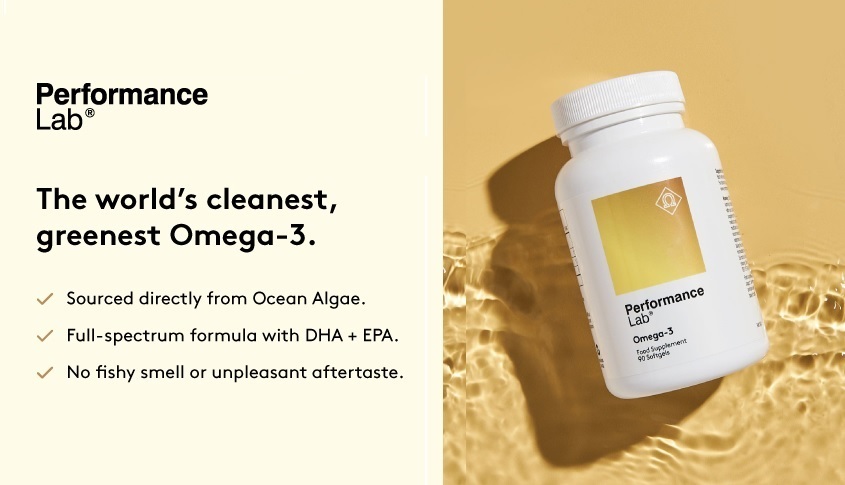
Choose an algae-based product that lists EPA and DHA separately in milligrams, with third-party testing and a plant-based capsule. A commonly cited target is roughly 250 to 500 milligrams of EPA plus DHA per day, though the NIH says official amounts have not been established. Taking it with a meal that includes some fat may help absorption.
If you are pregnant, nursing, or take blood thinners, check with your doctor first. After a few months, an omega-3 index test can show how your routine is working.
Your Plant-Based Omega-3 Answer
No rule says vegans must take a supplement, but the research makes the case clearly. Plant foods supply little direct EPA and DHA, vegans tend to run lower, and algae oil raises levels reliably. For most vegans, one capsule a day is the easiest path to a complete omega-3 routine.
Vegan DHA and EPA Supplement Frequently Asked Questions
Do vegans have to take a DHA and EPA supplement?
No rule requires it, and the NIH says official amounts for EPA and DHA have not been established. Because plant foods supply very little direct EPA and DHA, a supplement is the most reliable way to get them.
What omega-3 index do vegans typically have?
In a study of 165 vegans, the average omega-3 index was 3.7 percent, similar to omnivores who eat very little EPA and DHA.
How quickly can vegans raise their omega-3 levels?
Results vary, but studies are encouraging. In one, 254 milligrams of algal EPA plus DHA daily raised the average index from 3.1 to 4.8 percent over four months.