Algae-based DHA for breastfeeding mothers is an easy way to keep the DHA in your milk up, because breast milk DHA reflects what you eat and take. Commonly cited recommendations start at about 200 milligrams of DHA a day, and algae oil provides it with no fish. Here is how to make it simple.
Why DHA Matters for Breastfeeding Mothers
DHA and EPA are normal components of breast milk, and according to LactMed, the National Library of Medicine’s drugs and lactation database, their concentrations reflect maternal intake. A systematic review of 88 studies reached the same conclusion, finding strong evidence that breast milk DHA and EPA respond to what mothers consume.
That is great news, because it puts the power in your hands. A small daily habit can shape the DHA your baby receives.
What Research Shows for Vegan and Vegetarian Moms
Plant-based diets contain very little direct DHA, and the research reflects it. A 2023 study found lower DHA in the milk of vegetarian and vegan mothers than in the milk of omnivore donors, and the researchers suggested that awareness and proper supplementation could bridge the gap.
The systematic review supports the same idea, backing DHA supplementation for mothers on restrictive diets. Algae oil is the natural fit, since it is the plant-based source of DHA and EPA that fish themselves rely on.

How Much DHA to Aim For While Breastfeeding
Guidance varies a little. Parenting-health sources commonly cite at least 200 milligrams of DHA per day for pregnant and lactating women, and LactMed notes a dietary recommendation of 250 to 375 milligrams of DHA plus EPA daily for nursing mothers. LactMed also reports that an international panel of experts concluded that DHA supplementation during breastfeeding is desirable.
Supplements deliver. In a 10 to 12 week controlled feeding study, a daily 200-milligram dose of microalgal DHA increased breast milk DHA. LactMed also notes that algal oil is high in DHA and low in EPA, which makes it a DHA-focused choice.
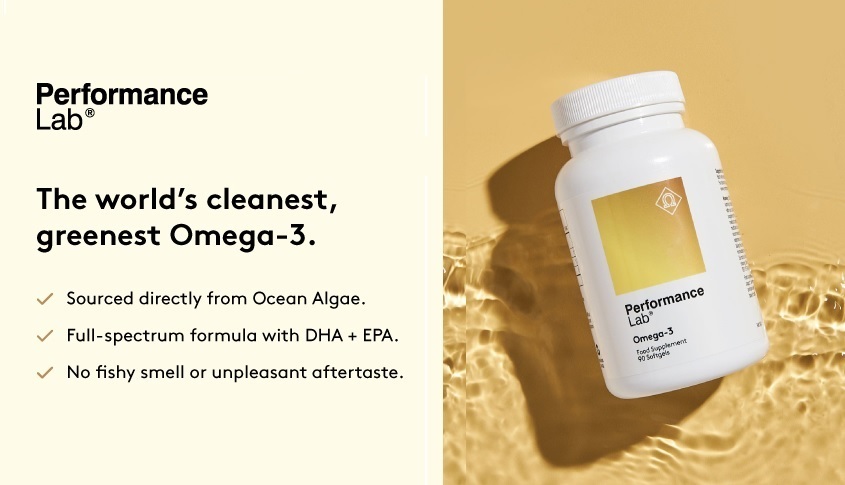
Choosing an Algae DHA While Breastfeeding
A few quick label checks make shopping simple:
- Check the DHA amount per serving on the Supplement Facts panel.
- Count the DHA already in your prenatal or postnatal vitamin so you do not double up.
- Look for third-party testing for purity and potency.
- Choose a plant-based capsule shell if you want a fully vegan product.
Then show the bottle to your provider. Supplement makers are not required to test ingredients in breastfeeding women, so your provider is the best person to confirm the product and amount that fit you.
Make Algae DHA Part of Your Routine
With a newborn, simple wins. Keep the bottle where you eat breakfast, take your capsule with a meal that includes a little fat, and let it become one more automatic part of your morning. If you are already taking a postnatal vitamin, a quick look at its label shows how much DHA it contains, and an algae DHA capsule can fill in the rest. Many mothers find that pairing the capsule with a daily habit, such as the first feeding of the morning, makes it easy to remember.
Algae DHA While Breastfeeding Frequently Asked Questions
Does the DHA in breast milk reflect my diet?
Yes. According to LactMed, DHA and EPA concentrations in breast milk reflect maternal intake, which is why a direct DHA source can make a difference for mothers who eat no fish.
How much DHA should I take while breastfeeding?
Commonly cited recommendations start at about 200 milligrams of DHA per day, and LactMed notes 250 to 375 milligrams of DHA plus EPA daily. Your provider can help you choose the amount.
Is algae oil a good DHA source while breastfeeding?
Algal oil is high in DHA and low in EPA, according to LactMed, which makes it a DHA-focused, fish-free option. Check the label and confirm the product with your provider.