Algae omega-3 for vegans fills the gap that flaxseed leaves, because flax supplies ALA while algae oil supplies DHA and EPA directly. Flax is still a great food to keep, but your body converts ALA into DHA only in small amounts. Here is how to pair the two for a complete plant-based omega-3 plan.
What Flaxseed Does Well
Flaxseed deserves its reputation. Flaxseeds and flaxseed oil are among the richest plant sources of ALA, which makes up more than half of their total fatty acids. A tablespoon of ground flaxseed provides roughly 1.5 grams of ALA, and you get fiber along the way.
ALA does more than sit there. Your body can turn some of it into EPA: in one randomized trial of 56 participants, those who took 3 grams of ALA daily from flaxseed oil saw their plasma EPA rise by 60 percent over 12 weeks. That is a real, measurable win for a pantry staple.
Where Flaxseed Falls Short for DHA
The catch is DHA. The NIH Office of Dietary Supplements says your body converts ALA into EPA and DHA only in very small amounts, and researchers have estimated roughly 8 to 20 percent conversion to EPA but only about 0.5 to 9 percent to DHA.
In that same flaxseed oil trial, plasma DHA did not change, and another study found no rise in red blood cell DHA from flax oil. That matters because DHA is the omega-3 found in especially high levels in the retina and brain.

In short, eating more flax is a good start, and it leaves a gap in DHA that a direct source can fill.
How Algae Omega-3 Closes the Gap
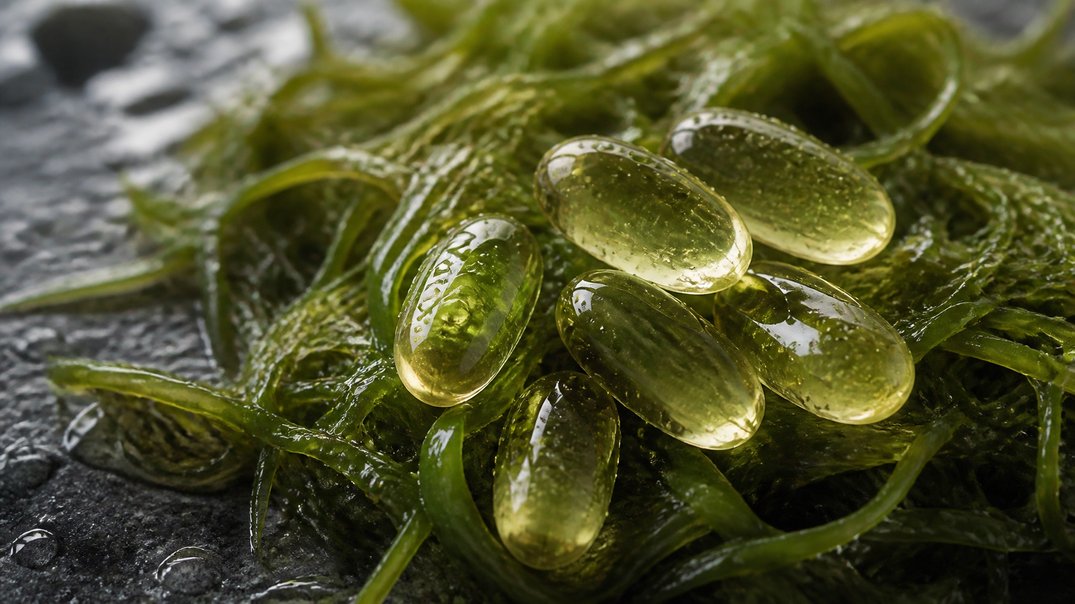
Algae are where fish get their EPA and DHA in the first place, so algae oil delivers them directly, with no conversion step. That is why it pairs so well with a flax-rich diet.
The results can be striking. A study of 165 vegans found an average omega-3 index of 3.7 percent. When 46 vegans with low starting levels took just 254 milligrams of algal EPA plus DHA daily, their average index rose from 3.1 to 4.8 percent in four months. The researchers noted that vegans responded robustly to a relatively low dose.
A Simple Flax Plus Algae Routine
Here is an easy way to combine the two:
- Morning: Stir a tablespoon of ground flaxseed into oatmeal or a smoothie.
- Snack: Add walnuts, chia, or hemp seeds for extra ALA and variety.
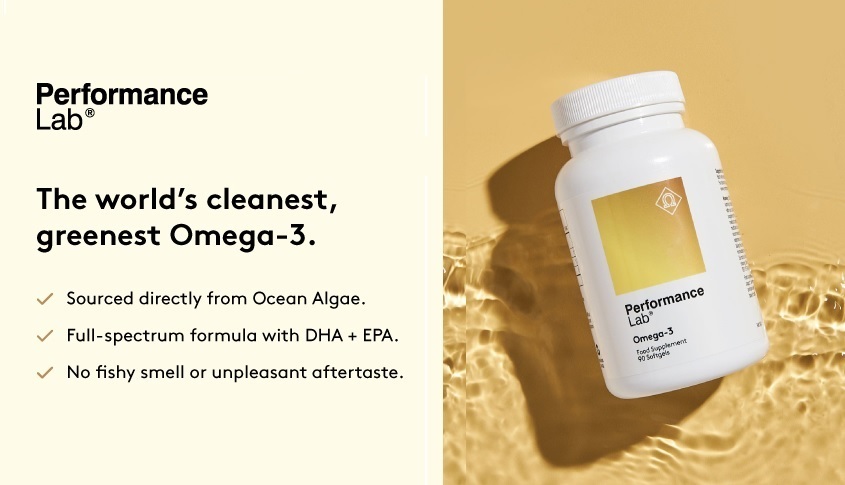
- With a meal: Take an algae omega-3 capsule that lists both EPA and DHA.
- At the store: Look for third-party testing and a plant-based capsule shell.
Grinding your flaxseed matters, since whole seeds often pass through your digestive system intact.
How Much Algae Omega-3 Do Vegans Need?
A commonly cited target is roughly 250 to 500 milligrams of EPA plus DHA per day, though the NIH says official amounts have not been established. The 254-milligram dose in the vegan study shows that a modest amount can move the needle. If you are pregnant, nursing, or take blood thinners, check with your doctor first.
Make Flax and Algae a Team
Keep the flax for ALA, fiber, and flavor, and add algae oil for the EPA and DHA that flax cannot supply. It is a small addition to your day, and it makes your plant-based omega-3 plan complete.
Flaxseed and Algae Omega-3 Frequently Asked Questions
Can flaxseed alone give vegans enough DHA?
Unlikely. The NIH says your body converts ALA into DHA only in very small amounts, and studies of flax oil have not shown a rise in DHA levels. A direct source such as algae oil closes that gap.
Should I stop eating flaxseed if I take algae omega-3?
No. Flaxseed still provides ALA, fiber, and variety. Think of flax and algae oil as teammates that cover different omega-3s.
Do I need to grind flaxseed?
Grinding helps. Whole flaxseeds often pass through your digestive system intact, so ground flaxseed makes the oil inside easier to use.