Algae oil is vegan by nature, but whether a specific supplement is vegan-certified depends on the brand, so check the label for a certification mark and a plant-based capsule. A vegan seal means a third party reviewed the ingredients and manufacturing. Here is how to check in about two minutes.
Why Algae Oil Is Naturally Vegan
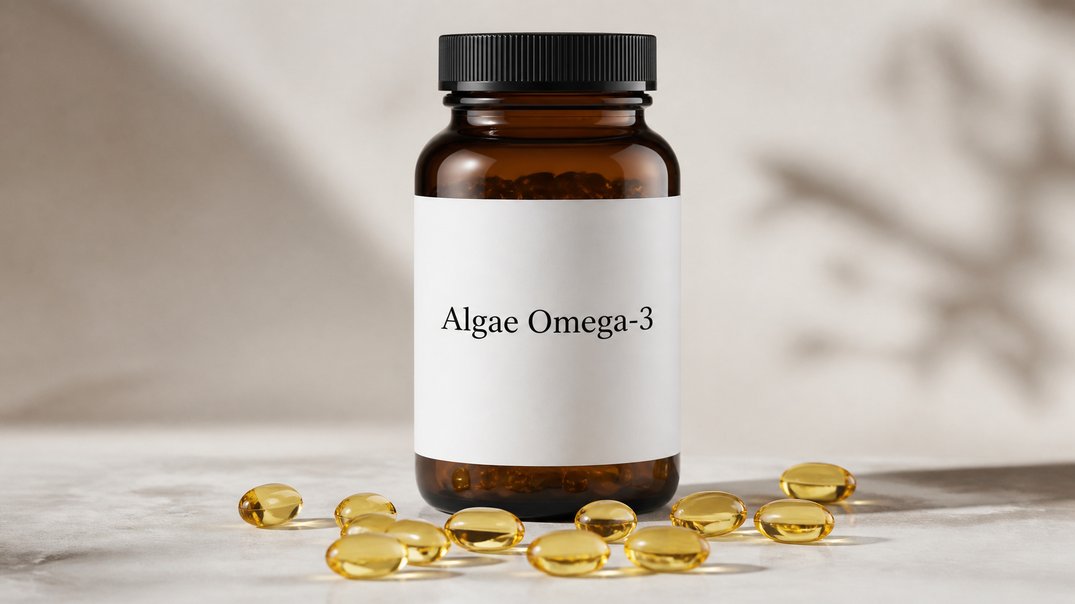
Algae oil comes from microalgae grown in tanks on sugar-based nutrients, which means the oil itself contains no fish or animal ingredients. That means you are starting from a great place.
What decides whether the finished product is vegan is everything around the oil: the capsule shell, the antioxidants, and any other added ingredients. That is where a quick label check pays off.
What Vegan Certification Means
Third-party certification adds a layer of trust. The Vegan Society introduced the first Vegan Trademark in 1990, and certification is granted for a fixed term of 12 or 24 months, then renewed. Other recognized programs include Vegan Action, whose logo reads Certified Vegan, and BeVeg.
These programs ask companies to submit ingredient lists and manufacturing processes, and some include facility audits. In other words, a certification mark says someone besides the brand has looked under the hood.
How to Check an Algae Oil Label Step by Step
Run through this short checklist:
- Look for a certification mark, such as the Vegan Society sunflower, Certified Vegan, or BeVeg.
- Read the capsule ingredients. Many softgels use animal-derived gelatin, and glycerin can sometimes be animal-derived. Plant-based capsules are commonly made from ingredients such as HPMC, pullulan, or modified starch.
- Scan the Other Ingredients list for anything unfamiliar, and check the Contains statement for fish or shellfish.
- Contact the brand if anything is unclear. Companies with nothing to hide answer quickly.
Certified Vegan vs. Labeled Vegan
A product can say “vegan” on the front without outside verification, while a certified product has passed a third-party review. A non-certified algae oil can still be vegan, since some excellent brands skip certification, so the ingredient list is your backup.
Certification can also cover extras that matter to many vegans. For example, the Vegan Society trademark indicates that ingredients were not tested on animals, which goes a step beyond the ingredient list.
Other Labels Worth a Look
Vegan status is one piece of a good label. Pair it with a clear EPA and DHA amount in milligrams, third-party testing for purity and potency, and a clear allergen statement. Together, those details tell you that a brand pays attention to the whole product, not just the marketing. You can also check the brand’s website for a certificate or a statement about how the capsule is made, and a company that is proud of its standards tends to make that information easy to find. If you take other supplements, it is worth giving them the same quick look, since the same capsule questions apply to many vitamins and oils.
Your Two-Minute Vegan Label Check
Find the certification mark, check the capsule, scan the ingredients, and look at the EPA and DHA numbers. If everything lines up, you have a supplement that fits a vegan lifestyle and delivers the omega-3s you came for.
Vegan Algae Oil Frequently Asked Questions
Is algae oil always vegan?
The oil itself is, because it comes from microalgae grown in tanks. The finished supplement depends on the capsule and other ingredients, so check that the shell is plant-based rather than gelatin.
What does a vegan certification mark mean?
It means an independent organization reviewed the product’s ingredients and manufacturing against its vegan standards. Programs include the Vegan Society trademark, Certified Vegan, and BeVeg.
Can an algae oil be vegan without certification?
Yes. Certification is optional, and some vegan products are not certified. In that case, read the ingredient list, confirm a plant-based capsule, and contact the brand if you have questions.